
What’s Happening with Pangasius Small Size Shortage Right Now
Before we get into the “why,” let’s look at the “what.” The situation on the ground in the Mekong Delta has shifted quickly over the past month, and the numbers tell a clear story.
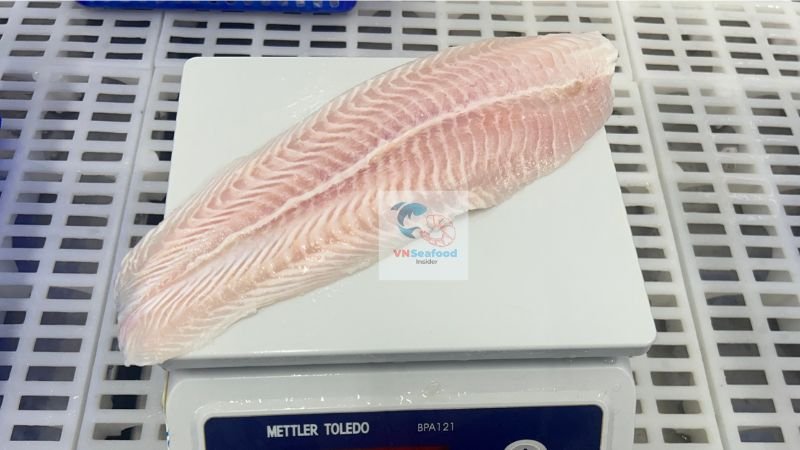
Factories Halting Orders for 3/5oz (120-170g) Fillets
This is the headline. Small-size raw fish are simply not available in the volumes processors need. As a result, many Vietnamese factories have stopped accepting new orders for the 3/5oz size grade, which corresponds to roughly 120-170 gram fillets.
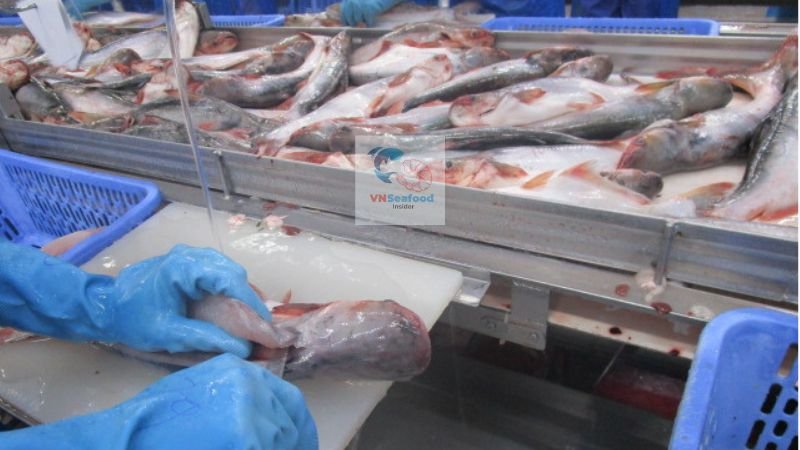
That’s not a small corner of the market. The 3/5oz grade is a workhorse size for foodservice, retail packs, and value-added lines across US and Europe. When factories close the door on it, buyers feel it immediately.
If your supplier has gone quiet on small sizes, this is why. It’s not a negotiation tactic. The fish genuinely aren’t in the ponds.
Raw Material Price Trend: 3 Consecutive Weeks of Increases
Raw pangasius material prices have climbed for three weeks straight. Current levels sit at VND 30,000-32,000 per kilogram, up about 3% from the previous week.
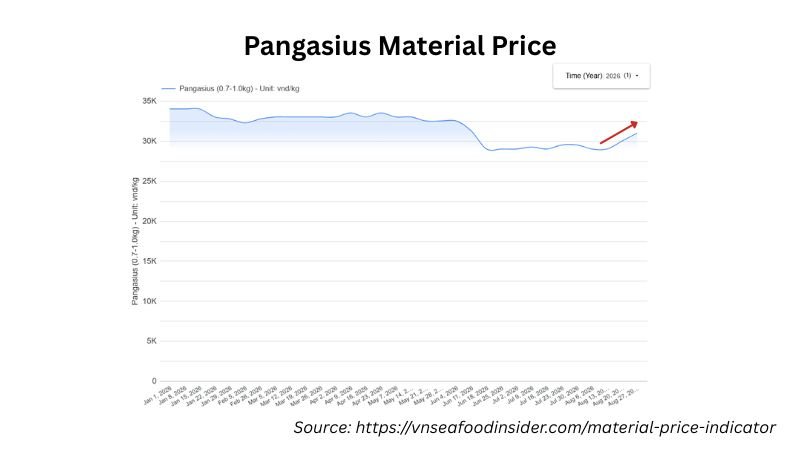
Three consecutive weekly increases is a pattern, not noise. Farmers know it. Processors know it. And anyone holding a fixed-price contract signed two months ago is quietly sweating.
The pangasius raw material price increase reflects real scarcity at the small end of the size curve, not speculative buying. When the smaller fish disappear, processors bid up whatever they can get, and that pressure ripples through the whole grade structure.
Why the Pangasius Small Size Shortage Is Happening
A shortage rarely has one cause. This one is a combination of stocking decisions made months ago and market signals that are only now catching up. Here’s what’s driving it.
Rising Fingerling Prices Signal Tighter Supply Ahead
Pangasius fingerling prices have risen for several consecutive weeks and now sit at VND 39,000-45,000 per kilogram. That’s a meaningful jump.
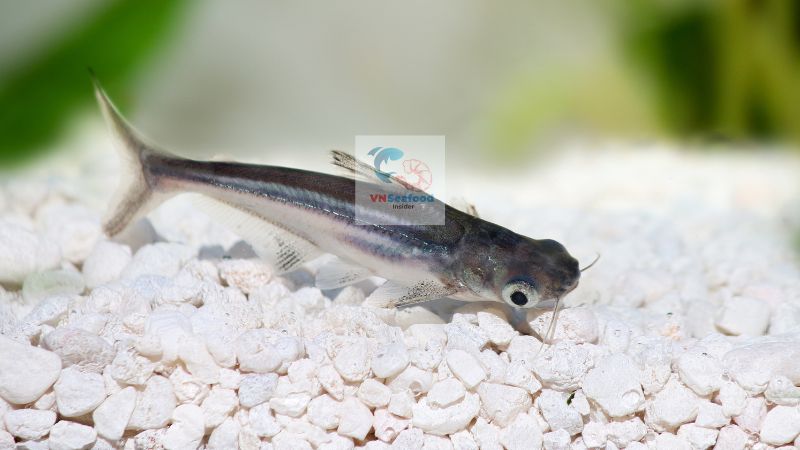
Fingerling prices are the best early-warning system we have in this industry. When juveniles get expensive, it tells you two things at once: demand for restocking is strong, and hatchery output isn’t keeping pace.
Here’s the catch. Even if farmers restock aggressively today, pangasius needs seven to eight months to reach harvest weight. High fingerling prices are a promise of future supply, not a fix for the current gap. The Pangasius Small Size Shortage we’re seeing now was baked in months ago.
Farming Cycle Timing and Size Distribution Pressure
Pangasius farming is a game of timing. Farmers choose when to harvest based on price signals, feed costs, and cash flow needs.
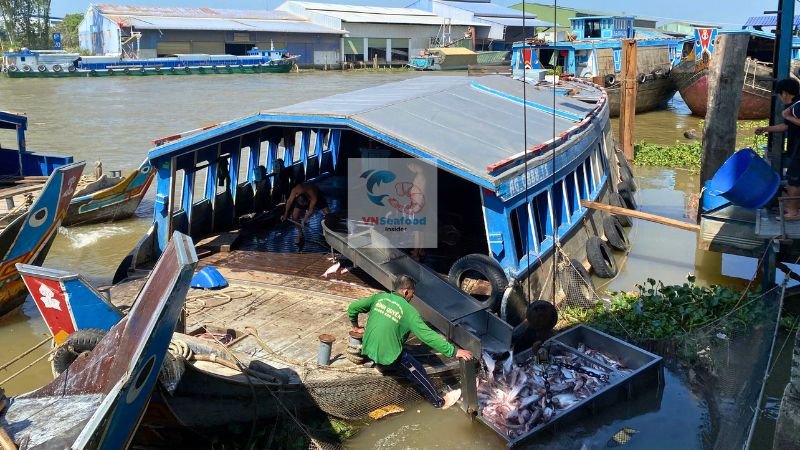
When raw material prices rise, there’s a strong temptation to hold fish longer and let them grow into heavier grades that fetch a higher absolute price per fish. That’s rational for the farmer. It’s painful for the buyer who needs small sizes.
The result is a squeezed size distribution. More fish in the 5/7oz and larger brackets, fewer in the 3/5oz range. Add in earlier harvests that already cleared the small grades from ponds, and you get the gap we’re living with today.
Market Context: Vietnam Pangasius Export Performance in 2026
The shortage isn’t happening in a vacuum. Vietnam pangasius exports are performing well, and that strength is part of the pressure story.
Export Growth Despite Size Constraints
Over the first seven months of 2026, Vietnam’s pangasius exports reached USD 1.3 billion, up 10% year-on-year. That’s solid growth in a year where sourcing has been anything but easy.
Strong export momentum means processors are competing hard for raw fish. Every container shipped is a claim on limited pond inventory. Growth and scarcity are two sides of the same coin here.
Diverging Demand: China Growth vs. US Decline
The interesting part is where that growth is coming from. The two biggest markets are moving in opposite directions.
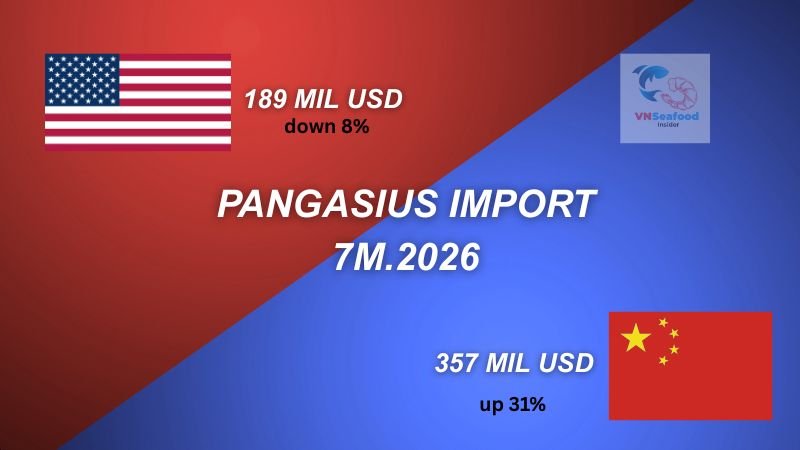
Pangasius exports to China hit USD 357 mil in the first seven months, up a striking 31%. Chinese buyers have been aggressive, and they’re absorbing significant volume.
Pangasius exports to the US, meanwhile, reached USD 189 mil, down 8% year-on-year. That’s a notable pullback from a market that once set the tone for the entire industry.
See more: US Pangasius Import Trends: Why Volumes Are Slipping in 2026
For buyers, this divergence matters. Chinese demand is soaking up supply that might otherwise be available, and Chinese buyers often have different size preferences that shift the competitive landscape for specific grades.
How US Market Dynamics Are Adding Pressure
The US story deserves its own section, because trade policy is doing real work here. The latest antidumping review results have reshuffled which exporters can compete profitably in the American market.
POR21 Antidumping Review Outcome Overview
The final results for the POR21 antidumping duty review came in, and they weren’t the good news many exporters hoped for. Several companies that carried zero rates in POR20 now face positive duties.
Bien Dong – 1.0 usd/kg
NTSF – 0.38 usd/kg
CASEAMEX and Nam Viet – 0.84 usd/kg
If you buy from any of these suppliers, your landed cost math just changed. Worth a conversation before your next order.
See more: Top 20 Biggest Seafood Companies in Vietnam
What Steady Country-Wide Duty Rates Mean for Buyers
The DOC left the Vietnam-wide rate unchanged at USD 2.39 per kilogram. That figure remains prohibitive for any exporter without a company-specific rate.
For US importers, this narrows the pool of viable suppliers considerably. Fewer eligible exporters chasing scarce small-size fish is a recipe for tight allocation and firmer pricing. The Pangasius Small Size Shortage hits the US market with an extra layer of complexity.
Wider Whitefish Market Adds Context to the Shortage
Zoom out and the picture gets clearer. Pangasius isn’t the only whitefish under strain, and that global tightness is quietly supporting demand for every kilogram Vietnam can produce.
Atlantic Cod Prices Hit Record Highs Amid Limited Supply
Limited cod supply has pushed prices to levels nobody expected. Norwegian Atlantic cod has traded above USD 10,000 per tonne, a record high, and trading volumes have stayed thin.
Frozen cod and fillet products are feeling the same upward pressure as raw material costs climb. Buyers who normally lean on cod are looking elsewhere, and pangasius is an obvious alternative.
Alaska Pollock Prices Reach 20-Year High
Alaska pollock raw material prices have surged to a 20-year peak. The drivers are familiar: scarce large-size fish, weak summer harvests, and declining processing yields.
Bering Sea pollock offer prices have climbed to USD 2,530 per tonne, a record. Sea of Okhotsk material sits at USD 2,330 per tonne ex-warehouse.
When cod and pollock both hit historic highs, substitution demand flows straight to pangasius. That’s more buyers competing for the same limited small-size supply.
What This Means for Importers and Distributors
Enough diagnosis. Let’s talk about what you can actually do about it.
Sourcing Strategies During Size Shortages
Consider adjacent sizes. If your spec allows, 4/6oz or 5/7oz may be available when 3/5oz isn’t. A small recipe adjustment beats an empty warehouse.
Book earlier and longer. Spot buying works fine in loose markets. This isn’t one. Forward contracts with committed volume give you standing when allocation gets tight.
Diversify your supplier base. Relying on one factory during a shortage is a gamble. Spread your exposure, especially if your current supplier is affected by the POR21 outcome.
Build price movement into your contracts. With raw material up three weeks running, fixed pricing over long horizons is a risk both sides need to acknowledge.
Questions to Ask Suppliers Before Placing Orders
- What size grades are you currently accepting orders for?
- What’s your realistic lead time for 3/5oz, and how firm is it?
- What raw material price are you basing this quote on?
- What’s your current antidumping rate for US shipments?
- If small sizes stay unavailable, what alternative grades can you offer?
Ask these upfront. It saves everyone an awkward conversation later.
Read more: Pangasius Quality Control – How to Avoid Quality Issues When Importing
Frequently Asked Questions About Pangasius Small Size Shortage
How long will the Pangasius Small Size Shortage last? Pangasius needs roughly seven to eight months from fingerling to harvest. Given current high fingerling prices and active restocking, meaningful relief on small sizes is more likely a two-quarter story than a two-month one.
Why are factories refusing 3/5oz orders specifically? Small-size fish are scarce in ponds, and farmers holding stock for larger grades makes it worse. Processors would rather decline orders than accept commitments they can’t fill.
Are pangasius prices going to keep rising? Three straight weeks of increases plus record cod and pollock prices point to continued firmness. Nobody has a crystal ball, but the fundamentals lean upward.
Should US buyers be worried about POR21? If your supplier moved from zero to a positive rate, yes, recalculate your costs. If you buy from an excluded or rescinded-review supplier, your position is largely unchanged.
Is pangasius still competitive against cod and pollock? Absolutely. With Atlantic cod above USD 10,000 per tonne and Alaska pollock at 20-year highs, pangasius remains the value option, shortage and all.
VNSeafoodInsider tracks Vietnamese seafood markets weekly. Follow along for pricing updates, vietnam pangasius import guide, trade policy developments, and sourcing intelligence you can actually use.
