
What Triggered the 2026 Middle East Seafood Shipping Disruption?
Before we talk about solutions, you need to understand the scale of what went wrong. This wasn’t a minor hiccup. This was a full-blown maritime crisis in the Middle East that rewrote shipping economics overnight.
Operation Epic Fury and the Strait of Hormuz Crisis
On February 28, 2026, the US and Israel launched coordinated military strikes on Iran under the banner of Operation Epic Fury. Within hours, one of the world’s most critical maritime chokepoints — the Strait of Hormuz — became a no-go zone.
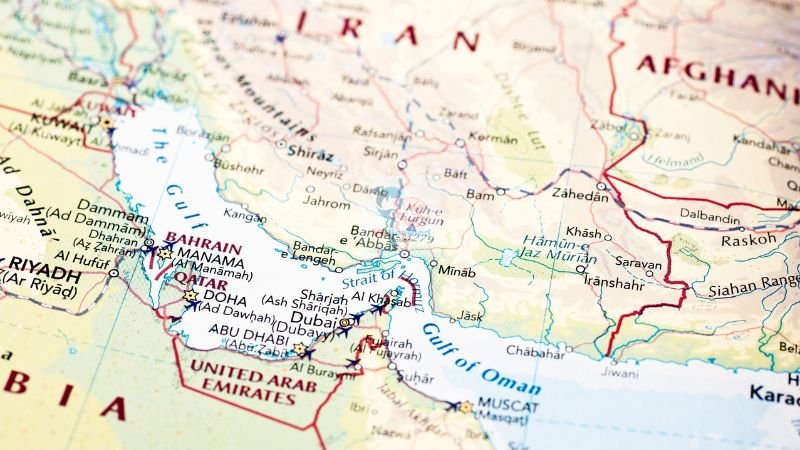
Tanker traffic through the Strait dropped by roughly 70%. Over 150 ships anchored outside the strait, waiting and watching. Eventually, traffic fell to near zero. If that doesn’t make your stomach drop, consider this: the Strait of Hormuz normally handles about 20% of the world’s oil — and a massive share of container shipping between Asia and the Middle East.
War-risk insurance premiums didn’t just increase. They exploded. Before the strikes, premiums sat at around 0.125% of ship value per transit. Within days, they surged to between 0.2% and 0.4%. For a vessel worth $150 million, that’s an overnight jump from roughly $187,000 to $600,000 — per single transit.
The math stopped making sense for almost everyone.
Shipping Giants Pull Out — What This Means for Reefer Cargo
When the world’s biggest shipping companies collectively say “we’re out,” you know the situation is serious.
Maersk, MSC, CMA CGM, and Hapag-Lloyd all halted transits through the Strait of Hormuz. Many rerouted vessels away from the Suez Canal entirely, choosing the much longer Cape of Good Hope route instead.
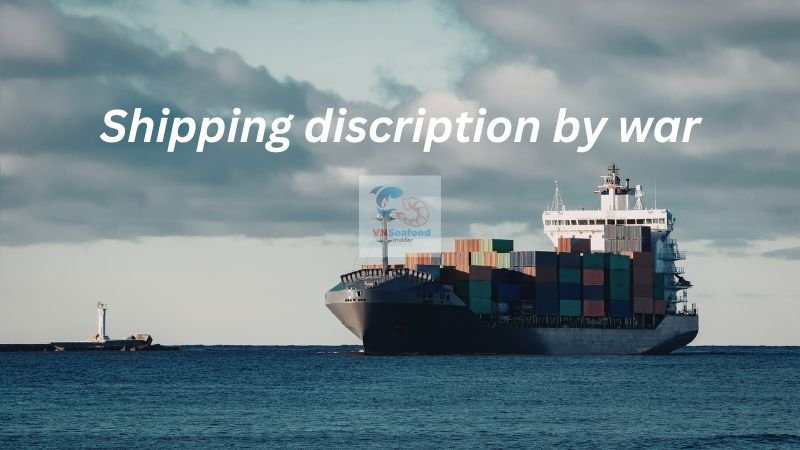
Hapag-Lloyd introduced a War Risk Surcharge of $1,500 per TEU for standard containers — and a jaw-dropping $3,500 for reefer and special equipment bound for Arabian Gulf ports.
Now, if you’re shipping frozen shrimp or pangasius, that reefer surcharge hits differently. Cold chain cargo is already expensive to move. Add $3,500 per container on top of already-doubled freight rates, and suddenly your landed cost calculations need a complete rewrite.
This is the critical impact that makes the seafood shipping disruption Middle East 2026 particularly painful for our industry.
See more: The Rise of Vietnam Seafood Processing: Market Trends & Future Outlook
The Direct Impact of Middle East Shipping Disruption on Seafood Supply Chains
So the bombs fell and the ships stopped. But what does that actually mean for the seafood sitting in cold storage, waiting to reach dinner plates around the world? Quite a lot, unfortunately.
Freight Costs and Transit Times Are Skyrocketing
The numbers tell a brutal story. Asia-to-Dubai freight rates nearly doubled within days of the conflict escalating. War-risk premiums for Middle East shipping operations surged over 1,000%, according to multiple industry reports. That’s not a typo. One thousand percent.
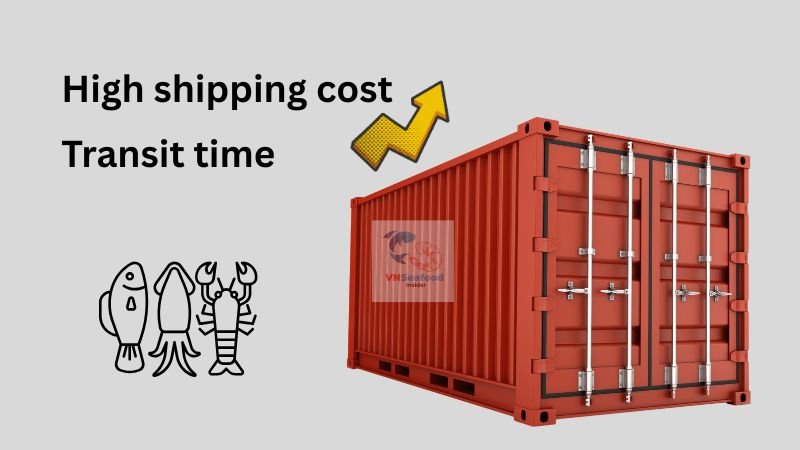
Rerouting via the Cape of Good Hope adds 7 to 14 days per voyage, depending on the origin port. For context, that’s like adding an entire second shipment’s worth of transit time to every order.
Emergency surcharges of $1,500 to $4,000 per container are now standard across most carriers serving the region. These aren’t negotiable. They’re survival pricing from shipping lines that are themselves hemorrhaging money.
Cold Chain Integrity at Risk
Here’s where it gets personal for seafood importers. Frozen shrimp doesn’t care about geopolitics. It cares about temperature. And when transit times stretch by two weeks, the risk of cold chain failure goes up dramatically.
About 10% of the world’s container ships are now ensnared in broader backups caused by the rerouting chaos. Cargo is piling up at ports and transshipment hubs across Europe and Asia. Reefer container availability is tightening fast across Asia-to-Middle East corridors.
If you’ve ever received a container of frozen seafood that spent too long in transit — you know the heartbreak. Product quality degrades. Glaze melts and refreezes. Texture changes. And buyers notice. Every single time.
Vietnam’s $401M Middle East Seafood Trade Faces Major Headwinds
Vietnam exported $401 million in seafood to the Middle East in 2025. That’s a significant chunk of business that is now directly threatened by the global shipping crisis unfolding in the region.
But Vietnamese exporters aren’t sitting still. They’ve already begun pivoting — redirecting export volumes away from affected routes and toward markets with stable, unaffected shipping lanes. The focus is shifting to ASEAN, the US, Australia, and China.
And that pivot? It’s creating opportunities for importers smart enough to see it.
Why Smart Importers Are Redirecting Orders to Vietnam Right Now
Every disruption creates losers and winners. The importers who win are the ones who move first. Right now, Vietnam is offering something rare: strong supply, competitive pricing, and shipping routes that actually work.
Vietnam Seafood Exports Hit $1 Billion in January 2026 — Supply Is Strong
Vietnam’s seafood export performance in January 2026 was nothing short of remarkable. Exports grew 30.6% year-over-year, reaching over $1.01 billion in a single month.
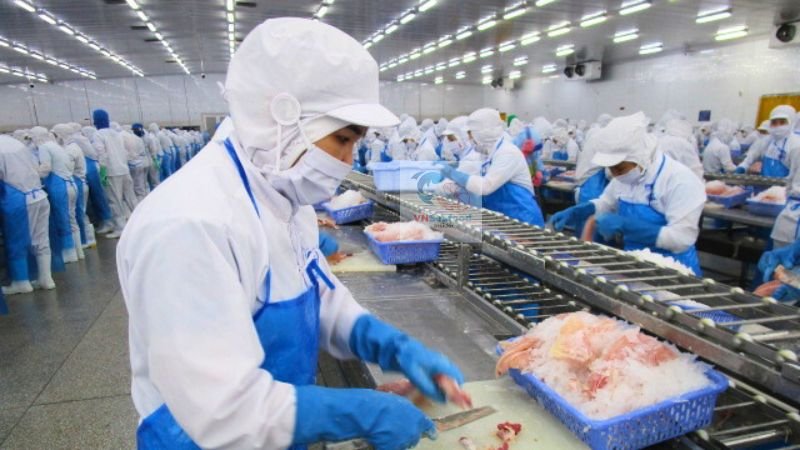
Some of that growth reflects calendar effects — January 2025 overlapped with Tet (Vietnamese Lunar New Year), reducing production days. This year, Tet fell in February, allowing January exports to run at full throttle. But the underlying demand tells its own story.
Exports to ASEAN jumped 47%. China and Hong Kong were up 34%. The EU, Japan, and Korea all posted gains between 24% and 29%. Vietnamese factories returned to full production immediately after Tet, well aware that global volatility demanded speed and reliability.
The supply is there. The capacity is there. The question is whether you’ll secure it before everyone else does.
The US Tariff Reduction Opens a New Window of Opportunity
Here’s a plot twist that even VNSeafoodInsider didn’t fully see coming.
President Trump announced plans to raise a new global tariff baseline from 10% to 15% under Section 122 of the Trade Act of 1974, following a Supreme Court ruling that blocked prior tariff structures. The initial 10% rate took effect on February 24, 2026.
The practical result? The reciprocal tariff on Vietnamese seafood dropped from 20% to just 10%. That’s a massive shift in competitiveness.
Vietnamese shrimp, pangasius, and processed seafood products are now more price-competitive in the US market than they’ve been in years. The timing is almost poetic: as Middle East supply routes collapse, American importers gain a cost-efficient, tariff-friendly alternative from a country with proven export capacity.
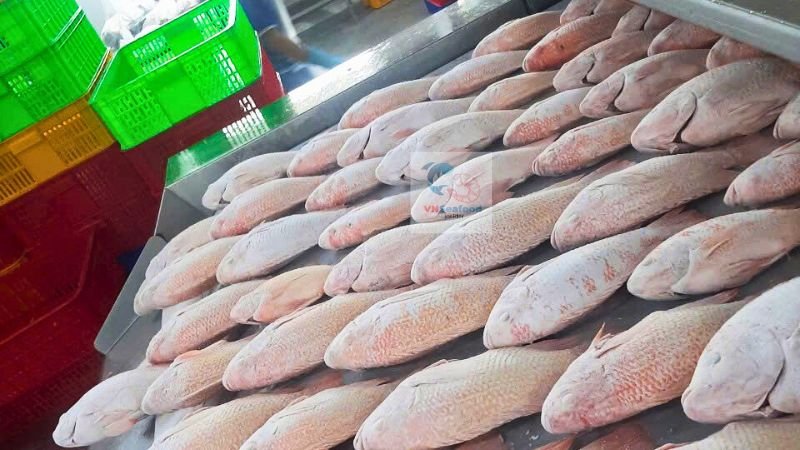
If you import frozen shrimp to the US or distribute pangasius fillets to retail chains, this is the window you’ve been waiting for.
Vietnam’s Shipping Routes to the US, ASEAN & Australia Remain Unaffected
This is the part that matters most. Trans-Pacific and intra-Asia shipping lanes continue to operate normally. No surcharges. No rerouting. No war-risk premiums eating into your margins.
A rapid diplomatic de-escalation could eventually restore normal shipping through the Strait of Hormuz — but the short-to-medium term outlook remains volatile, according to defense analysts. That means months of uncertainty at minimum.
Buyers sourcing from Vietnam can avoid the entire mess. Your containers leave Ho Chi Minh City or Hai Phong, cross the Pacific, and arrive on schedule. It sounds almost boring compared to the drama in the Middle East. Boring, in shipping, is exactly what you want.
See more: Top 5 exotic vietnam white fish that the importers should consider
What Should Seafood Importers and Distributors Do Right Now?
Enough analysis. Let’s talk about action. Here’s what VNSeafoodInsider recommends based on everything we’re seeing on the ground.
Stock Up Before the Supply Gap Widens
If your current supply chain runs through or depends on Middle East shipping routes, you need inventory buffers immediately. Not next quarter. Now.
Industry analysts have noted there is “no real alternative” to ocean freight for seafood moving through this region. The disruption could persist as long as the conflict continues — and nobody has a reliable timeline for resolution.
Lead times from Vietnam to the US and EU are significantly shorter and far more predictable than anything currently available through rerouted Middle East supply chains. That predictability alone is worth its weight in frozen shrimp.
Diversify Your Supplier Base — Vietnam as a Strategic Backup
Even if you don’t plan to shift your entire sourcing strategy, diversification is just good business. Here are practical steps you can take today:
- Contact Vietnamese exporters now to lock in Q2 and Q3 supply before allocation tightens
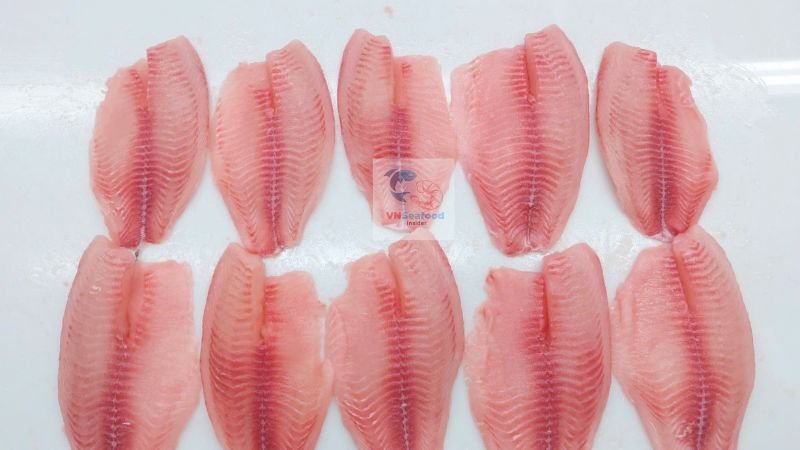
- Prioritize key categories where Vietnam excels: black tiger shrimp, vannamei shrimp, pangasius fillets, squid, and canned seafood
- Request updated pricing that reflects the new 10% US tariff rate — you may be surprised at how competitive the numbers look
Vietnamese suppliers are actively reallocating export volumes to non-disrupted markets. They have capacity. They’re looking for partners. The door is open, but it won’t stay that way forever.
Outlook — How Long Will the Seafood Shipping Disruption Last?
Nobody has a crystal ball, but the signals aren’t encouraging for a quick resolution.
If instability persists for one to six months, defense and economic analysts predict the impact will deepen — sustaining or even elevating global shipping costs and driving broad-based inflation across industrial sectors, including food and seafood.
Experts predict full recovery of Middle East maritime trade routes could take many months, prolonging pain for importers who remain dependent on these corridors.
The importers who act early to secure alternative supply will hold a significant competitive advantage. Those who wait may find themselves competing for shrinking inventory at rising prices. We’ve seen this movie before — during the Red Sea crisis of 2024 — and the importers who moved first came out ahead every time.
The Disruption Is Real. Your Next Move Matters.
Let’s bring it all together. The seafood shipping disruption Middle East 2026 is not a temporary blip. It’s a structural supply chain shock driven by military conflict, skyrocketing freight costs, and the withdrawal of major shipping lines from critical trade routes.
Vietnam is uniquely positioned to fill the gap. The country offers strong and growing export supply — over $1 billion in January alone. It benefits from newly favorable US tariffs at just 10%. And its shipping routes to major import markets remain completely unaffected by the crisis.
The disruption is real. But so is the opportunity.
Ready to secure your seafood supply before the gap widens? Connect with trusted Vietnamese seafood plants and get the latest market intelligence at vnseafoodinsider.com. Because in times like these, the smartest move is the one you make before everyone else catches on.
