
Introduction about Vietnam Barramundi
So what exactly is barramundi? Known scientifically as Lates calcarifer, barramundi is a species of Asian seabass native to the Indo-Pacific region. It’s a versatile, mild-flavored white fish with a buttery texture and a clean finish that chefs absolutely love. Rich in omega-3 fatty acids and high in protein, it checks every box health-conscious consumers care about. Barramundi adapts remarkably well to aquaculture — it grows fast, tolerates various salinities, and converts feed efficiently. That’s a trifecta that makes farmers and importers equally happy.
Now, here’s where it gets interesting. While Australia often gets the spotlight for barramundi, Vietnam barramundi production has been quietly — and not so quietly — scaling up. Vietnam now ranks among the top producers of farmed Asian seabass globally, leveraging its tropical climate, extensive coastline, and decades of aquaculture expertise built through the pangasius and shrimp industries. The infrastructure is mature. The workforce is skilled. And the pricing? Significantly more competitive than most Western alternatives.
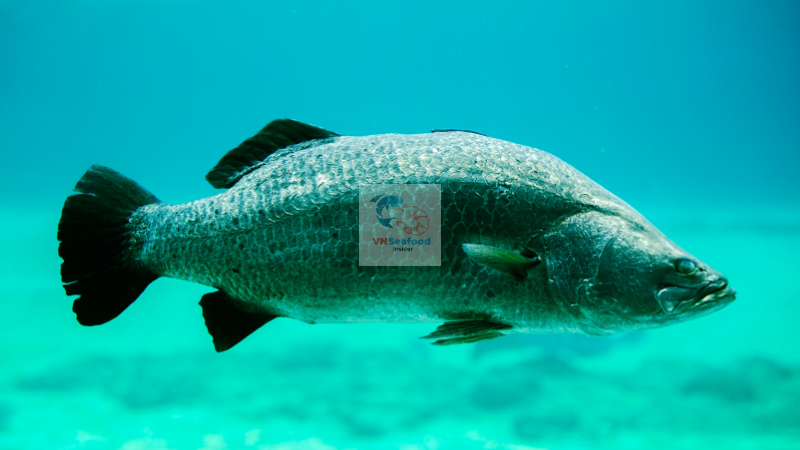
This Vietnam barramundi import guide is built for seafood importers, purchasing managers, distributors, and foodservice buyers who want a clear, practical roadmap for sourcing barramundi from Vietnam. Whether you’re placing your first order or optimizing an existing supply chain, VNSeafoodInsider has you covered. Let’s dive in.
Why Choose Vietnam for Barramundi Sourcing
Before we get into the nuts and bolts of importing, it’s worth stepping back and asking the fundamental question: why Vietnam? After all, barramundi is farmed in Australia, Indonesia, Malaysia, Thailand, and even the United States. The answer, as with most smart sourcing decisions, comes down to a combination of price, infrastructure, and reliability. Let us walk you through it.
Competitive Pricing Without Compromising Quality
Here’s the thing about Vietnam barramundi pricing — it’s not cheap because corners are being cut. It’s competitive because Vietnam’s cost structure is fundamentally different. Labor costs are lower. Feed ingredients are regionally sourced. Energy and overhead expenses don’t carry the premiums you’d see in Australia or the US. The result? Vietnam barramundi typically costs 20–30% less than comparable Australian product at similar quality levels.
And quality isn’t an afterthought here. Many Vietnamese processors have invested heavily in modern facilities specifically designed to meet the standards of demanding markets like the EU, Japan, and the United States. You’re not trading quality for price — you’re getting both. That’s the sweet spot every importer dreams about.
Established Aquaculture Infrastructure
Vietnam didn’t just stumble into aquaculture yesterday. The country built a multi-billion-dollar seafood export industry over the past three decades, largely driven by pangasius (basa fish) and shrimp. That foundation — the hatcheries, the feed mills, the processing plants, the cold chain logistics — directly supports the growing barramundi farming in Vietnam.
Farms operate in coastal provinces with ideal tropical conditions. Water temperatures stay warm year-round, which means continuous growth cycles without the seasonal interruptions that plague temperate producers. Processing facilities are HACCP-certified, EU-approved, and equipped with IQF freezing technology. The ecosystem is mature, and it shows.
Quality Certifications & International Standards
If you’ve ever worried about whether a Vietnamese supplier can meet your certification requirements, put that concern to rest. Leading Vietnam barramundi suppliers hold ASC (Aquaculture Stewardship Council), BAP (Best Aquaculture Practices), GlobalGAP, and ISO 22000 certifications. Many facilities carry EU establishment approval numbers, which is essentially the gold standard for market access.
The certification landscape in Vietnam has evolved dramatically. It’s no longer a handful of pioneers — it’s an industry-wide commitment to international quality standards that opens doors to every major import market on the planet.
In short, Vietnam offers the rare combination of competitive cost, proven infrastructure, and internationally recognized quality certifications. For importers looking to diversify sourcing or enter the barramundi market for the first time, Vietnam deserves serious consideration. Now let’s talk about what those certifications actually mean.
Discover why Vietnam is becoming Asia’s leading barramundi exporter?
Quality Standards & Certifications for Vietnam Barramundi
Certifications aren’t just logos on a box — they’re your insurance policy. They tell your customers, your regulators, and your own quality team that the product in that container meets specific, verifiable standards. For importing barramundi from Vietnam, understanding the certification landscape is essential because different markets and different buyers require different credentials.
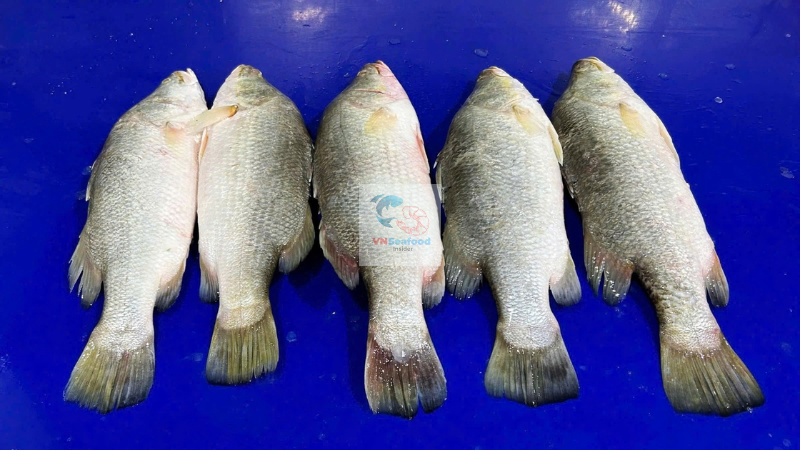
Here at VNSeafoodInsider, we always tell importers: start with what your market demands, then work backward to find suppliers who match. Here’s what you need to know for Vietnam barramundi import guide:
ASC (Aquaculture Stewardship Council) Certification
ASC certification is the gold standard for responsible aquaculture, and it carries serious weight with European retailers and increasingly with North American buyers. An ASC-certified barramundi farm has been independently audited against rigorous environmental and social standards — everything from water quality and feed sourcing to worker welfare and community impact.
For importers, ASC-certified barramundi commands a premium in the market — typically $0.50–$1.20 per kilogram above non-certified product. But that premium often pays for itself through access to retail channels that simply won’t stock non-certified seafood. Major chains like Whole Foods, Albert Heijn, and Tesco increasingly require ASC or equivalent certification.
The number of ASC-certified barramundi farms in Vietnam is growing, though it’s still a smaller subset of total production. If ASC is on your requirements list, verify certification directly through the ASC website using the supplier’s certificate code. Don’t just trust a PDF.
BAP (Best Aquaculture Practices) Certification
BAP certification, administered by the Global Seafood Alliance, takes a four-pillar approach covering the farm, the hatchery, the feed mill, and the processing plant. It’s particularly popular in the US market, where many major retailers and foodservice distributors recognize BAP as their primary sustainability standard.
BAP operates on a star rating system — one star (single facility certified) through four stars (entire supply chain certified). For Vietnam barramundi exporters, achieving multi-star BAP certification demonstrates supply chain transparency that sophisticated buyers appreciate.
One practical advantage of BAP: it’s often faster and more cost-effective for Vietnamese facilities to obtain than ASC, which means broader availability of BAP-certified product. If your primary market is the United States, BAP certification should be at the top of your checklist.
Other Important Quality Standards
Beyond the “headline” certifications, several other standards matter for Vietnam barramundi quality:
- HACCP (Hazard Analysis Critical Control Points): This is non-negotiable. Any legitimate Vietnamese seafood processor will have HACCP certification. It’s the baseline food safety system required by virtually every import market. If a supplier doesn’t have HACCP, walk away.
- ISO 22000: This international food safety management standard builds on HACCP with a broader management system framework. It’s increasingly common among top-tier Vietnamese processors.
- EU Approval: Facilities that export to the European Union must hold an EU-approved establishment number. This approval involves inspection by Vietnamese authorities (NAFIQAD) under EU oversight. It’s a rigorous process that signals high processing standards.
- GlobalGAP: Focused on good agricultural practices at the farm level, GlobalGAP certification is valued in European markets and provides assurance about feed, chemicals, and environmental management.
The key takeaway? Match your certification requirements to your market, verify everything independently, and don’t be shy about asking suppliers for documentation. Legitimate suppliers expect these questions — and they’re happy to answer them.
For an in-depth analysis of certification requirements and how to verify them, see our Complete Guide to ASC & BAP Certified Barramundi from Vietnam.
How to Import Barramundi from Vietnam: Process & Regulations
Now we’re getting to the part that keeps purchasing managers up at night — the actual import process. Paperwork, regulations, inspections, customs clearances… it’s not glamorous, but getting it right means the difference between a smooth container arrival and an expensive headache at the port. This section of our Vietnam barramundi import guide breaks down exactly what you need.
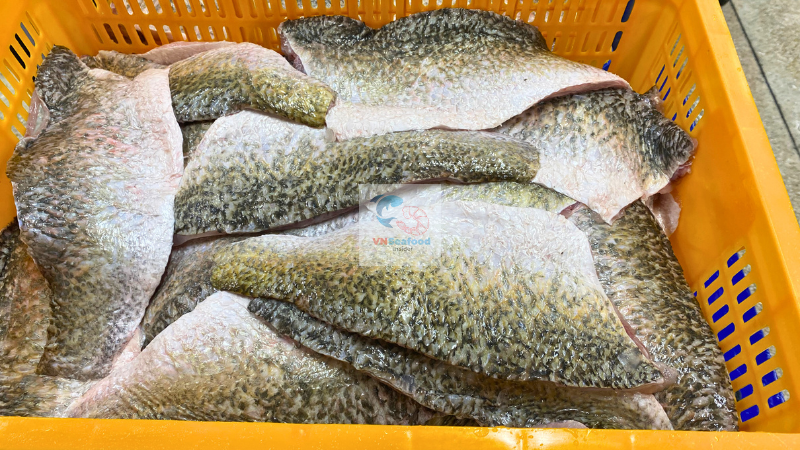
The good news? Vietnam’s seafood export industry is incredibly experienced with international trade documentation. Your supplier should handle much of the export side. But you need to understand both sides of the equation to protect yourself.
Essential Documentation Required
Every barramundi shipment from Vietnam will require a core set of documents. Think of this as your non-negotiable checklist:
- Health Certificate: Issued by Vietnam’s National Agro-Forestry-Fisheries Quality Assurance Department (NAFIQAD). This certifies the product meets health and safety requirements.
- Certificate of Origin (C/O): Confirms the product originates from Vietnam. Essential for tariff purposes and may qualify for preferential trade agreements.
- Commercial Invoice & Packing List: Standard trade documents detailing product specifications, quantities, pricing, and packaging.
- Bill of Lading (B/L): The shipping document that serves as receipt of cargo and title document.
- Catch/Aquaculture Certificate: Required for EU imports under IUU (Illegal, Unreported, Unregulated) fishing regulations. For farmed barramundi, this is an aquaculture production certificate.
- Laboratory Test Reports: Antibiotic residue testing, heavy metals, microbiological analysis. Many importers require third-party testing from accredited labs.
- Certification Documents: ASC, BAP, or other relevant certification copies.
Pro tip from VNSeafoodInsider of Vietnam barramundi import guide: create a documentation checklist template for every order and share it with your supplier before production begins. Prevention beats correction every single time.
Import Regulations by Key Markets
United States
The US market requires that the Vietnamese processing facility be registered with the FDA. All seafood imports are subject to FDA inspection under the Seafood HACCP regulation. Products may be examined, sampled, or detained at the port of entry.However, NOAA’s Seafood Import Monitoring Program (SIMP) which is required for shrimps shall not apply for Barramundi. Duties and tariffs apply based on HTS codes; frozen barramundi fillets and whole fish have different classifications.
European Union
EU imports require that the processing facility holds an EU-approved establishment number — this is verified through the TRACES (Trade Control and Expert System) platform. Health certificates must follow EU templates. The IUU regulation requires catch certificates for all seafood imports. Residue monitoring programs must meet EU standards, which are among the strictest globally. All products must comply with EU maximum residue limits for contaminants and additives.
Other Markets
Australia, Japan, South Korea, and Middle Eastern markets each have their own requirements. Japan’s standards for antibiotic residues are notably strict. Middle Eastern markets may require Halal certification. Your supplier should be familiar with destination-specific requirements, but always verify independently.
5 Critical Things Importers Need to Know
- Start with a sample order. Never commit to a full container without evaluating product quality firsthand. Most reputable suppliers will accommodate sample shipments of 100–500kg.
- Verify certifications independently. Check certificate numbers directly with issuing bodies. Fraudulent certificates exist — don’t learn this the hard way.
- Understand Incoterms clearly. Most Vietnam barramundi are quoted FOB (Free on Board) Vietnamese port. Confirm exactly what’s included and what’s your responsibility.
- Plan for customs delays. FDA or EU inspections can hold containers. Build buffer time into your supply planning, especially for first shipments.
- Use a customs broker. If you’re new to seafood importing, a specialized customs broker familiar with seafood regulations is worth every penny.
This overview covers the fundamentals. For detailed step-by-step guidance on documentation, customs clearance, and avoiding common pitfalls, read our comprehensive Import Barramundi Fish from Vietnam: 5 Critical Things Guide
Vietnam Barramundi Import guide: Pricing & Commercial Terms
Money talks. And in the seafood import business, understanding pricing structure is just as important as understanding product quality. This section gives you a clear picture of current Vietnam barramundi prices, what drives them, and how commercial terms typically work. No one likes surprises on an invoice — so let’s make sure you don’t get any.
Current Price Ranges by Product Type
Here’s a snapshot of current FOB Vietnam pricing for barramundi products:
Product Type Specification Price Range (FOB Vietnam) |
Whole Fish (Frozen) | 600–800g | $3.xx–$4.xx/kg |
Whole Fish (Frozen) | 800–1000g | $4.xx–$5.xx/kg |
Fillet (Frozen) | Skin-on, boneless | $7.xx–$9.xx/kg |
Fillet (Frozen) | Skinless, boneless | $8.xx–$10.xx/kg |
Portion (IQF) | 170–200g | $9.xx–$11.xx/kg |
Value-Added | Marinated/breaded | $10.xx–$14.xx/kg |
Note: Exact pricing fluctuates based on market conditions. Contact VNSeafoodInsider for current quotes.
Several factors influence where your price falls within these ranges:
- Certification premium: ASC or BAP certification adds $0.50–$1.20/kg. Think of it as the cost of market access rather than just a surcharge.
- Volume discounts: Full container loads (FCL) typically earn 3–5% discounts compared to less-than-container loads.
- Size premiums: Larger fish (1000g+) command 10–15% premiums over smaller sizes. Bigger fish yield better fillets, and the market rewards that.
- Seasonality: Unlike wild-caught species, farmed barramundi has limited seasonal price fluctuation thanks to controlled farming cycles. That’s a planning advantage you shouldn’t underestimate.
- Exchange rates: Most transactions are in USD, but the USD/VND exchange rate affects supplier costs and can influence pricing during negotiations.
Minimum Order Quantities (MOQ)
The standard minimum order quantity for Vietnam barramundi is one 20-foot refrigerated container, which holds approximately 10–12 metric tons of frozen product. That’s the sweet spot where pricing, logistics, and supplier economics all align.
But what if you’re not ready for a full container? Many suppliers will accommodate LCL (Less than Container Load) shipments or sample orders in the range of 100–500kg. Expect to pay a higher per-kilogram price for smaller quantities — typically 10–20% above FCL pricing. It’s a reasonable trade-off for risk mitigation on first orders.
For established buyers with consistent demand, some suppliers offer flexible MOQ arrangements, including mixed containers with multiple product specifications. This is particularly useful if you’re testing different products — say, whole fish alongside frozen barramundi fillets — within a single shipment.
Payment Terms & Financing Options
Payment terms depend heavily on your relationship with the supplier and the order size. Here’s what’s typical:
- New buyers: 30–50% deposit via T/T (telegraphic transfer) with the balance paid before shipment. Alternatively, an irrevocable Letter of Credit (L/C) at sight.
- Established buyers: More favorable terms become available — 30-day or even 60-day payment terms after B/L date, reduced deposit percentages, or open account arrangements for long-term partners.
- Letters of Credit are strongly recommended for first-time large orders. Yes, the banking fees add cost, but the security is worth it for both parties.
VNSeafoodInsider’s advice? Start conservative with payment terms. Build trust through two or three successful transactions, then negotiate improved terms. It’s a relationship business — and relationships take time.
For detailed pricing breakdowns by specification, MOQ tiers, negotiation strategies, and current market rates, explore our Vietnam Barramundi Wholesale Price Guide.
How to Find Reliable Vietnam Barramundi Suppliers
Finding a supplier is easy. Finding the right supplier? That takes a bit more effort. The difference between a reliable partner and a problematic one can mean thousands of dollars in quality claims, delayed shipments, and customer complaints. This section of our Vietnam barramundi import guide helps you separate the contenders from the pretenders.
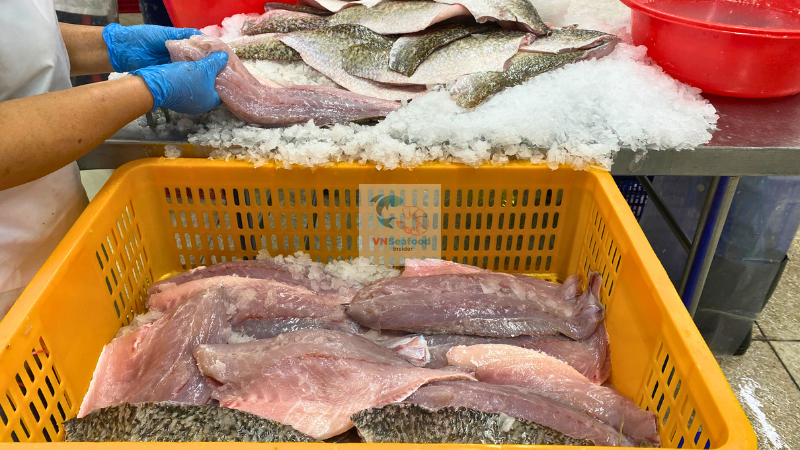
Key Supplier Evaluation Criteria
When evaluating potential Vietnam barramundi suppliers, here’s what to assess:
Certifications & Compliance: This is your first filter. Does the supplier hold the certifications your market requires — ASC, BAP, HACCP, EU approval? Can they provide valid, verifiable certificate numbers? If they hesitate or deflect on certification questions, that’s a red flag the size of a billboard.
Production Capacity: Can the supplier consistently deliver your required volumes? Ask about monthly and annual production capacity, current customer commitments, and seasonal capacity fluctuations. A supplier running at 95% capacity may struggle to prioritize your orders during peak periods.
Quality Control Systems: Look beyond certifications to the actual QC processes. Do they have in-house laboratories? What’s their testing protocol for antibiotic residues, heavy metals, and microbiological contamination? How do they handle non-conforming product? Ask for their QC manual — serious suppliers have one.
Communication & Service: Responsiveness matters more than you might think. A supplier who takes five days to answer an email during the quoting phase will likely be even slower when you have a problem with a shipment. Test their communication before you commit.
Financial Stability: A supplier in financial distress may cut corners on quality, delay shipments, or disappear altogether. Request business registration documents and, if possible, financial references.
Where to Find Vietnam Barramundi Suppliers
Start with these channels:
- Industry trade shows: Vietfish (Ho Chi Minh City), Seafood Expo Global (Barcelona), and Seafood Expo North America (Boston) are prime venues for meeting Vietnamese seafood exporters face to face.
- Industry directories: VASEP (Vietnam Association of Seafood Exporters and Processors) maintains a member directory that’s a solid starting point.
- B2B platforms: Alibaba, Global Sources, and specialized seafood trading platforms list Vietnamese suppliers, though verification is essential.
- Industry networks and consultants: Sometimes the best introductions come through people who know the landscape. That’s exactly what VNSeafoodInsider is here for.
Red Flags to Avoid
Walk away from suppliers who: offer prices dramatically below market rates (if it sounds too good to be true, it is), can’t provide verifiable certifications, refuse factory visits, have no track record with your target market, or pressure you for large upfront payments without an L/C option. Trust your instincts — and verify everything.
Selecting the right partner requires thorough due diligence. Our detailed Vietnam Barramundi Supplier Selection Guide provides evaluation scorecards, interview questions, and verification checklists.
Logistics & Cold Chain Management for Vietnam Barramundi Imports
Even the best barramundi in the world is worthless if it arrives thawed, damaged, or late. Cold chain management is the invisible backbone of frozen seafood importing, and getting it right requires attention to detail from the factory freezer to your customer’s loading dock.
Shipping Options & Transit Times
The vast majority of Vietnam barramundi exports move by sea freight in 20-foot or 40-foot refrigerated containers (reefers) set to -18°C or below. Here are typical transit times:
- US West Coast (Los Angeles, Seattle): 18–22 days
- US East Coast (New York, Miami): 28–35 days
- Europe (Rotterdam, Hamburg): 22–28 days
- Australia (Sydney, Melbourne): 10–14 days
- Japan/Korea: 7–12 days
Air freight is available for sample shipments or urgent orders, with delivery in 2–5 days to most destinations. It’s significantly more expensive — typically $3–5/kg for freight alone — but sometimes necessary for market testing or filling emergency orders.
Main Export Ports in Vietnam
Most barramundi exports ship from:
- Ho Chi Minh City (Cat Lai Port): The largest and most established export hub, with excellent shipping frequency and carrier options.
- Hai Phong: Serves northern Vietnam processors with good connections to Asian markets.
- Da Nang: Growing as a mid-Vietnam option, though less common for barramundi specifically.
Cat Lai handles the lion’s share of Vietnam’s seafood exports and offers the broadest range of shipping lines and schedules.
Cold Chain Requirements
Frozen barramundi must be maintained at -18°C or below throughout the entire supply chain. It is the required basis of Vietnam barramundi import guide. Reefer containers should be pre-cooled before loading. Product should be blast-frozen or IQF-frozen at the factory to core temperature of -18°C before containerization — reefer containers are designed to maintain temperature, not to freeze product.
Request temperature logs from the container’s data recorder upon arrival. Any breaks in the cold chain are your basis for quality claims. And always — always — inspect the first few pallets visually upon container unloading. A quick visual check catches problems before they become expensive.
Vietnam Barramundi Market Trends & Future Outlook
Understanding where the market is heading helps you make smarter sourcing decisions today. The Vietnam barramundi market isn’t static — it’s evolving rapidly, and the importers who pay attention to trends will be the ones who profit from them.
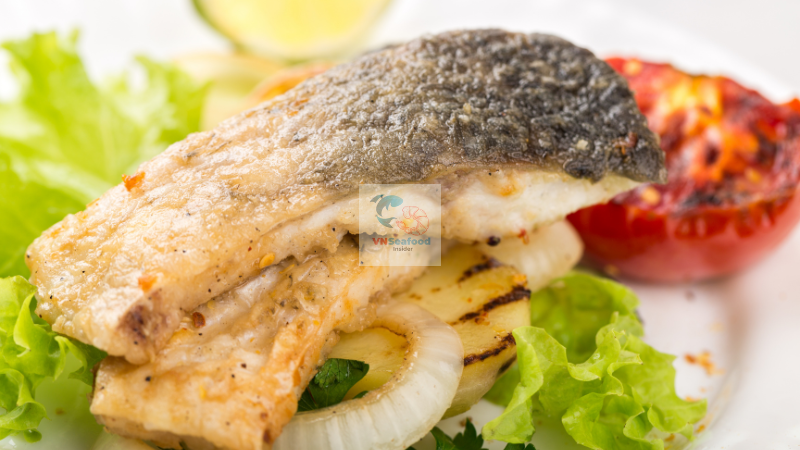
Current Production & Export Trends
Vietnam’s barramundi production has been on a steady upward trajectory, growing an estimated 10–15% annually over the past several years. Export volumes to the United States, EU, and Australia have increased as buyers recognize the value proposition. More Vietnamese processors are adding barramundi to their product lines alongside established categories like pangasius and shrimp, which brings additional processing capacity and expertise to the sector.
The value-added barramundi segment — marinated, breaded, and portion-controlled products — is growing fastest, driven by retail and foodservice demand for convenience-oriented seafood.
Key Market Drivers
Several forces are pushing barramundi demand upward:
- Health and wellness trends: Barramundi’s nutritional profile — high omega-3s, lean protein, low mercury — aligns perfectly with consumer health priorities.
- Sustainability consciousness: Farmed barramundi has a relatively low environmental footprint compared to many other protein sources. ASC and BAP certifications amplify this message.
- Menu diversification: Chefs and foodservice operators are looking beyond salmon and cod. Barramundi’s versatility and mild flavor make it an ideal menu addition.
- Retail private label growth: Supermarket chains are expanding their frozen seafood private label offerings, and barramundi fillets are increasingly featured.
Future Outlook for Vietnam Barramundi
The outlook is bright. Expect continued production growth, expanded certification adoption, and increasing product diversification from Vietnamese barramundi producers. As global demand for sustainable, affordable white fish grows, Vietnam is positioned to capture a larger share of the market. Smart importers are building supplier relationships now.
Frequently Asked Questions About Importing Vietnam Barramundi
Here are answers to the most common questions importers ask about Vietnam barramundi. Can’t find what you’re looking for? Contact VNSeafoodInsider or download our complete FAQ document.
Product & Quality Questions
Q1: Is Vietnam barramundi the same quality as Australian barramundi?
Vietnam barramundi (Asian seabass) is the same species (Lates calcarifer) as Australian barramundi. Quality depends on farming practices, feed, and processing standards rather than origin. Many Vietnam farms now match international quality standards with ASC/BAP certifications. The main differences are typically in size availability and price point, not intrinsic quality. Don’t let origin bias cloud your judgment — taste the product and let it speak for itself.
Q2: What sizes of barramundi are available from Vietnam?
Common sizes include 600–800g, 800–1000g, and 1000g+ for whole fish. Barramundi fillet/ portion sizes typically range from 150–400g per piece. Most suppliers can accommodate custom size requests with sufficient order volume. Larger sizes command premium pricing — typically 10–15% above standard sizes.
Q3: Can I get fresh (not frozen) barramundi from Vietnam?
Fresh barramundi is available but primarily serves nearby Asian markets due to proximity and transit time constraints. For US and EU buyers, frozen is the standard — and honestly, it’s the smart choice. Super-frozen (-35°C) technology preserves quality that’s virtually indistinguishable from fresh for most culinary applications.
Certification & Compliance Questions
Q4: Are certifications mandatory for importing Vietnam barramundi?
Mandatory certifications depend on your destination market. The USA requires FDA facility registration and health certificates. The EU requires approved establishment numbers. ASC and BAP are technically optional but increasingly required by major retailers and foodservice operators. If you’re targeting premium market segments, plan on sourcing certified products.
Q5: How do I verify a supplier’s certifications are legitimate?
Check certificates directly with the issuing bodies: the ASC website for ASC certificate codes, the BAP portal for BAP facility listings. Request establishment approval numbers and verify with relevant authorities (FDA for USA, competent authorities for EU). For first-time large orders, VNSeafoodInsider recommends commissioning a third-party audit — it’s cheap insurance.
Pricing & Orders Questions
Q6: What’s the minimum order quantity?
The typical MOQ is one 20-foot container (10–12 metric tons). Some suppliers accept LCL or sample orders (100–500kg) at higher per-kilogram pricing. Established buyers may negotiate lower MOQs for repeat orders. Start small, build trust, then scale up.
Q7: How much cheaper is Vietnam barramundi compared to Australian?
Vietnam barramundi typically costs 10–20% less than comparable Australian products. The gap narrows for certified (ASC/BAP) products. Exact pricing depends on specifications, certifications, and order volume. The value proposition isn’t just about the lower price — it’s about the combination of price, quality, and supply reliability.
Logistics Questions
Q8: How long does shipping take from Vietnam?
Sea freight transit times vary by destination: US West Coast 18–22 days, US East Coast 28–35 days, Europe 22–28 days. Air freight is available for urgent or sample shipments and typically takes 2–5 days.
Q9: What are typical payment terms?
New buyers generally work with a 30–50% deposit with balance before shipment via T/T, or Letter of Credit (at sight). Established relationships may negotiate more favorable terms. L/C is recommended for large first orders — it protects both sides.
Q10: Can I visit the farms and factories before ordering?
Absolutely, and reputable suppliers welcome it. Arrange visits with 1–2 weeks advance notice. Many also offer virtual tours for initial evaluation. VNSeafoodInsider strongly recommends an in-person visit before committing to large-volume contracts. There’s no substitute for seeing operations with your own eyes.
Resources & Next Steps for Vietnam Barramundi Importers
You’ve made it through the entire Vietnam barramundi import guide — which means you’re serious about this. That’s great, because the opportunity is real and growing. Here’s how to keep the momentum going.
Downloadable Resources
VNSeafoodInsider offers several practical tools to support your sourcing journey:
Vietnam Barramundi Supplier Evaluation Checklist — a ready-to-use scorecard for vetting potential partners
Related In-Depth Guides
This Vietnam barramundi import guide is part of a comprehensive content series on Vietnam seafood sourcing. Explore these related resources:
– Complete import process walkthrough
– Documentation requirements by market
– Common pitfalls and how to avoid them
2. ASC and BAP Certified Barramundi from Vietnam: Complete Guide
– Certification standards explained
– How to verify supplier claims
– Impact on pricing and market access
3. Vietnam Barramundi Wholesale Price Guide
– Detailed pricing by specification
– MOQ and volume discount structures
– Negotiation strategies
4. Barramundi Fillet Vietnam Supplier: Complete Selection Guide
– Evaluation criteria and scorecards
– Red flags to watch for
– How to conduct supplier audits
5. Vietnam vs Australian Barramundi: Complete Quality & Price Comparison
– Side-by-side analysis
– When to choose each origin
– ROI calculations
6. Why Vietnam is Becoming Asia’s Leading Barramundi Exporter
– Industry growth analysis
– Competitive advantages
– Future outlook
Get Expert Help
Need personalized guidance for your specific situation? VNSeafoodInsider connects importers with verified Vietnam barramundi manufacturing plant and provides sourcing support throughout the process. Contact us today to discuss your requirements — we’re here to help you source smarter.
