What “Red Snapper” Actually Means When Sourcing from Vietnam
Before you send a single inquiry email, you need to understand something fundamental about this trade. The words “red snapper” don’t mean the same thing in Vietnam as they do at a seafood counter in Texas. Getting this wrong isn’t just embarrassing — it’s potentially illegal.
The Species Confusion Problem Every Importer Must Understand
Here’s the uncomfortable truth that many Vietnamese red snapper suppliers won’t volunteer upfront: Vietnam does not commercially produce Lutjanus campechanus — the species the FDA defines as the one and only “red snapper.” That fish is native to the Gulf of Mexico and western Atlantic. It simply doesn’t swim in Vietnamese waters.
So what are you actually buying?
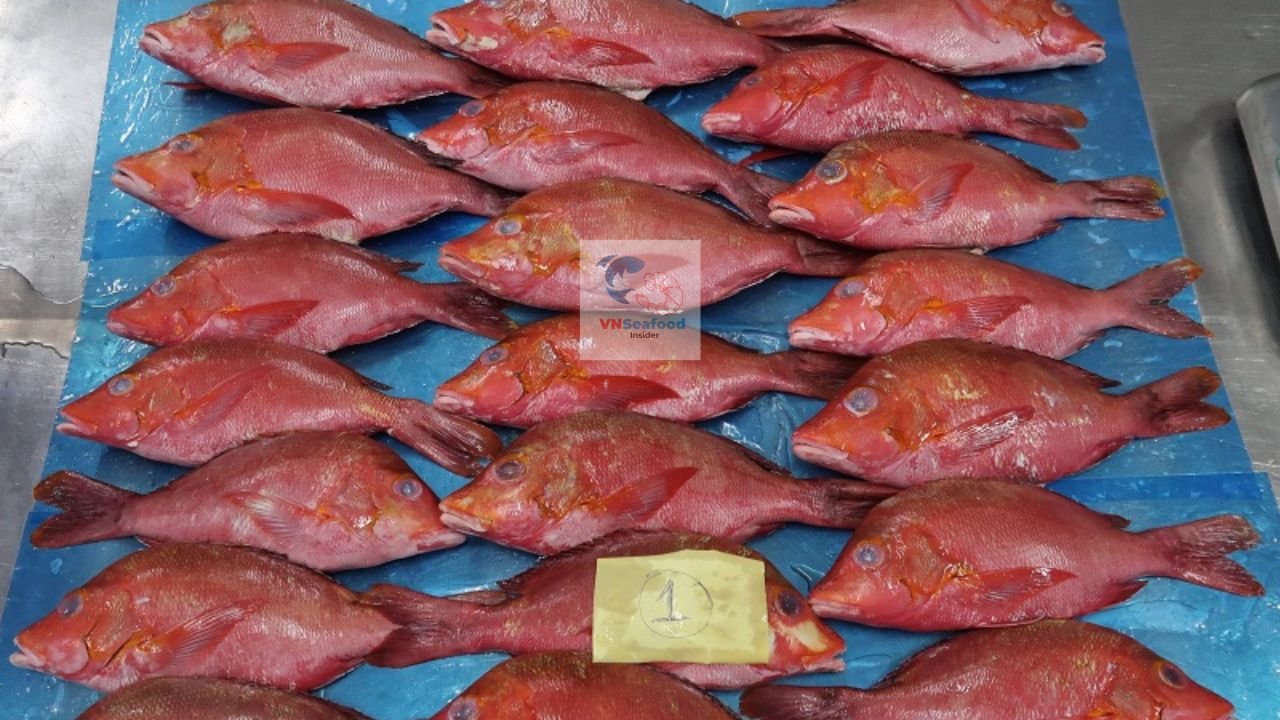
Vietnamese suppliers export several related species from the Lutjanidae family, and they’re genuinely excellent fish. The most common ones include:
- Lutjanus argentimaculatus (Mangrove red snapper) — the most widely available species along Vietnam’s South and Central coast
- Lutjanus malabaricus (Malabar blood snapper) — heavily exported to Japan, Australia, and the Middle East
- Lutjanus erythropterus (Crimson snapper) — available in smaller volumes
- Lutjanus russellii (Russell’s snapper / tropical snapper) — sometimes marketed as “tropical snapper” in certain trade channels
These are beautiful, flavorful fish. They’re just not that red snapper. Think of it like champagne — a sparkling wine from California might taste wonderful, but you can’t legally call it Champagne in many markets. Same principle here.
The FDA has already caught shipments labeled “Red Snapper” that actually contained Lutjanus malabaricus or Lutjanus erythropterus. Those shipments triggered import alerts. Nobody wants to be that importer.
What This Means for Your Import Documentation
If you’re selling into the US market, you cannot legally label Vietnamese snapper as “red snapper.” Full stop. The FDA’s Seafood List requires you to use the acceptable market name for whichever species you’re actually importing — “Malabar Snapper,” “Crimson Snapper,” “Mangrove Snapper,” and so on.
This isn’t a technicality you can quietly ignore. Your import documentation, commercial invoices, and product labels all need to reflect the correct species. Work with your Red Snapper Vietnam Supplier to ensure the Latin name (Lutjanus species) appears on every Certificate of Origin and health certificate. If a supplier hesitates to provide species-level identification, that tells you something important about how they operate.
For markets outside the US — particularly in the Middle East, Australia, and parts of Europe — labeling rules may differ. But the smartest approach is always accuracy. It protects your business and builds trust with your buyers.
See more: Vietnam white fish sourcing options
Why Vietnam Is a Strong Source for Red Snapper (Lutjanus spp.)
Now that we’ve cleared the air about species names, let’s talk about why Vietnam remains one of the most compelling origins for snapper sourcing in the global seafood trade. Because the fish themselves? They’re genuinely worth your attention.
Vietnam’s Natural Advantage for Snapper Production
Vietnam’s coastline stretches over 3,200 kilometers along the South China Sea, with warm tropical waters that create ideal habitat for multiple Lutjanus species. The fishing season runs essentially year-round, which means supply consistency — something importers in seasonal markets deeply appreciate.
Most wild-caught snapper from Vietnam comes from fishing operations along the South and Central coast, where the continental shelf supports healthy snapper populations. The country’s seafood processing infrastructure has matured significantly over the past two decades, with HACCP-certified facilities, blast freezing capabilities, and experienced labor that knows how to handle whole fish without destroying the flesh quality.
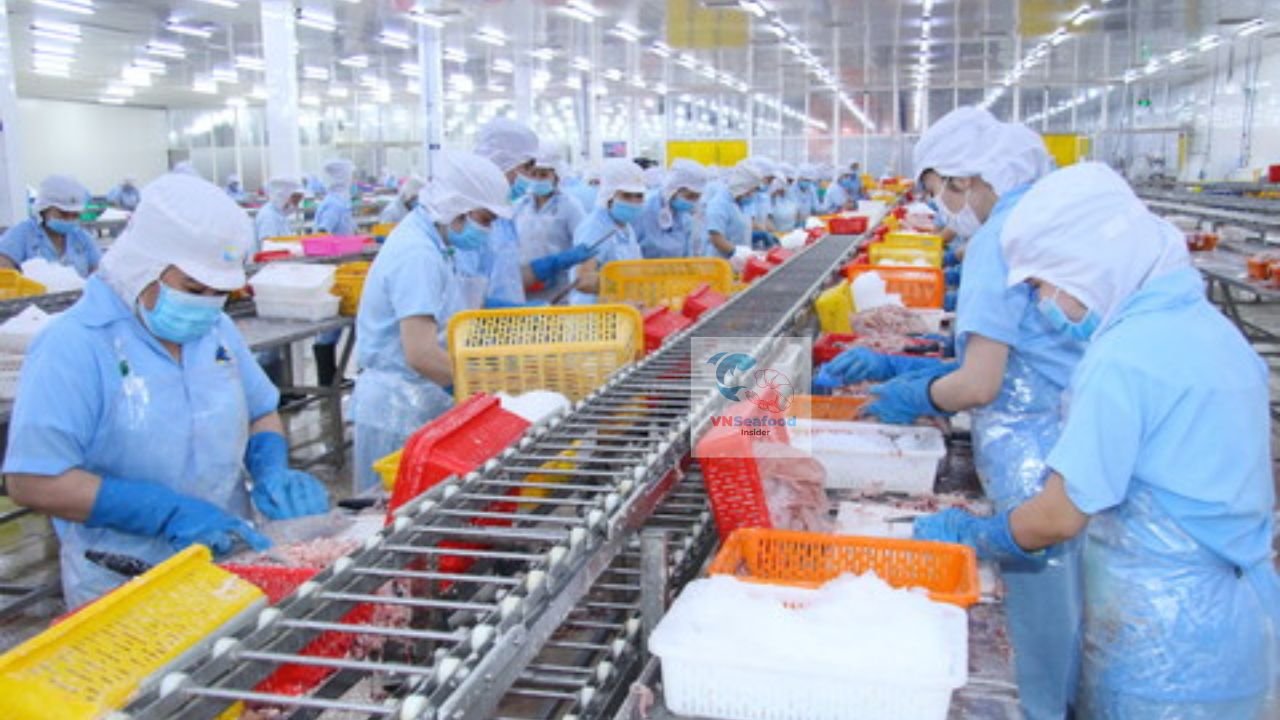
Vietnam also offers a competitive price point compared to suppliers in Indonesia, Australia, or the Americas. Combined with established shipping routes to major ports worldwide, it’s easy to see why frozen snapper from Vietnam has found its way into supply chains across five continents.
Available Product Formats from Vietnamese Red Snapper Suppliers
A reliable Red Snapper Vietnam Supplier typically offers these product formats:
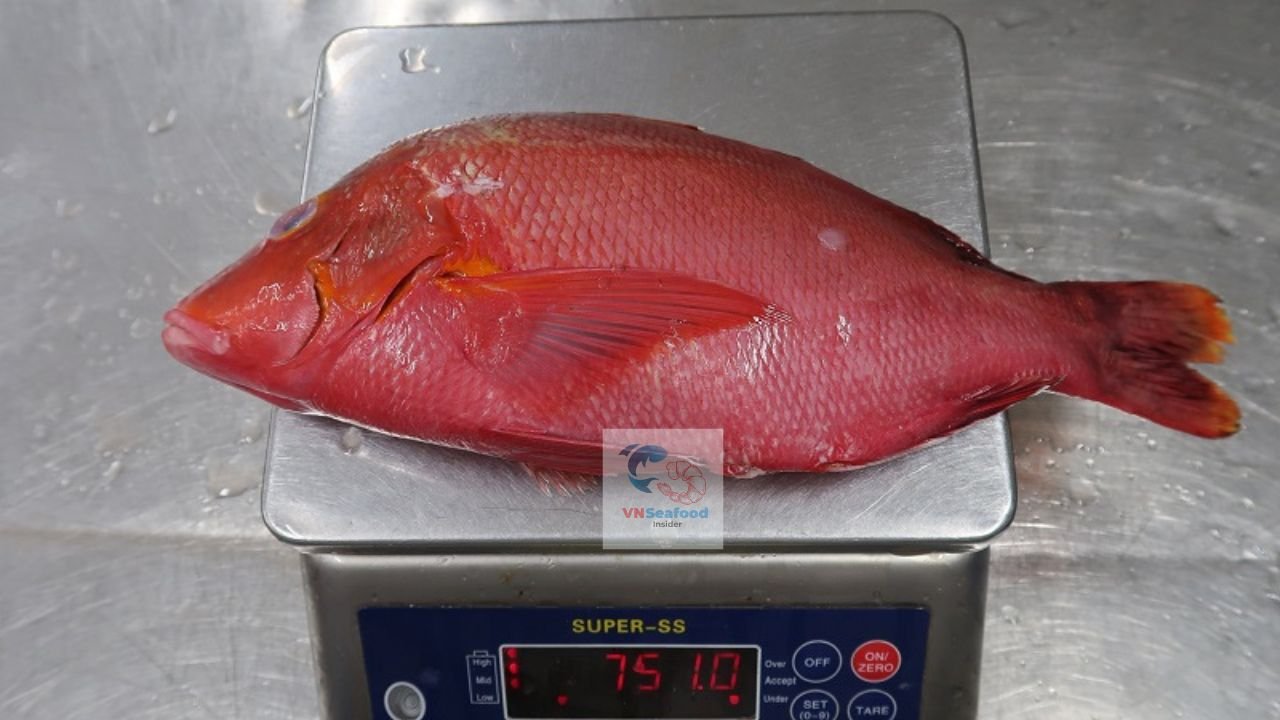
- Whole Round — minimal processing, maximum freshness retention. Common size range is 600–1,000g per piece, which hits the sweet spot for restaurant and institutional buyers
- Fillets — portioned and ready for further processing or direct retail sale
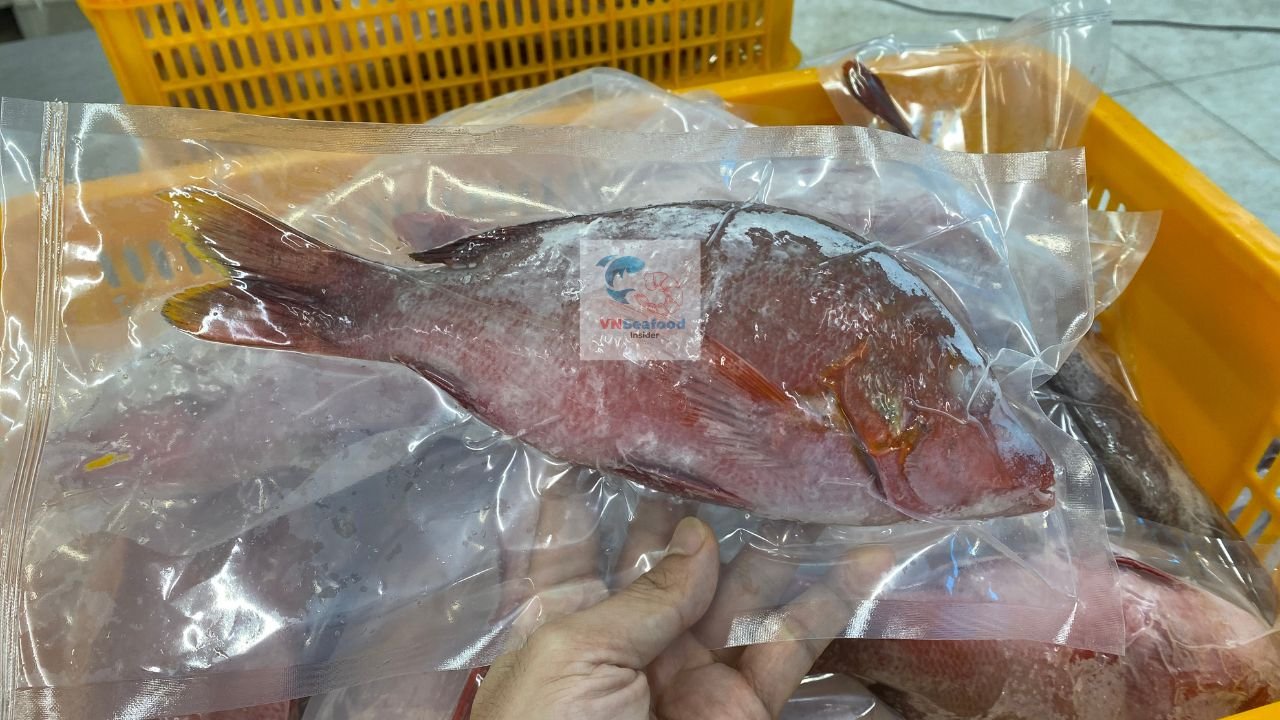
Standard packing runs bulk 10kg per box, though many suppliers now offer IVP (Individual Vacuum Pack) upon request. IVP is increasingly popular for retail seafood and premium food service accounts where portion control and presentation matter.
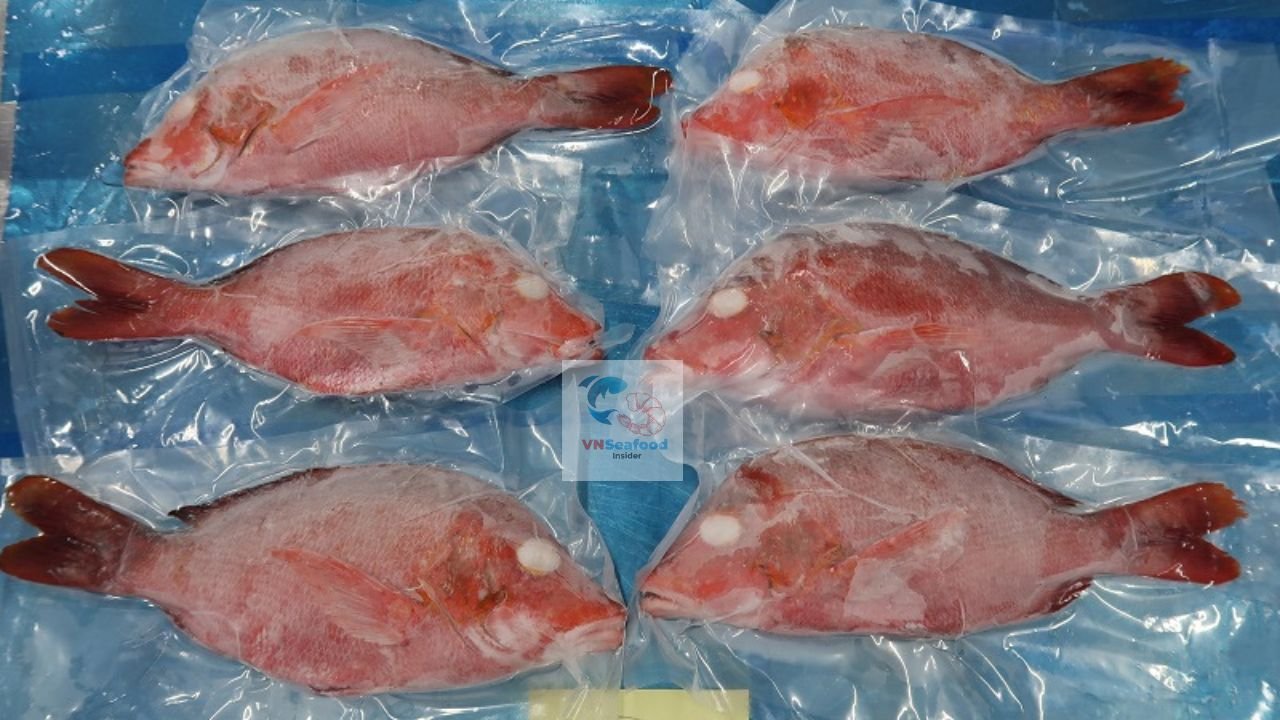
If you need custom specifications — specific size grades, skin-on versus skinless fillets, or particular glazing percentages — most established suppliers can accommodate these. Just communicate your requirements clearly during the inquiry stage.
How to Evaluate a Red Snapper Vietnam Supplier Before Buying
Finding a supplier is easy. Finding one you can trust with a $30,000 container order? That takes a bit more work. Here’s how VNSeafoodInsider recommends you approach the vetting process — because a little due diligence now saves enormous headaches later.
The Non-Negotiable Documentation Checklist
Before you negotiate price or discuss shipping terms, confirm that your potential Vietnamese snapper supplier can provide:
- HACCP certification for their processing facility
- Health certificate issued by Vietnam’s NAFIQAD (the national authority for fishery quality assurance)
- Certificate of Origin with correct species identification (Latin name required)
- Export license valid for your destination country (if required)
- Third-party lab test results for histamine, heavy metals, and microbiological contaminants
If a supplier cannot produce these documents within a reasonable timeframe, move on. There are plenty of legitimate seafood exporters in Vietnam who can.
Quality Signals That Separate Good Suppliers from Bad Ones
Documentation gets you to the table. Quality keeps you there. Here’s what VNSeafoodInsider looks for:
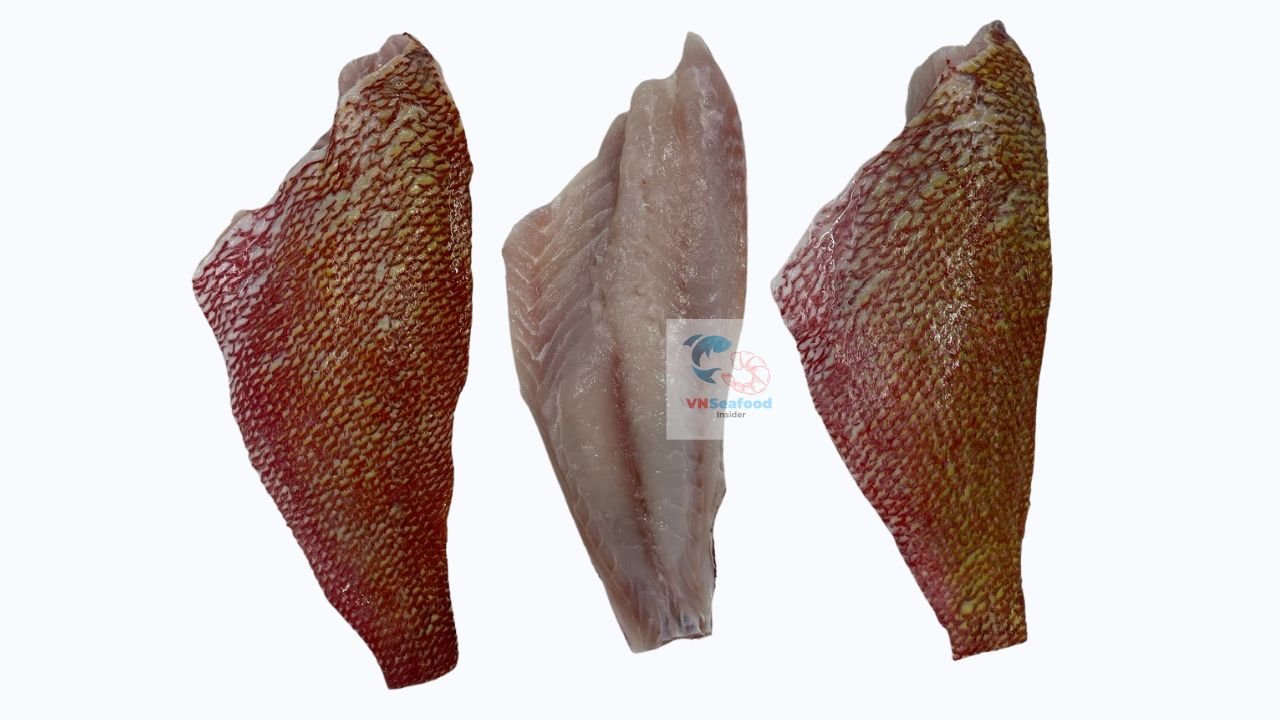
Consistent sizing. If you order 600–800g whole round snapper and receive boxes with fish ranging from 400g to 1.2kg, that supplier has a grading problem. Good suppliers maintain tight size tolerances because they’ve invested in proper sorting processes.
Clean glazing practices. Excessive ice glazing is the oldest trick in the frozen seafood playbook — you’re essentially paying fish prices for water. Reputable suppliers will state the net weight and glazing percentage clearly. Ask for it in writing.
Transparent communication. When you ask a supplier what species they’re shipping, the answer should be immediate and specific. “It’s red snapper” isn’t an answer — “Lutjanus malabaricus, wild-caught from central Vietnam coast” is an answer.
Willingness to send samples. Any supplier confident in their product will send a trial box before you commit to a full container. If they resist this, ask yourself why.
Red Flags to Watch for When Vetting Red Snapper Vietnam Suppliers
After years of watching this market, certain warning signs have become almost predictable:
- Vague species labeling — if they insist on calling everything “red snapper” without specifying the Lutjanus species, they either don’t know or don’t care. Both are dangerous.
- Prices dramatically below market — if the quote seems too good to be true, you might be looking at mislabeled species, excessive glazing, or quality shortcuts during processing.
- No facility photos or virtual tour availability — legitimate seafood processing facilities in Vietnam are generally proud of their operations and happy to show them.
- Resistance to third-party inspection — if you propose a pre-shipment inspection by SGS, Bureau Veritas, or a similar agency and the supplier pushes back, that’s your cue to walk away.
See more: Seafood quality control guide
How to Find Verified Red Snapper Suppliers in Vietnam
Knowing what to look for is half the battle. Knowing where to look is the other half. Not all sourcing channels deliver equally, and the most obvious paths aren’t always the most productive.
Sourcing Channels That Actually Work
Industry trade shows remain one of the most effective ways to meet Vietnam seafood suppliers face-to-face. Vietfish (Ho Chi Minh City) is the largest domestic seafood exhibition. Seafood Expo Global (Barcelona) and Seafood Expo North America (Boston) also attract Vietnamese exporters who are serious about international trade.
B2B seafood platforms — including specialized directories and industry networks — can help you identify verified snapper exporters. Just be cautious about platforms where anyone can list without verification.
And honestly? Sometimes the best leads come from talking to other importers. The seafood importing community is smaller than you’d think, and people generally know who delivers consistently and who doesn’t.
What to Include in Your First Inquiry to a Red Snapper Supplier
Your first email sets the tone for the entire relationship. Make it count by including:
- Target species (with Latin name if possible)
- Product format — whole round, fillets, H&G, etc.
- Size specification — weight range per piece
- Estimated volume — monthly or per shipment
- Destination port and country — this affects documentation requirements
- Required certifications — FDA registration, EU approval, BRCGS, MSC, etc.
- Packing preferences — bulk, IVP, or specific retail packaging
A detailed first inquiry signals to the supplier that you’re a serious buyer, not someone casually collecting quotes. Good Red Snapper Vietnam Suppliers prioritize serious inquiries — and they can tell the difference.
Frequently Asked Questions About Red Snapper Vietnam Suppliers
We hear these questions constantly from importers who are navigating snapper sourcing from Vietnam for the first time — and sometimes from veterans who realize they’ve been operating on assumptions.
Can I label Vietnamese snapper as “red snapper” for the US market?
No. The FDA restricts the market name “red snapper” exclusively to Lutjanus campechanus, which is not commercially harvested in Vietnam. Vietnamese snapper species must be labeled with their FDA-acceptable market names — such as “Malabar Snapper,” “Crimson Snapper,” or “Mangrove Snapper.” Mislabeling can result in import detention, product seizure, and long-term complications with FDA compliance. Always verify the acceptable market name on the FDA Seafood List before finalizing your labels.
What is the difference between red snapper and tropical snapper from Vietnam?
“Tropical snapper” is a trade name sometimes applied to Lutjanus russellii (Russell’s snapper) and occasionally to other Lutjanidae species from Southeast Asian waters. It’s a broader, less regulated commercial term. The key difference is regulatory — in the US, each Lutjanus species has a specific acceptable market name, and “tropical snapper” may or may not be acceptable depending on the actual species. Always confirm the Latin name with your supplier.
What is the typical price range for frozen red snapper from Vietnam?
Pricing fluctuates based on species, size, product format, season, and order volume. As a general range, frozen whole round snapper (600–1,000g) from Vietnam typically falls between $3.50–$6.00 per kilogram FOB, while fillets command higher prices depending on specifications. VNSeafoodInsider recommends requesting quotes from at least two – three suppliers to benchmark current market pricing. Be wary of quotes that fall significantly below this range.
What certifications should I require from a Vietnamese red snapper supplier?
At minimum: HACCP certification, a valid health certificate from NAFIQAD, and FDA registration (if importing to the US). For European markets, EU approval is essential. Additional certifications like BRCGS, ASC, or MSC can add value for retail channels and demonstrate higher operational standards. The right certification mix depends on your destination market and buyer requirements.
How long does it take to receive a trial shipment from Vietnam?
A typical trial shipment — from order confirmation to arrival at your destination port — takes approximately 4–6 weeks. This includes 1–2 weeks for processing and packing, plus 2–4 weeks for ocean freight depending on the destination. Some suppliers can expedite production if they have inventory in stock. Air freight is available for urgent sample orders but significantly increases cost. VNSeafoodInsider suggests planning your first trial order with generous lead time to avoid pressure-driven decisions.
The bottom line? Sourcing snapper from Vietnam is absolutely worth pursuing — the quality is there, the pricing is competitive, and the supply is consistent. But success depends on understanding exactly what you’re buying, working with transparent suppliers, and getting your documentation right from day one. At VNSeafoodInsider, we believe the importers who do their homework are the ones who build lasting, profitable supply chains. And now, you have the homework answers.
