Two Vietnamese White Fish Species Buyers Compare Most Often
Vietnam sends a lot of white fish around the world. Two names dominate the conversation. Pangasius and tilapia.
Why Pangasius and Tilapia Are Frequently Compared
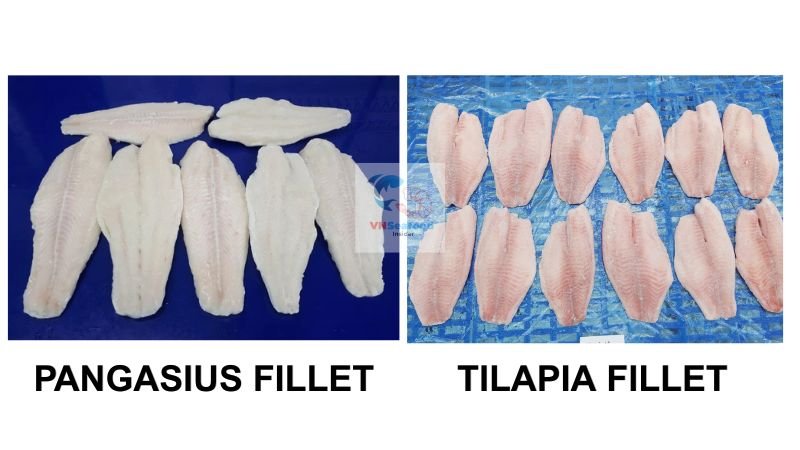
Both are freshwater fish. Both come as white fillets. Both sit in the same freezer aisle and often on the same restaurant menu. To a consumer, they can look almost identical on a plate.
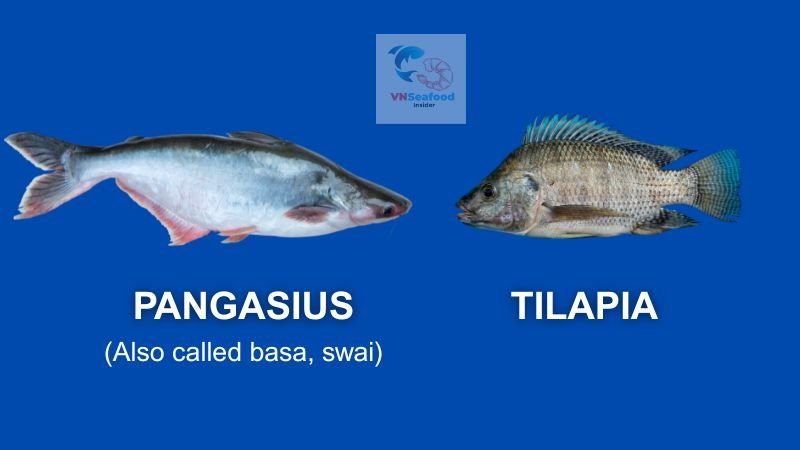
That is exactly why the Pangasius vs Tilapia debate never ends. Buyers see two similar products with different price tags and want to know what they are really paying for.
What This Guide Will Help You Decide
VNSeafoodInsider will walk you through farming, supply, texture, price behavior, and market positioning. No fluff. Just the numbers and the practical takeaways you need before you place an order.
What Pangasius and Tilapia Have in Common
Before we separate them, let us be fair. These two fish share more than people assume.
Large-Scale Farming Standards in Vietnam
Both species are farmed in Vietnam at a serious commercial scale. This is not backyard aquaculture. Farms follow documented protocols, feed schedules, and water management practices that have been refined over decades.
ASC and BAP Certification Availability
Many farms for both species hold ASC and BAP certification. If your retail customer demands a sustainability label, Vietnam can supply it for pangasius and tilapia alike. That removes one variable from your decision.
Meat Quality Compared to Other Producing Countries
Here is something VNSeafoodInsider says with quiet confidence. When these two species are raised in Vietnam, the meat quality ranks among the best in the world. The Mekong Delta water, the feed discipline, and the processing technology all contribute. Same species, different country, different result.
Pangasius Farming and Supply Characteristics
Now the differences start. And they matter more than most buyers expect.
Vietnam’s Position as the Leading Pangasius Producer
Vietnam is the largest pangasius producer on earth. The largest. That single fact shapes everything downstream: price, volume, lead time, and negotiating power.
Farming Density and Land Use Efficiency
Pangasius is stocked at 30 to 50 fish per square meter. That is dense. Very dense. The fish tolerate it well, which means farmers produce enormous tonnage without needing enormous land.
Total Farming Area and Annual Production Volume

The numbers tell the story. Roughly 6,000 hectares of farming area produce about 1.6 million tons per year. Read that again. Six thousand hectares. One point six million tons.
Read more: Inside Vietnam Pangasius Farming — What Every Seafood Importer Must Know
Feed Protein Requirements for Pangasius
Pangasius feed sits at 26 to 30 percent protein. Lower protein means cheaper feed. Cheaper feed means lower farm gate price. That saving travels all the way to your purchase order.
Price Competitiveness and Supply Stability
Put it together and you get the pangasius advantage: big volume with stable supply.
You order, you receive. The frozen pangasius fillet price stays more competitive than other white fish because the whole system — farming, processing, export — is industrialized and predictable.
Pangasius Meat Profile and Culinary Applications
Supply is one thing. What lands on the plate is another.
Mild Flavor and Ingredient Versatility
Pangasius has a mild, neutral flavor. Chefs love that.
It absorbs sauces, marinades, and spices without fighting back. Breaded, grilled, curried, steamed in soy — it plays along.
Risk of Soft Texture from Over-Processing
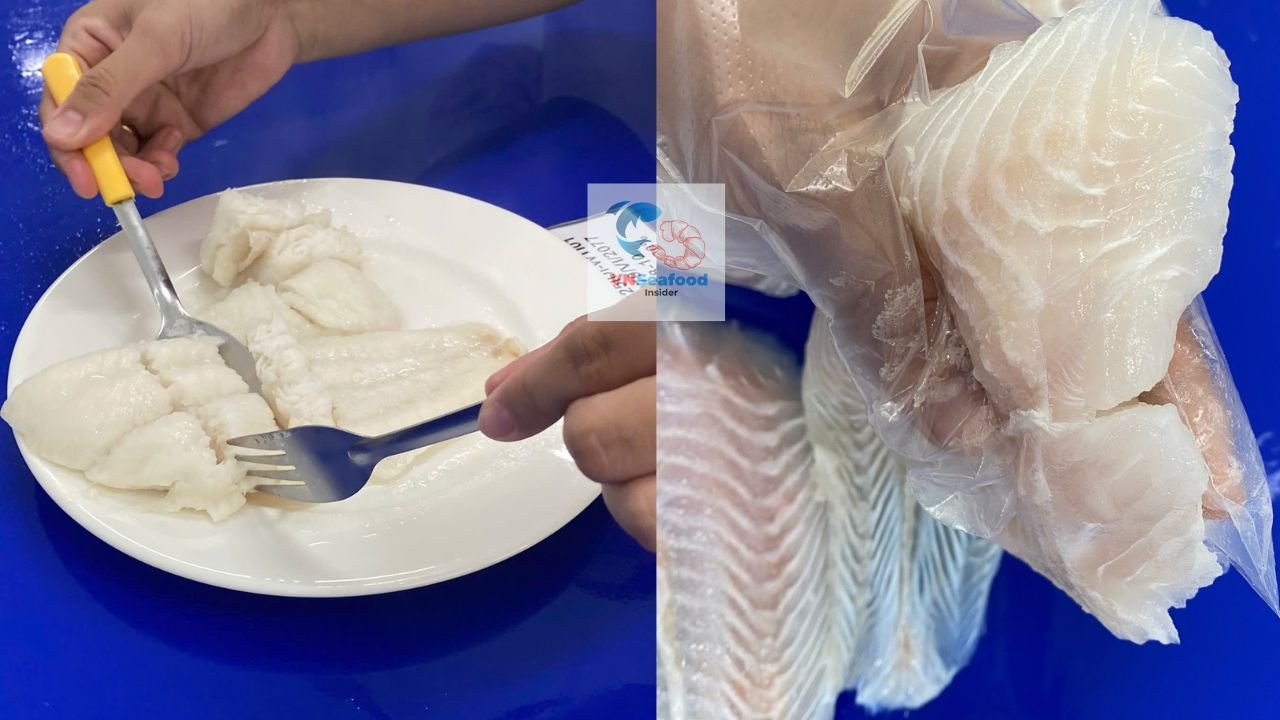
Here is the honest weakness. If the fillet is over-treated during processing, the meat turns soft.
Too much soaking, too much additive, and your customer notices immediately. This is not a specific problem. It is a supplier problem. Choose a processor with tight treatment control and the issue disappears.
Tilapia Farming and Supply Characteristics
Tilapia is the newer story in Vietnam, and it is an interesting one.
Tilapia’s Global Popularity as a White Fish
Tilapia is one of the most recognized white fish in the world. Consumers in North America, Europe, and the Middle East already know the name. That brand awareness is worth real money at retail.
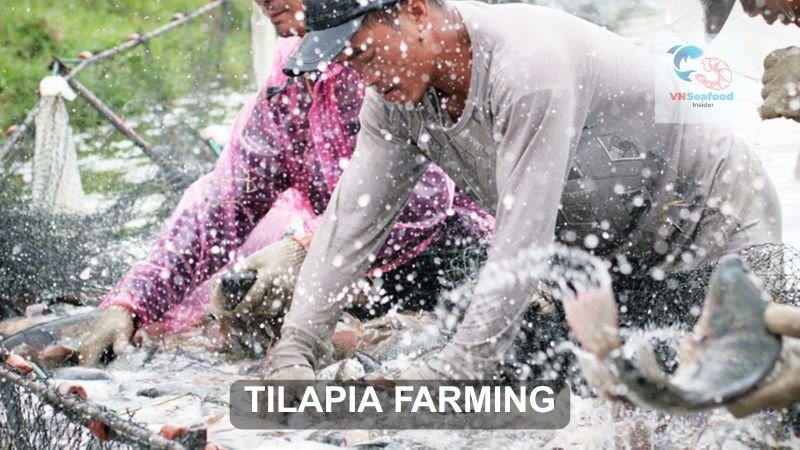
Farming Density Compared to Pangasius
Tilapia is stocked at only 2 to 5 fish per square meter. Compare that to pangasius at 30 to 50. Tilapia needs space, and space costs money.
Total Farming Area Versus Total Production Volume
The contrast is striking. Vietnam’s tilapia farming area is around 42,000 hectares — seven times larger than pangasius. Yet total output is just over 300,000 tons. Seven times the land, one fifth the volume. That single comparison explains most of the price gap.
Feed Protein Requirements for Tilapia
Tilapia needs richer feed: 28 to 32 percent protein, and up to 35 percent at the fingerling stage. Higher protein, higher feed cost, higher production cost.
Why Tilapia Supply Is Less Stable Under Demand Spikes
Vietnam’s tilapia sector has only scaled up meaningfully in the last two years. The base is still thin.
When global demand surges, prices jump fast because there is no deep buffer of inventory. Pangasius absorbs demand shocks. Tilapia amplifies them.
Read more: Vietnam Tilapia Farming: How Farm-Gate Prices Doubled
Tilapia Meat Profile and Market Positioning
So why buy it? Because texture sells.
Firmer Texture as a Key Differentiator
Tilapia meat is firmer than pangasius. It holds shape on the grill, survives a hot pan, and gives that satisfying flake consumers associate with “real fish.” For a chilled retail pack sold at eye level, that firmness justifies a premium.
Price Volatility and Competitive Impact
The flip side: when the market runs hot, tilapia prices spike. Your margin math from last quarter stops working. In the Pangasius vs Tilapia cost comparison, tilapia simply cannot match pangasius on stability.
Pangasius vs Tilapia: Side-by-Side Comparison
Sometimes a straight list beats three paragraphs of prose.
Farming Density and Land Efficiency
Pangasius: 30–50 fish/m². Tilapia: 2–5 fish/m². Pangasius wins by a wide margin.
Production Volume and Supply Reliability
Pangasius: 1.6 million tons from 6,000 ha. Tilapia: 300,000 tons from 42,000 ha. Pangasius wins.
Feed Cost and Protein Requirements
Pangasius: 26–30% protein. Tilapia: 28–35% protein. Pangasius wins on cost.
Price Stability and Competitiveness
Pangasius holds steady. Tilapia spikes under demand pressure. Pangasius wins.
Meat Texture and Flavor Profile
Pangasius: mild, versatile, softer. Tilapia: firmer, familiar, premium-friendly. Tilapia wins here.
Four to one on paper. But that fifth point is often the one your customer actually pays for.
Choosing Between Pangasius and Tilapia by Market Strategy
Forget the scoreboard. Start with your business model.
Mass Market and Cost-Optimization Strategy: Why Pangasius Wins
If you sell on volume and margin, choose pangasius. It delivers the best returns for wholesalers, distributors, and foodservice operators. The buying price is competitive, and the product formats are endless: fillet, steak, butterfly, portion cuts, marinated and seasoned lines. One species, a dozen SKUs.
Premium and Retail Positioning Strategy: Why Tilapia Wins
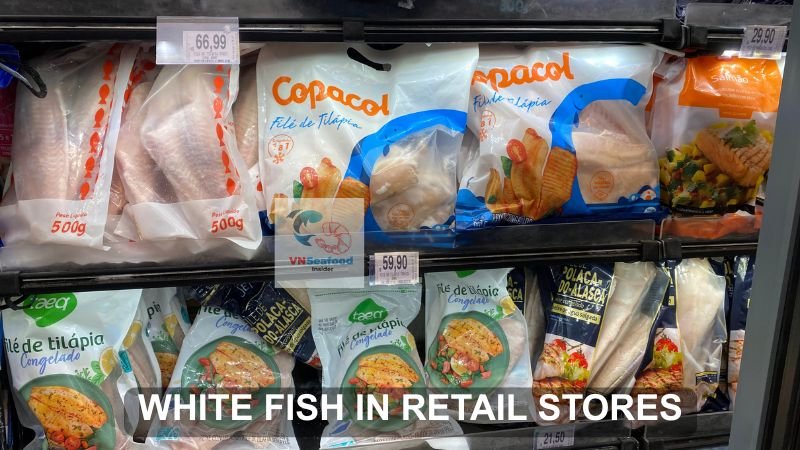
If you are entering the premium retail shelf, choose tilapia. Consumers who already know tilapia will pay more for IQF fillets carrying an ASC label in attractive packaging. That is a chilled-case product with a story, and stories sell at retail.
Matching Fish Choice to Consumer Habits in Your Target Market
This is the real deciding factor. Study the consuming habits in your target market.
What do shoppers already buy?
What do local chefs already cook?
The best white fish sourcing decision follows existing demand instead of trying to create it from scratch.
Practical Considerations for International Buyers
A few closing notes from the trenches.
Foodservice and Wholesale Buyers
Lock in pangasius contracts ahead of peak season. Specify treatment levels and moisture content in writing. Your texture complaints will drop to near zero.
Retail and Private Label Buyers
For tilapia, secure certification documents early and build price volatility into your annual plan. Do not assume Q1 pricing holds through Q4.
Sourcing Both Species from Vietnam
Plenty of buyers run both. Pangasius covers the volume business. Tilapia covers the premium shelf. One country, one shipping lane, two positions in your portfolio. That is not indecision. That is strategy.
Pangasius vs tilapia: There Is No Universal Answer, Only the Right Fit
Key Takeaways for Buyers Evaluating Pangasius vs Tilapia
Pangasius gives you scale, stability, and price. Tilapia gives you texture, recognition, and premium positioning. Both come from Vietnam with credible certification and world-class meat quality. The Pangasius vs Tilapia question is not about which fish is better. It is about which fish matches your customer.
Next Steps for Sourcing from Vietnam
Define your segment. Check your consumer’s habits. Then request samples of both and let your own market decide. VNSeafoodInsider has watched enough buyers guess wrong to know that a test shipment costs far less than a wrong annual contract.
