
US Pangasius Import Trends in H1 2026
Before we dig into the “why,” let’s ground ourselves in the actual data. Context matters — especially when the global pangasius trade is sending mixed signals depending on which market you’re looking at.
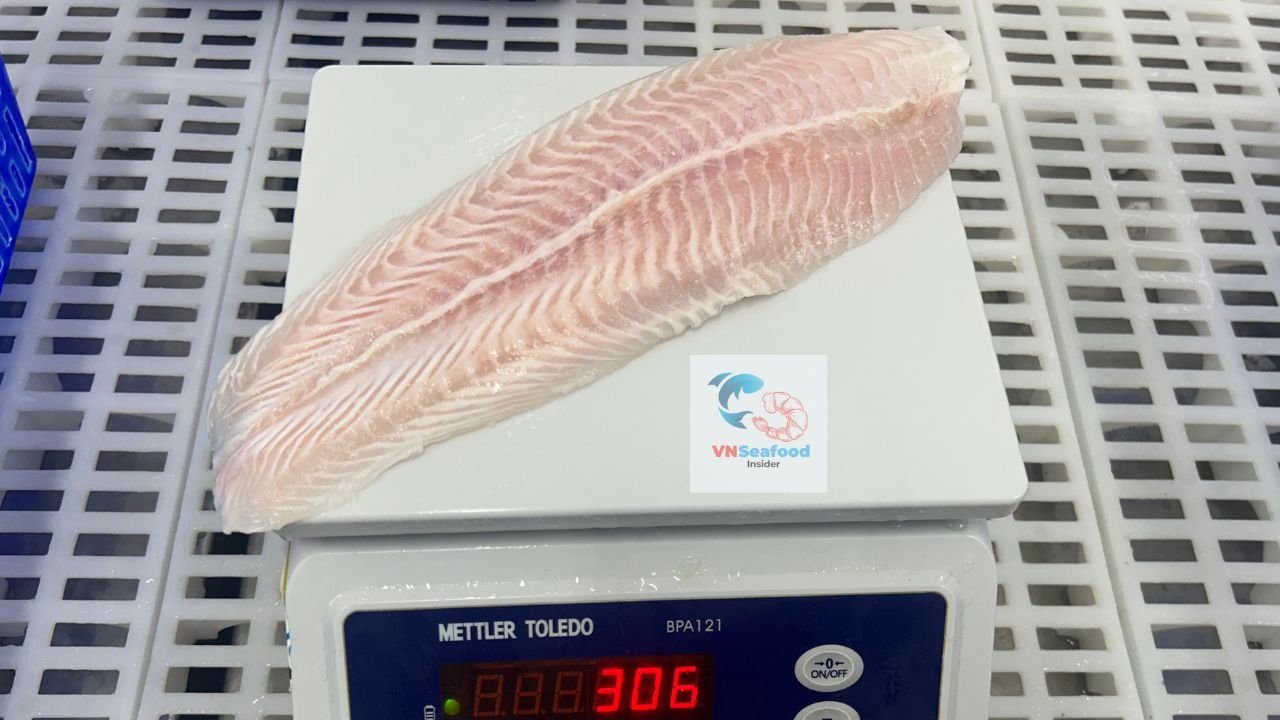
June 2026 Import Value and Year-on-Year Growth
In June 2026, Vietnam’s pangasius export value reached $205 million globally, marking a 5% increase compared to the same month in 2025. Cumulatively, the first half of 2026 brought in $1.1 billion — a solid 12% year-on-year jump.
Sounds great, right? It is — just not for every destination equally.
The US imported approximately $167 million worth of pangasius during H1 2026. That represents a 5% decline compared to the same period last year. In a year when the overall pangasius export pie is growing bigger, America’s slice is actually shrinking. That’s the kind of divergence that makes analysts lean forward in their chairs.
How the US Ranks Among Vietnam’s Pangasius Export Markets
Let’s put the US in perspective. At $167 million and a 15% share of total Vietnamese pangasius exports, the US pangasius market remains the second-largest destination. But China has sprinted ahead — far ahead.
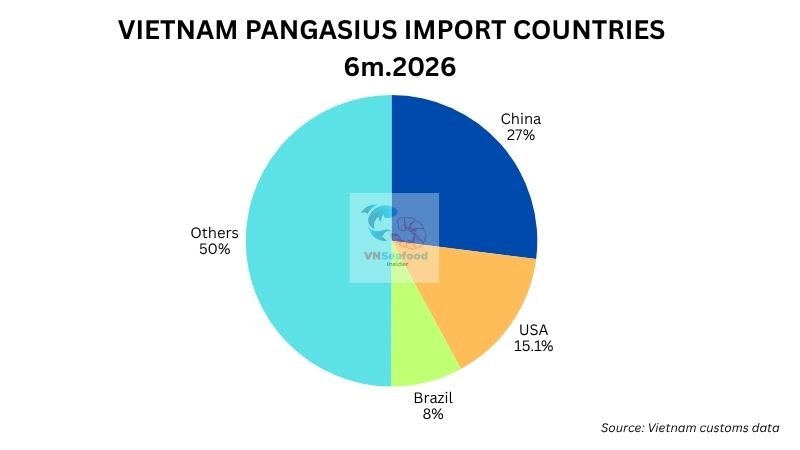
China absorbed $299 million worth of Vietnamese pangasius in H1 2026, commanding a 27% share and growing at a staggering 35% year-on-year. Meanwhile, Brazil, the third key market, imported $88 million (8% share) but posted a 12% decline.
So the US finds itself in an awkward middle ground: still significant, but losing momentum while its biggest rival buyer accelerates.
Why US Pangasius Imports Are Declining
A 5% decline doesn’t happen in a vacuum. Several forces are working together to dampen US demand for pangasius, and understanding them is critical if you’re involved in this trade — whether as a buyer, processor, or logistics partner.
Impact of Tariffs/ Regulation on Vietnamese Pangasius Shipments
Here’s where things get complicated — and frankly, a bit frustrating for exporters.
Vietnamese pangasius, commonly sold as swai in the US market, has been under anti-dumping investigation by the USDA for years. This isn’t new, but its effects continue to ripple through the supply chain. Every swai shipment entering the US must be delivered to an inspection house (commonly called an i-house) for FSIS inspection (https://www.fsis.usda.gov). Only shipments that pass inspection are cleared for consumption in the local market.
Think of it as a toll booth on a highway — except sometimes the line is long, the process is unpredictable, and the toll keeps changing.
This requirement creates a significant barrier. To export swai to the US, Vietnamese pangasius processing facilities need a representative or agent office in the US to handle logistics and compliance. Not every exporter can afford that infrastructure, which naturally limits the number of players and constrains supply.
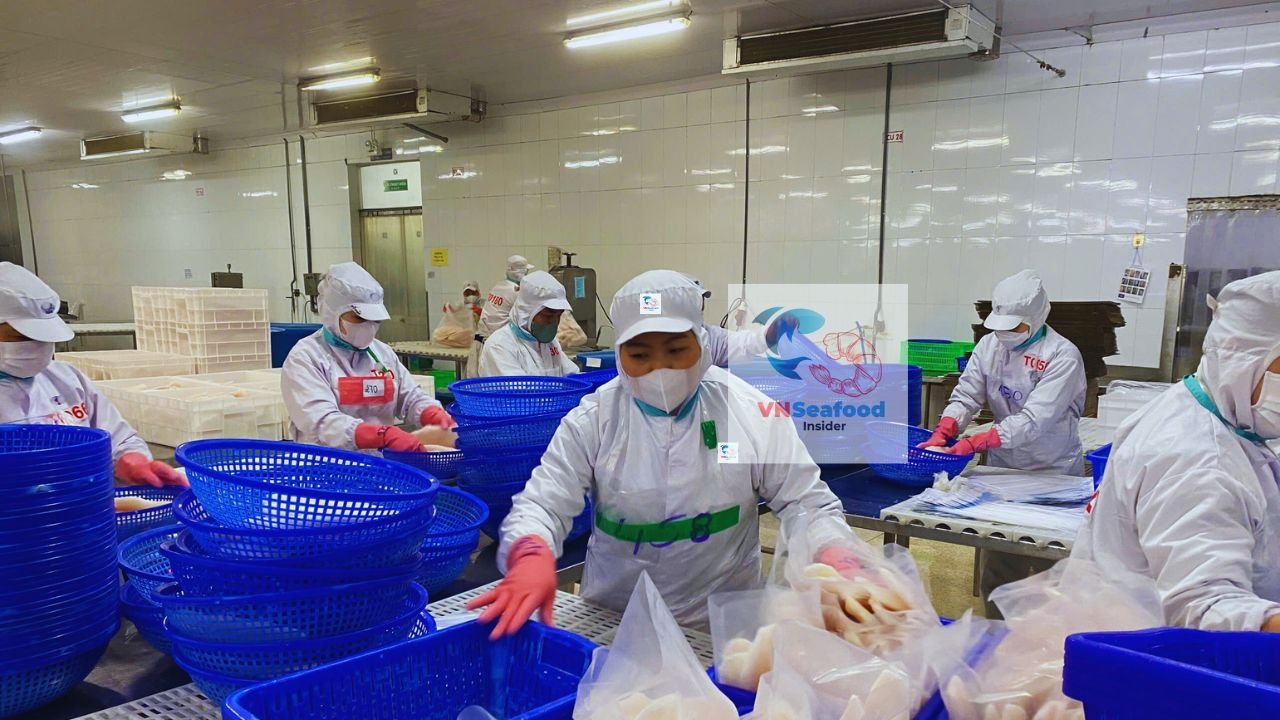
The tariff environment, combined with these procedural hurdles, has made some Vietnamese processors redirect their focus toward less burdensome markets.
Inventory Drawdown at US Distributors
Tariffs aren’t the only factor. US distributors built up substantial pangasius inventory during previous periods of heavy importing. That stockpile is still being worked through. When your warehouse is full, you simply don’t place new orders — regardless of how attractive the pricing might be.
This inventory overhang creates a temporary but real drag on import volumes. It’s a classic supply chain digestion problem. The appetite is there; the stomach just needs time to clear.
Comparing US Demand to China and CPTPP Markets
While the US hesitates, other markets are feasting. China’s pangasius imports surged 35% in H1 2026, reflecting genuine recovery in consumer demand across the country’s massive food service and retail channels. CPTPP member nations have also shown robust growth, benefiting from favorable trade terms and fewer regulatory hurdles.
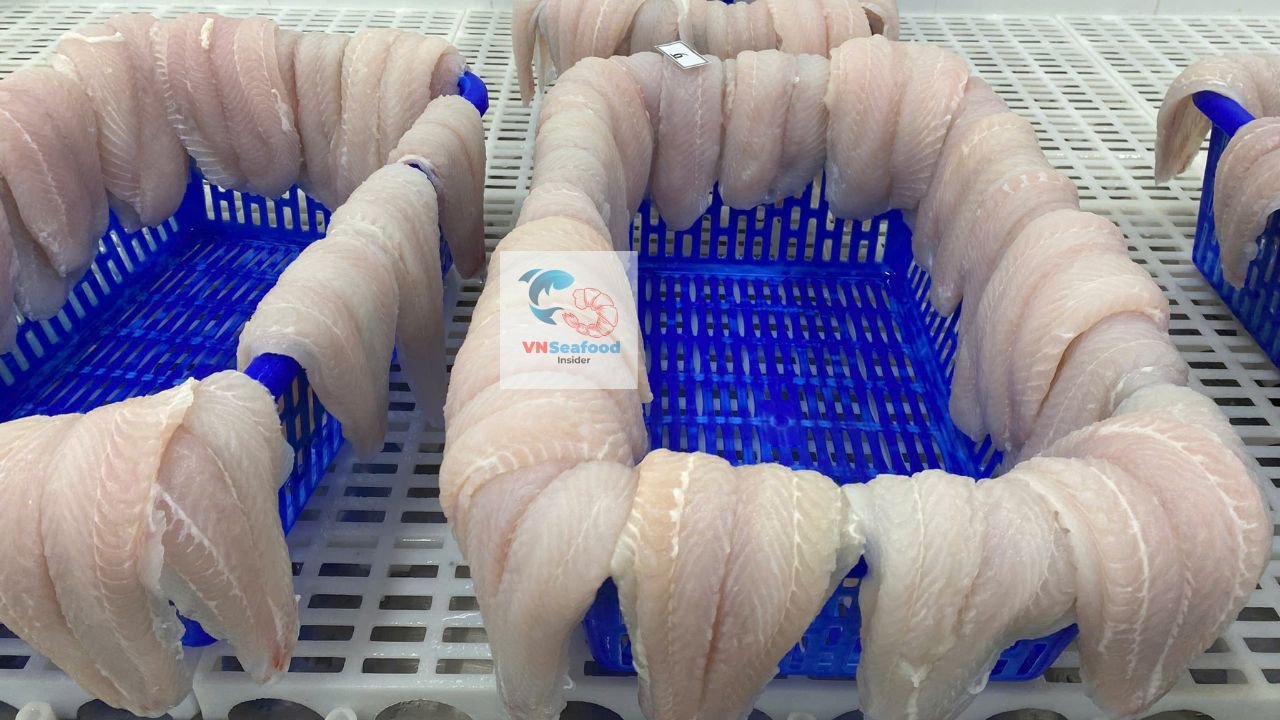
For Vietnamese exporters, the math is straightforward: why fight through anti-dumping inspections and agent requirements when China is buying aggressively with big quantity? This competitive pull from other destinations is quietly redirecting export capacity away from the US.
Supply-Side Factors Shaping US Pangasius Import Trends
The demand side only tells half the story. What’s happening at the farm and processing level in Vietnam has direct implications for pangasius supply to the US market.
Falling Fingerling Prices and Farmer Restocking Confidence
Good news from the Mekong Delta: fingerling prices have dropped notably, giving farmers renewed confidence to stock their ponds. Lower input costs mean better margins — or at least less financial anxiety — and farmers are responding by increasing their stocking rates.
This should eventually translate into greater supply availability. But aquaculture isn’t instant coffee; you can’t just add water and get results tomorrow. The fish need time to grow, and that lag matters.
Read more: Inside Vietnam Pangasius Farming — What Every Seafood Importer Must Know
Shortage of Small-Size Pangasius in the Current Supply
Here’s an ironic twist. Despite increased restocking activity, the current market is short on small-size pangasius. The fish that farmers stocked recently haven’t reached harvestable size yet, creating a temporary gap in supply — particularly for product specifications that certain markets prefer.
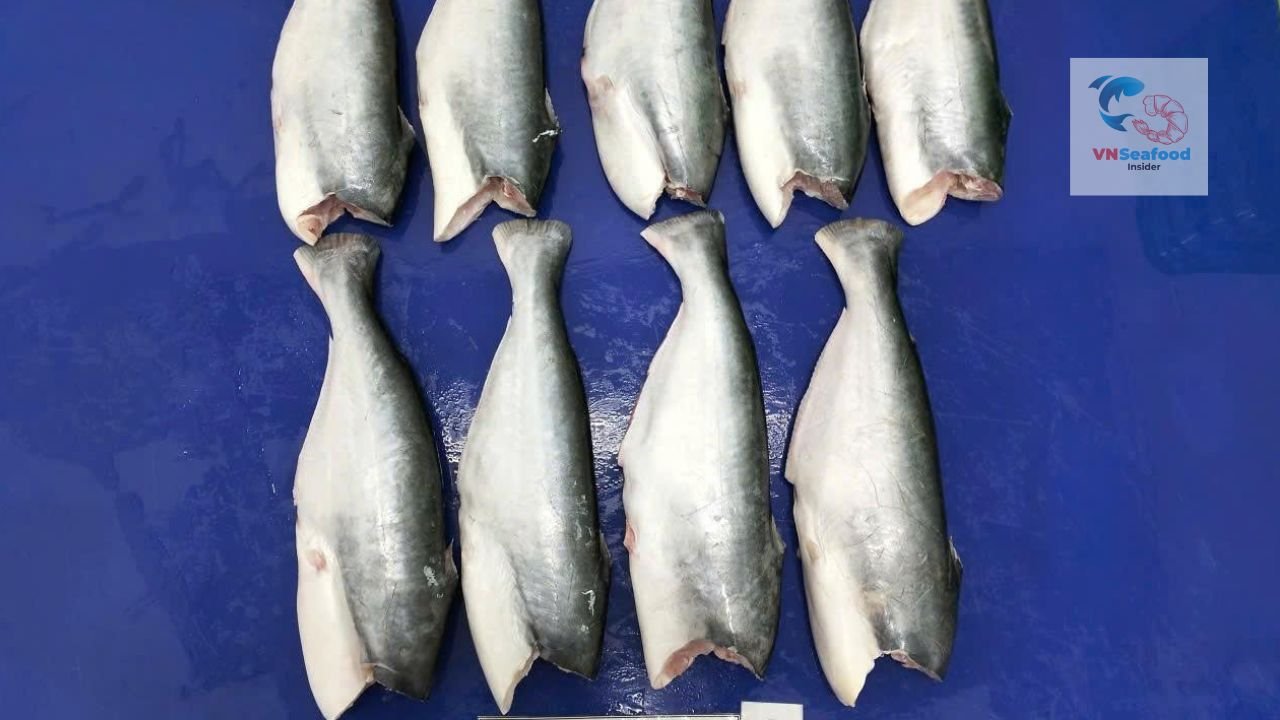
This shortage is putting upward pressure on prices and limiting the volume available for export, including to the US.
Recent Uptick in Raw Material Fish Prices
Partly because of the small-size shortage and partly because of strong demand from China, raw material pangasius prices have ticked upward recently. For US importers already navigating tariffs and inspection costs, rising procurement prices add another layer of complexity to their buying decisions.
It’s a bit like trying to fill your gas tank when fuel prices are climbing and there’s a surcharge at the pump. Every added cost makes you reconsider how much you really need.
Competitive Pressure from Other Whitefish Species
Pangasius doesn’t exist in isolation on American dinner plates. It competes directly with other whitefish species for shelf space and menu placement, and that competition is intensifying.
Tilapia as a Substitute in the US Whitefish Market
Tilapia remains pangasius’s most direct competitor in the US. It’s widely available, well-known to consumers, and doesn’t carry the same regulatory baggage as swai. When pangasius supply tightens or prices rise, buyers can — and do — pivot to tilapia without much hesitation.
The two species occupy overlapping price points in the value segment, making substitution almost frictionless. For US food service operators watching their margins, switching between the two is as easy as changing a line item on a purchase order.
Pollock Supply and Pricing Trends
Alaska pollock, the workhorse of the American whitefish market, also competes for attention. While pollock typically occupies a slightly different niche (think fish sticks and fast-food sandwiches), any significant shift in pollock pricing or availability can create ripple effects across the broader whitefish category.
When pollock is abundant and affordable, it pulls demand away from imported alternatives like pangasius. When pollock supply tightens, the reverse can happen. Right now, pangasius needs every competitive advantage it can get in the US market.
Read more: Top 5 Exotic Vietnam White Fish That Importers Should Consider
Outlook for US Pangasius Import Trends in H2 2026
So where do things go from here? At VNSeafoodInsider, we see reasons for both caution and cautious optimism.
Tariff and Trade Policy Considerations for Importers
The regulatory landscape isn’t likely to change dramatically in the second half of 2026. Anti-dumping investigation and USDA inspection requirements will remain in place, continuing to create friction for Vietnamese exporters.
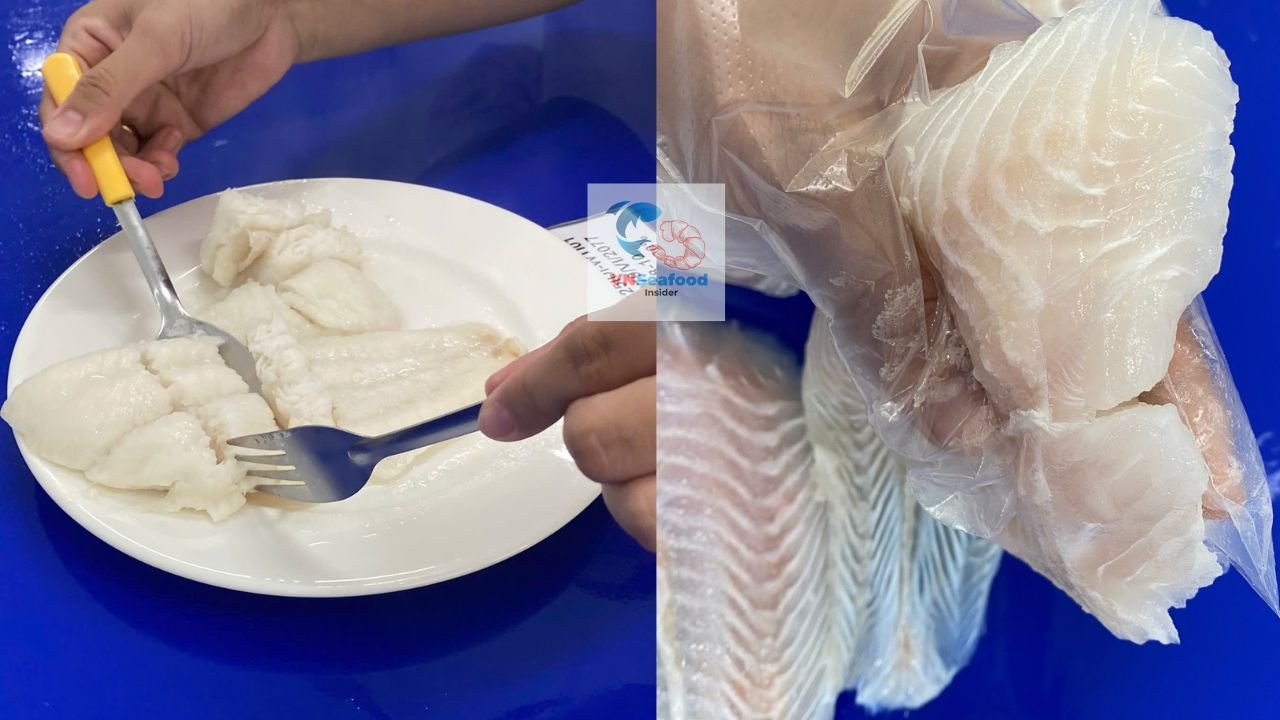
However — and this is important — pangasius pricing remains highly competitive compared to other imported whitefish and even domestically farmed US catfish. That price advantage is real, and it gives pangasius a foundation to maintain its presence in the market even under challenging conditions.
The value proposition hasn’t disappeared. It’s just harder to act on.
What US Buyers Should Watch in the Coming Months
If you’re sourcing pangasius for the US market, here’s what VNSeafoodInsider recommends keeping on your radar:
- Inventory levels at major US distributors. Once the current overhang clears, reordering activity should pick up. Timing your purchases ahead of that restocking wave could be advantageous.
- Vietnam’s harvest volumes in Q3. The fingerlings stocked earlier this year will start reaching market size. Increased supply could moderate raw material prices and improve availability.
- China’s buying pace. If Chinese demand plateaus or softens, more Vietnamese processing capacity could redirect toward the US. Conversely, continued Chinese acceleration would keep supply tight.
- Trade policy developments. Any shifts in tariff or inspection protocols could meaningfully change the cost equation for US imports.
The bottom line? US pangasius import trends in 2026 reflect a market under pressure from multiple angles — tariffs, inventory cycles, regulatory barriers, and fierce competition from other buyers and other species. But the underlying economics still favor pangasius in the US. The fish is affordable, versatile, and in demand with cost-conscious consumers. Explore full Vietnam Pangasius Guide.
The current dip looks more like a pause than a permanent retreat. And in the seafood trade, pauses have a way of ending when you least expect them.
