Vietnam’s Tuna Export Industry at a Glance
Before we get into specific companies, it helps to understand the playing field. Vietnam’s tuna sector isn’t some scrappy newcomer — it’s a mature, export-driven industry with serious scale.
Vietnam Tuna Export Performance in 2025 and Early 2026
In 2025, Vietnam tuna exports reached approximately $924 million, cementing the country’s position among the world’s leading tuna suppliers. That’s not a small number for a country that many buyers still associate primarily with shrimp and pangasius.
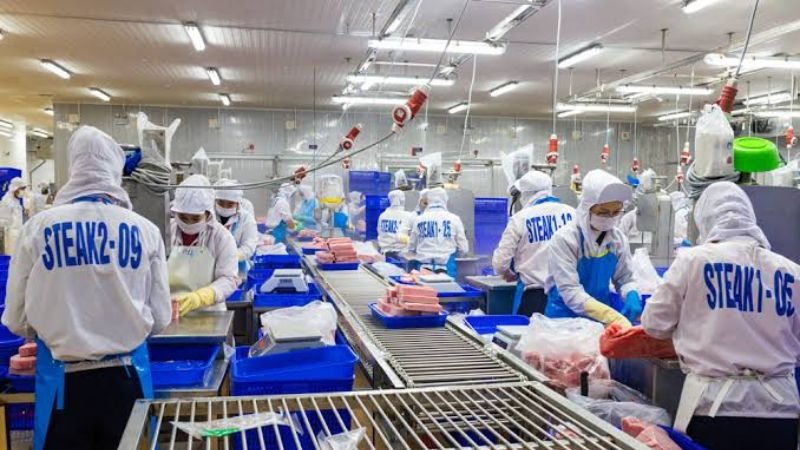
However, the first five months of 2026 have told a more complicated story. Exports totaled $367 million USD, representing a 7% decline compared to the same period in 2025. The dip isn’t catastrophic, but it signals shifting dynamics that smart buyers should pay attention to — more on that later.
Key Export Markets: US, EU, and Emerging Destinations
The United States remains the single largest destination for Vietnamese tuna products, absorbing over $140 million USD in the first five months of 2026 alone. That’s more than 38% of total export value. But here’s the catch: US-bound shipments dropped 14% year-over-year.
The European Union, traditionally a stronghold for Vietnamese tuna, posted $74 million USD in the same period — a steeper 19% decline. These numbers matter because they’re reshaping how Vietnam tuna processing companies think about market diversification, which creates both challenges and opportunities for buyers sourcing from alternative regions.
Fillet/Portion vs. Canned Tuna: Product Value Breakdown
Vietnam’s tuna export portfolio splits into two main categories, and the breakdown is surprisingly balanced:
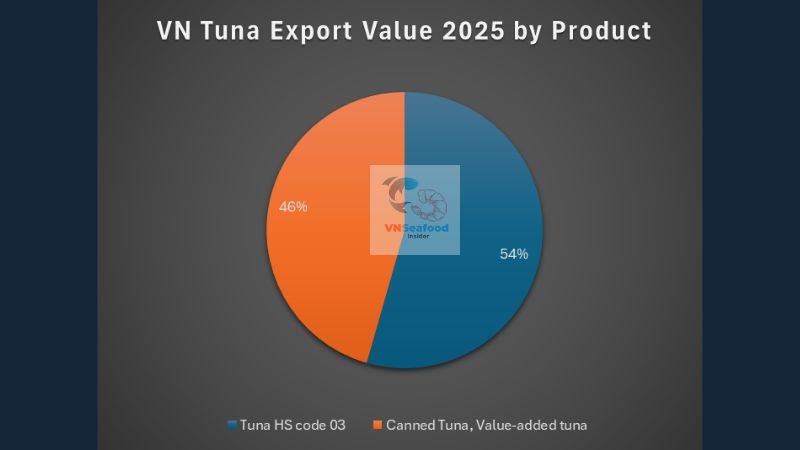
- Fillet and portion products: 54% of total export value
- Canned tuna and other value-added tuna: 46%
This near-even split is actually one of Vietnam’s strengths. Unlike some origins that lean heavily toward one product type, Vietnamese tuna processors offer the full spectrum — from hand-cut yellowfin loins destined for high-end foodservice to competitively priced canned skipjack for private-label retail programs.
Why International Buyers Source from Vietnam Tuna Processing Companies
You have options. Indonesia, Thailand, the Philippines, Ecuador — the list of tuna-producing nations is long. So why does Vietnam keep winning business?
Raw Material Access and Processing Capacity
Vietnam sits along some of the richest tuna fishing grounds in the Western Pacific. The central coastal provinces — particularly Binh Dinh, Phu Yen, and Khanh Hoa — serve as the backbone of the country’s tuna landing and processing infrastructure. Beyond domestic catch, leading Vietnam tuna processing companies also import raw materials from global sources, ensuring year-round production capacity regardless of local fishing seasons.
This dual-sourcing approach means factories rarely face the “sorry, we’re out of raw material” conversations that plague processors in some competing origins.
Certifications and Food Safety Standards (HACCP, BRC, MSC)
Let’s be honest — certifications are table stakes in 2026. But it’s worth noting that Vietnam’s top tuna factories don’t just check the boxes. Facilities routinely hold HACCP, ISO 22000, and BRC certifications, with several also carrying MSC chain of custody credentials for sustainably sourced products.
For buyers selling into European retail or US foodservice chains, these certifications aren’t optional. They’re the price of admission, and reputable Vietnamese tuna exporters understand this deeply.
Competitive Pricing and Value-Added Product Range
Here’s where Vietnam genuinely shines. Labor costs remain lower than Thailand’s, and the country’s processing efficiency has improved dramatically over the past decade. The result? Competitive pricing on everything from commodity-grade canned tuna to premium CO-treated yellowfin steaks.
More importantly, many processors have invested heavily in value-added tuna products — pre-marinated portions, seasoned loins, ready-to-cook formats — that carry better margins for both the factory and the buyer.
Leading Vietnam Tuna Processing Companies for Fillet and Portion Products
Now we get to the part you’ve been waiting for. Who are the actual players?
The fillet and portion segment represents the higher-value side of Vietnam’s tuna business. These companies process fresh and frozen yellowfin and bigeye tuna into loins, steaks, saku blocks, portions, and other formats for retail and foodservice markets worldwide.
Hai Vuong Group and Its Member Companies
If there’s a name that dominates the Vietnam tuna industry, it’s Hai Vuong Group. Described as one of the largest tuna and pelagic fish enterprises in Southeast Asia, Hai Vuong operates through an ecosystem of member companies that collectively cover importing, processing, and exporting.
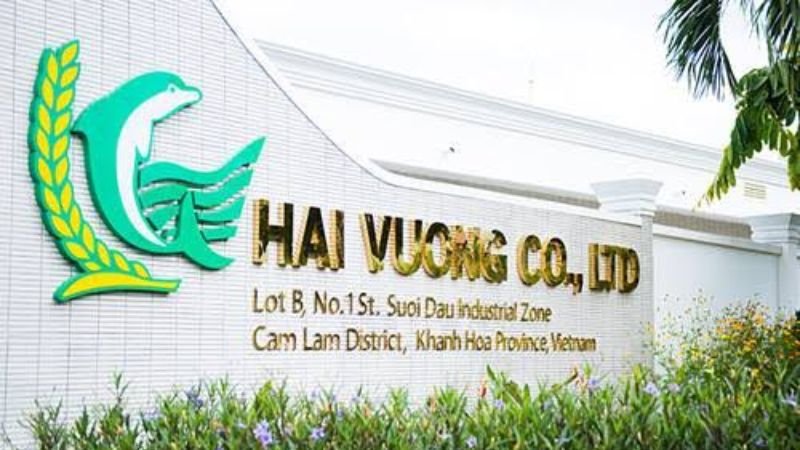
The group’s member companies include HAVUCO, Hai Long Nha Trang (Dragon Waves), Tuna Vietnam (Ca Ngu Viet Nam), and Nha Trang Bay (Vinh Nha Trang). This structure gives Hai Vuong enormous flexibility — and significant market share. The group’s website (haivuong.com) provides a window into their operations, though nothing replaces an actual factory visit.
For buyers seeking a single sourcing partner that can handle volume across multiple product formats, Hai Vuong is typically one of the first calls.
An Hai Fishery (AHFISHCO)
An Hai Fishery describes itself as the “largest processor and exporter of tuna and pelagic fish products in Vietnam” — a bold claim, but one backed by substance. The company is a joint-stock entity with capital contributions from Binh Dinh Seafood Company and Hai Vuong, positioning it at the intersection of local fishing infrastructure and export-oriented processing.
With approximately 800 employees and a modern processing facility, AHFISHCO (ahfishco.com) focuses on frozen tuna loins and portions. Their connection to Hai Vuong’s supply chain gives them raw material advantages that smaller processors simply can’t match.
Hai Trieu Food
Hai Trieu Food (haitrieufood.com) operates under the Nghi Son Foods Group umbrella, concentrating on processing and packaging seafood products with a strong emphasis on yellowfin tuna.Hai Trieu maintains steady production and has carved out a reliable position among Vietnamese tuna fillet exporters.
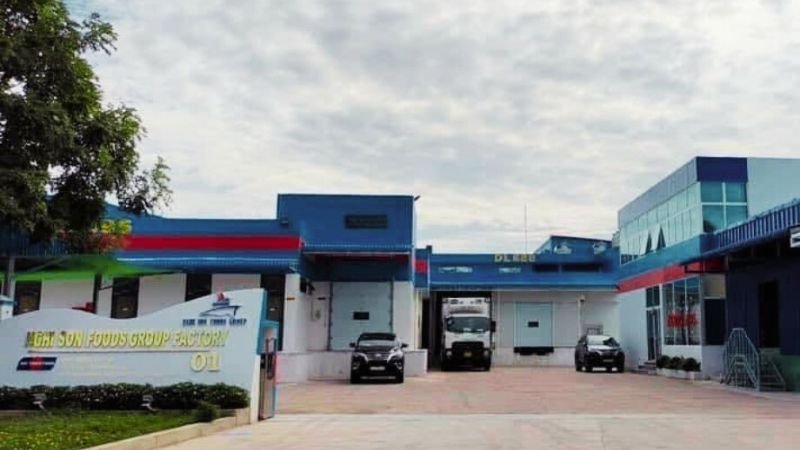
Think of them as the quiet professional in the room — less flash, consistent output.
Mariso Vietnam
Mariso Vietnam (marisofood.com) straddles both the fillet/portion and canned tuna segments, making them a versatile sourcing option for buyers who need multiple product categories from a single origin. Their processing capabilities cover frozen tuna products as well as canned formats, which we’ll revisit in the next section.
Mowi Vietnam
Yes, that Mowi — the Norwegian seafood giant. Their Vietnam operation, based in Bien Hoa, Dong Nai, serves as a processing hub. While Mowi is globally synonymous with salmon, their Vietnam facility handles tuna processing for export markets. The backing of a multinational parent company means strong quality systems and reliable compliance documentation — music to the ears of any procurement team navigating tuna supplier verification.
Leading Vietnam Tuna Processing Companies for Canned Tuna
The canned segment tells a different story. Here, scale matters enormously, and the competitive dynamics involve heavy capital investment in processing lines, sterilization equipment, and packaging technology.
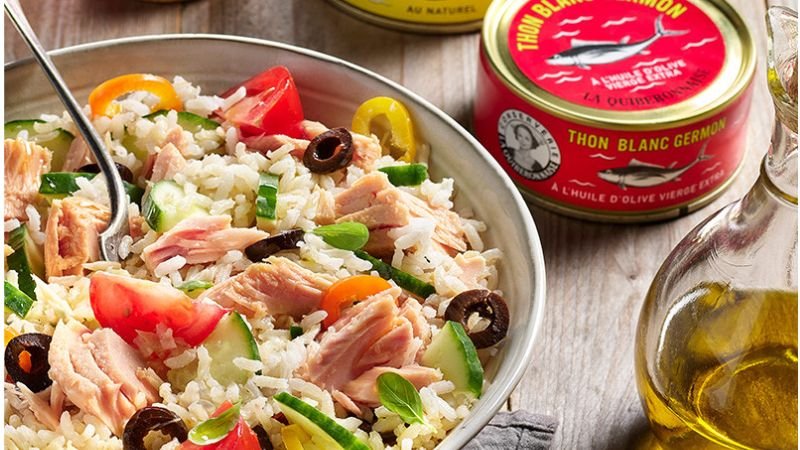
Viet Cuong Canning Co. (Thai Union Group)
Viet Cuong Canning Co. (formally Yueh Chyang Canned Food Co., Ltd) is arguably the most significant canned tuna operation in Vietnam, and for good reason — it belongs to Thai Union, the world’s largest canned tuna producer. With 1,216 employees as of 2024, this facility operates at a scale that few domestic competitors can match.
If you’re sourcing private-label canned tuna for major retail chains, Viet Cuong is likely already on your supplier shortlist. Thai Union ownership — yes, the parent company is Thai — means global quality standards, established logistics networks, and the kind of production consistency that large-volume buyers demand.
Tuna Vietnam Co., (Hai Vuong)
Here’s Hai Vuong again. Tuna Vietnam (Ca Ngu Việt Nam) is the group’s canned tuna arm, and it’s one of two companies that contribute heavily to Vietnam’s tuna exports to Italy — a market that knows a thing or two about quality canned fish.
The fact that Hai Vuong operates in both fillet/portion and canned segments through different subsidiaries makes the group uniquely positioned among Vietnam tuna processing companies.
Mariso Vietnam Canned Products
As mentioned earlier, Mariso Vietnam plays in both segments. Their canned tuna line complements their frozen product offerings, making them a practical choice for buyers who want to consolidate their Vietnam tuna sourcing through fewer supplier relationships.
Highland Dragon
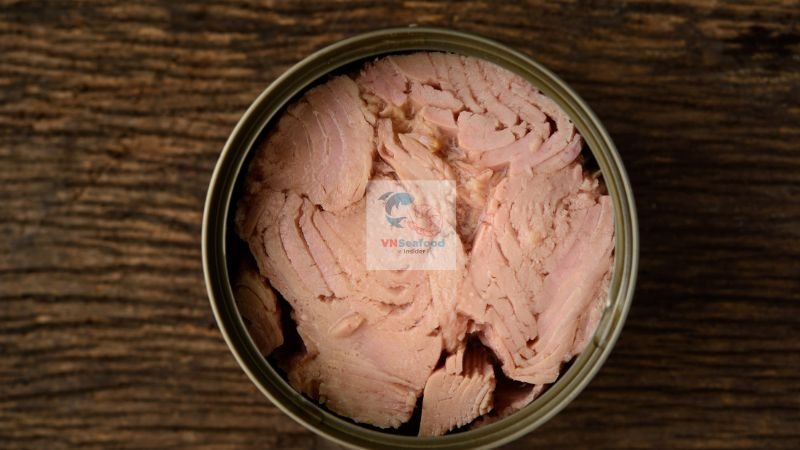
Highland Dragon (highlanddragon.com.vn) produces multiple canned tuna lines alongside frozen tuna loins. Their facility holds HACCP, ISO 22000, and BRC certifications — the full trifecta that serious buyers look for. For mid-volume buyers seeking a certified, independent (non-conglomerate) supplier, Highland Dragon deserves a closer look.
Foodtech JSC
Foodtech JSC (foodtechjsc.com) is described as one of Vietnam’s leading canned tuna exporters, headquartered in Long An province with a workforce of 501–1,000 employees. Their scale places them firmly in the mid-to-large category, and their location near Ho Chi Minh City offers logistics advantages for containerized exports through Cat Lai and Cai Mep ports.
How to Evaluate Vietnam Tuna Processing Companies Before Sourcing
Knowing the names is one thing. Knowing how to evaluate them — that’s where buyers protect themselves.
Verifying Production Capacity, Export History and Certificates
Ask for monthly throughput data, not just annual claims. Request customs export records. A factory that says it can produce 500 tons per month but has export records showing 100 tons is telling you something important — even if it’s not saying it out loud.
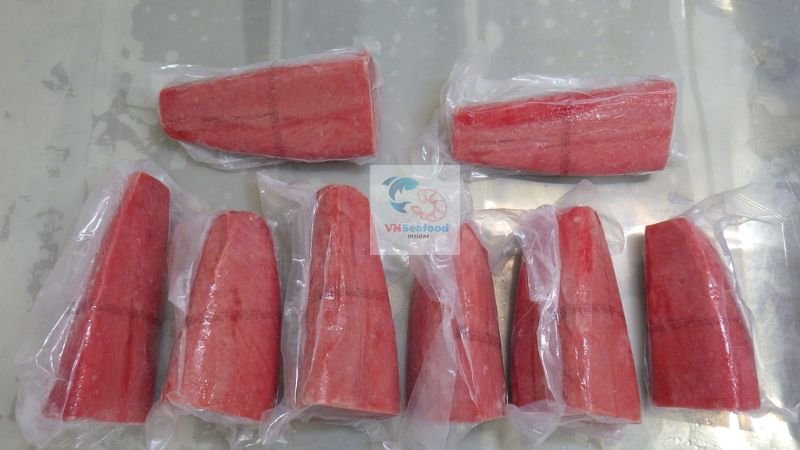
One other important thing is certificates. You can ask tuna producers to provide their certificates, such as BRC, ISO, IFS, MSC…
Assessing Product Specifications (Species, Grade, Packaging)
Yellowfin? Bigeye? Skipjack? CO-treated or untreated? Sashimi grade or cooking grade? Vacuum-packed or IQF? The specifics matter enormously, and reputable tuna processing companies in Vietnam will provide detailed product specification sheets without hesitation. If a supplier gets vague when you ask for specs, that’s a red flag the size of a yellowfin tail.
Due Diligence on Ownership and Group Affiliations
As you’ve seen, several companies in this guide share ownership connections — AHFISHCO links to Hai Vuong, Viet Cuong links to Thai Union, Hai Trieu links to Nghi Son Foods Group. Understanding these relationships helps you avoid unknowingly sourcing from the same ultimate parent through different entities, and it helps you leverage group-level capabilities during negotiations.
Read more: Tuna CO Treatment vs Natural Methods: What Importers Need to Know
Market Outlook for Vietnam Tuna Processing Companies in 2026
Impact of Declining US and EU Demand on Export Strategy
In an previous article, we’re also talking about Vietnam Tuna Export Challenges to EU & US in 2026. The 14% decline in US-bound exports and 19% drop in EU shipments through May 2026 isn’t something factories are ignoring. Many Vietnam tuna exporters are actively recalibrating their market strategies — some by pursuing aggressive pricing to defend market share, others by shifting capacity toward markets with growing demand.
For buyers, this creates a window of opportunity. Factories with softening order books may be more flexible on pricing, minimum order quantities, and payment terms than they were twelve months ago.
Opportunities in Diversifying Export Markets
Markets in the Middle East, Southeast Asia, Latin America, and Africa are absorbing increasing volumes of Vietnamese tuna. Buyers from these regions may find that Vietnam tuna processing companies are particularly eager to establish new relationships, offering favorable terms to build long-term partnerships in emerging markets.
Working with Vietnam Tuna Processing Companies: Next Steps for Buyers
Here’s the honest truth: working directly with production facilities in Vietnam can be genuinely challenging. Language barriers, time zone differences, factory communication styles, quality expectations— these aren’t hypothetical problems.
That’s exactly why VNSeafoodInsider exists to help in Vietnam tuna guide for importers.
You can contact us to help you source from these well-known facilities without the headaches. Here’s what we do:
- Handle inquiries with the factory — We speak their language (literally and figuratively), so your product specifications don’t get garbled between your inbox and the production floor. As working with seafood industry more than 12 years, we know which good packers in our affiliated factory list are suitable for your product inquiry.
- Inspect the products prior to shipment — Because the time to discover a quality problem is before the container leaves port, not after it arrives at yours.
- Follow up on shipment and after-shipment matters — Documentation, logistics coordination, and post-delivery support so nothing falls through the cracks.
Finding the right Vietnam tuna processing company is half the battle. Making the relationship work smoothly — that’s the other half. And we’re here for both.
Ready to start sourcing?
