What Changed on July 24, 2026: From Section 122 to the Section 301 Seafood Tariff
Trade policy rarely announces itself with fireworks. But this particular shift hit like a quiet earthquake — the kind where you only notice the cracks a few days later.
Why the 10% Section 122 Tariff Expired
The 10% blanket tariff imposed under Section 122 of the Trade Act of 1974 was always designed as a temporary emergency measure. It had a built-in expiration date, and on July 24, 2026, the clock ran out. Simple as that. No extension. No last-minute reprieve.
For importers who had budgeted around that 10% rate, the expiration initially sounded like good news. Less tax, right? Well, not exactly.
How the Section 301 Seafood Tariff Became the New Primary Mechanism
Almost immediately, the White House pivoted. Section 301 of the Trade Act of 1974 — a different section, a different beast entirely — became the primary tariff mechanism for imposing new duties on imported goods, including seafood from Vietnam at 12.5% (instead of previous level of 10%).
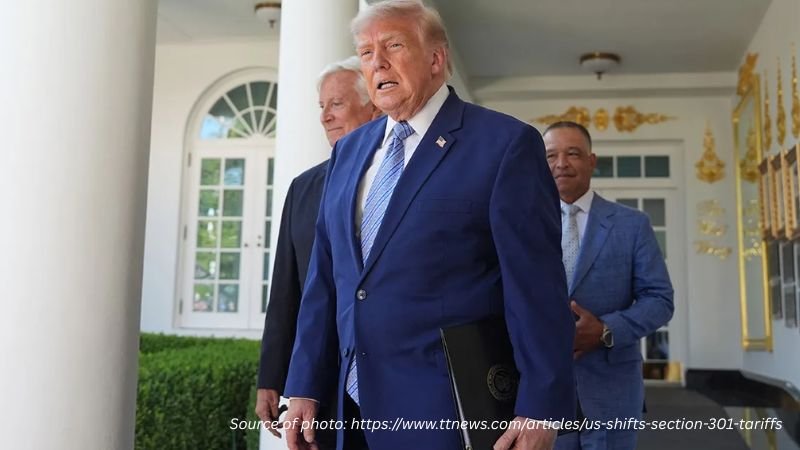
Unlike Section 122, Section 301 gives the US Trade Representative far more flexibility to target specific products, adjust rates, and layer duties on top of existing trade remedies. Think of it as switching from a blunt hammer to a precision toolkit. The toolkit just happens to be pointed at your supply chain.
What This Shift Means for Importers Planning Ahead
Here’s the honest truth: if you were planning your 2026–2027 import budget based on the old Section 122 rates, those numbers are now outdated. The Section 301 seafood tariff introduces new rate structures that vary significantly by product category. Some are manageable. Some are brutal.
Let’s look at the specifics.
Section 301 Seafood Tariff Rates for Key Vietnamese Seafood Products
Not all seafood is treated equally under the new regime. VNSeafoodInsider compiled the estimated total duty rates on Vietnam seafood exports to the US, effective after July 24, 2026. Here’s what you need to know.
Frozen Shrimp: 19.62% Total Duty (Section 301 + AD + CVD Combined)
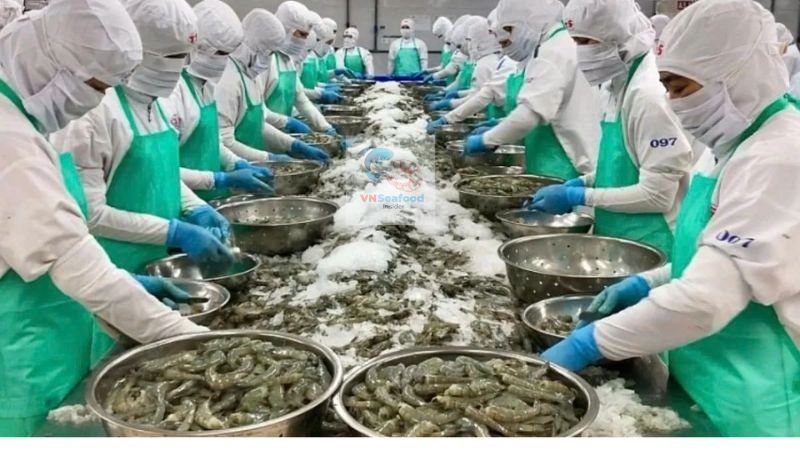
Frozen shrimp takes the hardest hit. At 19.62% total duty, this product category carries the combined weight of the Section 301 seafood tariff plus existing antidumping (AD) and countervailing duty (CVD) orders. That’s not a typo. Nearly one-fifth of the product’s value goes to duties before it even clears customs.
For shrimp importers, this rate fundamentally changes the economics of sourcing from Vietnam.
See more: Vietnam Shrimp Export: Complete Guide for Importers & Distributors
Pangasius (swai): 12.5% — Moderate Impact for Most Exporters
Pangasius exports face a 12.5% total duty. The silver lining? Most major Vietnamese pangasius producers have already resolved or significantly reduced their AD exposure through prior administrative reviews. So for the biggest players, 12.5% is the ceiling, not the floor.
Still, moderate doesn’t mean painless. That 12.5% eats directly into already-thin margins.
Tuna Loins: 12.5% Plus Added MMPA/COA Compliance Pressure
Tuna loins sit at the same 12.5% rate, but they carry extra baggage. The Marine Mammal Protection Act (MMPA) and Certificate of Admissibility (COA) requirements add layers of regulatory compliance that function almost like invisible tariffs. The paperwork alone can slow shipments and increase costs.
Canned Tuna: 18.5%–47.5% — The Highest Section 301 Seafood Tariff Bracket
Now here’s where things get genuinely painful. Canned tuna tariff rates range from 18.5% all the way up to a staggering 47.5%. That upper end is borderline prohibitive. If you’re in the canned tuna business, you’re either absorbing massive costs or you’re rethinking your entire market approach.
Squid, Octopus, Crab, and Clams: 12.5% Across Lower-Risk Categories
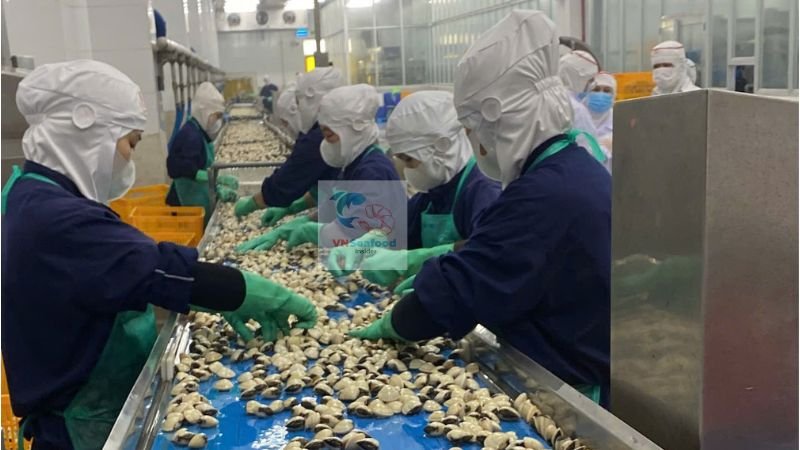
The good news corner. Squid, octopus, crab, and clam products all land at 12.5%. These categories face relatively lower risk under the new Section 301 seafood tariff framework, making them comparatively attractive for importers looking to diversify their Vietnamese seafood portfolio.
Why Frozen Shrimp Faces the Highest Section 301 Seafood Tariff Burden
You might be wondering: why does shrimp get punished the most? It’s a fair question, and the answer involves a bit of tariff archaeology.
Stacking Section 301 Duties with Existing AD and CVD Orders
Vietnamese frozen shrimp has been subject to antidumping duties for years. Countervailing duties were layered on top of that. Now, the Section 301 seafood tariff adds yet another layer. This “duty stacking” creates a cumulative burden that no single policy intended on its own — but the combined effect is devastating.
It’s like three different agencies each adding a surcharge to your bill without talking to each other first.
What 19.62% Total Tariff Means for Landed Cost Calculations
Let’s put it in plain terms. On a $10 per kilogram shipment of frozen shrimp, nearly $2 goes straight to duties. For high-volume importers moving thousands of metric tons annually, we’re talking about millions of dollars in additional costs. Those costs either get absorbed (goodbye, profit margin), passed to buyers (hello, price increases), or avoided entirely by switching suppliers.
None of those options is painless.
Could the Section 301 Seafood Tariff Push US Buyers Toward Vietnam?
Here’s the twist that most people aren’t talking about yet. While the Section 301 seafood tariff creates challenges for Vietnamese exporters, a separate policy development could actually work in Vietnam’s favor.
Proposed US Sanctions on Russian Oil and Gas Buyers
The US Congress is actively considering a sanctions package targeting economies that continue purchasing significant volumes of Russian oil and gas. This isn’t hypothetical — legislative language is circulating, and committee hearings are underway.
Why China and India Are the Primary Targets
China and India are the most frequently mentioned targets due to the sheer scale of their Russian energy imports. If sanctions materialize, goods from these countries — including seafood — could face severe trade restrictions or additional penalty tariffs.
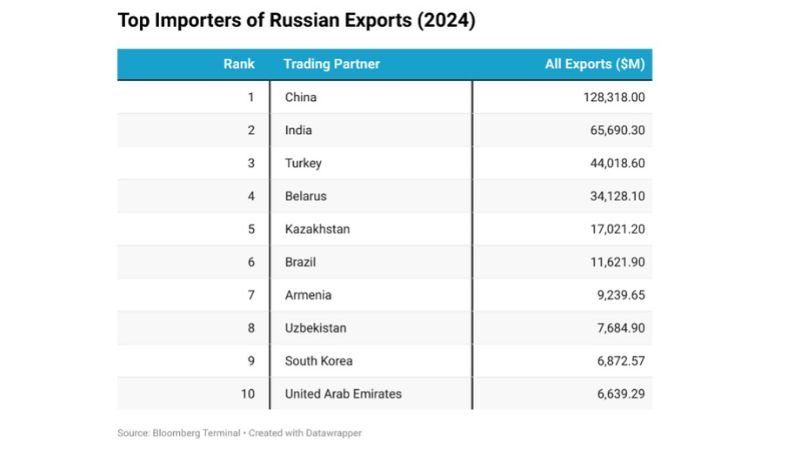
That’s a massive potential disruption. China and India are both major seafood exporters to the United States.
Vietnam’s Potential Position as an Alternative Sourcing Market
If Chinese and Indian seafood suddenly becomes more expensive or restricted, US importers will need alternatives. Fast. Vietnam, with its established export infrastructure, quality certifications, and existing trade relationships, is perfectly positioned to fill that gap.
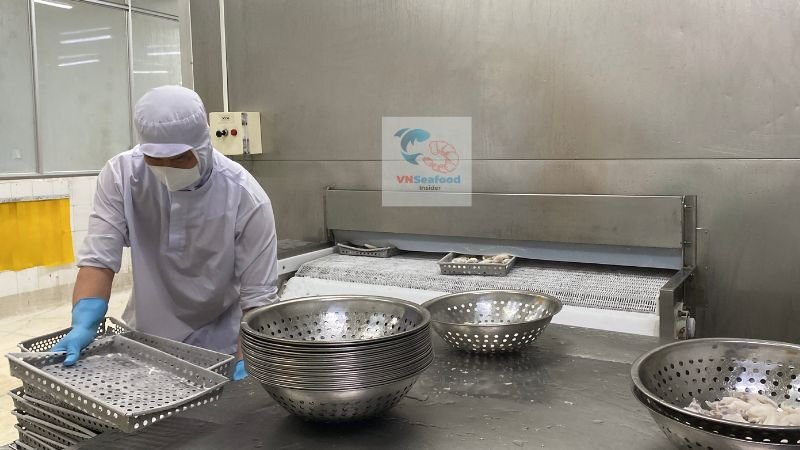
Ironic, isn’t it? The Section 301 seafood tariff raises costs on Vietnamese products with one hand, while geopolitical sanctions could drive more business toward Vietnam with the other. Trade policy is never boring.
See more: Top 20 Biggest Seafood Companies in Vietnam
How the Section 301 Seafood Tariff Is Affecting the US Seafood Market
Beyond the numbers, the new tariff regime is reshaping behavior across the entire supply chain.
Higher Costs Passed on to American Consumers
This one’s straightforward. Tariffs are ultimately a tax on consumers. When import costs rise by 12.5% to 47.5%, those increases ripple through distributors, retailers, and restaurant menus. American consumers are already noticing higher seafood prices at grocery stores and dining establishments.
Growing Caution Among US Importers Amid Policy Uncertainty
Perhaps more damaging than the tariffs themselves is the uncertainty. Importers hate surprises. The rapid shift from Section 122 to Section 301 — with potential Russia-linked sanctions looming on top — has created a climate of extreme caution. Many buyers are placing smaller orders, shortening contract terms, and hedging aggressively.
When nobody knows what the rules will be in six months, everybody plays it safe. That caution slows the entire market.
Why Vietnamese Exporters Are Accelerating Market Diversification
Vietnamese seafood companies aren’t sitting still. Smart exporters are actively expanding into the EU, Japan, South Korea, and Middle Eastern markets to reduce dependence on any single destination. The Section 301 seafood tariff is accelerating a diversification trend that was already underway.
Putting all your eggs — or shrimp — in one basket was never a great strategy. Now it’s a dangerous one.
What Vietnam Seafood Importers Should Do Next Under the New Section 301 Seafood Tariff
At VNSeafoodInsider, we believe information without action is just trivia. Here’s what you should actually do with everything you’ve just read.
Reassess Landed Cost by Product Category
Pull out your spreadsheets. Recalculate your landed cost for every Vietnamese seafood product you import, using the updated duty rates. Some products (squid, crab, clams) remain viable at 12.5%. Others (frozen shrimp, canned tuna) may require a complete rethinking of your sourcing math.
Monitor Pending Russia-Linked Sanction Developments
Keep a close eye on Congressional activity around the Russia energy sanctions package. If those sanctions pass, the competitive landscape for Vietnamese seafood in the US market could shift dramatically — and quickly — in Vietnam’s favor. Being early to that opportunity matters.
Work with Local Partners to Track Policy Changes in Real Time
Trade policy moves fast. Tariff rates, compliance requirements, and geopolitical dynamics can shift with a single executive order or legislative vote. Partner with local trade advisors, customs brokers, and industry groups in both Vietnam and the US who can flag changes as they happen — not weeks later.
VNSeafoodInsider will continue monitoring every development and breaking it down in plain language. Because in this market, what you don’t know absolutely can hurt you. You can read more about: Vietnam seafood Export
The Section 301 seafood tariff era has arrived. It’s complicated, it’s consequential, and it’s still evolving. Stay informed, stay flexible, and plan with your eyes wide open.
