
Overview of Vietnam Tuna Export Challenges
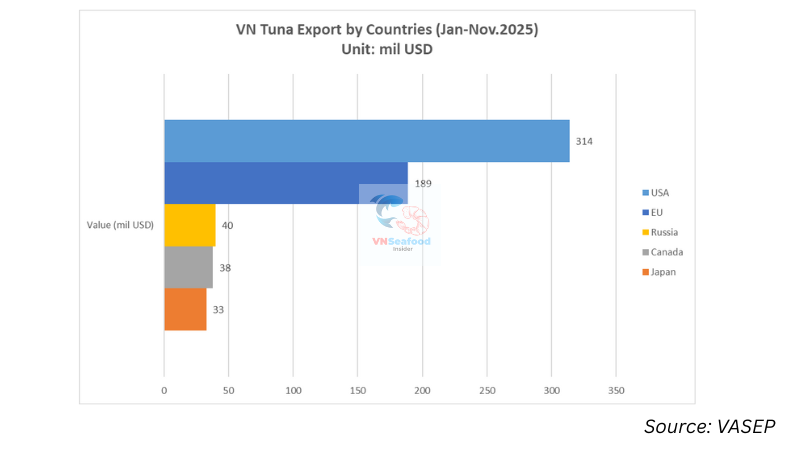
Vietnam’s tuna sector delivered solid numbers through November 2025, hitting $856 million in export value across January to November. Yet the 5% decline tells only part of the story. Behind these figures lies a sprawling network reaching 110+ markets worldwide, with the United States leading at $314 million, followed by the European Union at $189 million, Russia at $40 million, Canada at $38 million, and Japan at $33 million.
Here’s the uncomfortable truth: those impressive market numbers mean little if your shipments can’t clear customs in 2026.
Two regulatory earthquakes are about to hit. The EU’s new freezing requirements demand –18°C core temperatures for all tuna destined for direct consumption, effective January 27, 2026. Meanwhile, the US MMPA Certification of Admissibility (COA) becomes mandatory January 1, 2026 for purse seine and drift gillnet catches. Both target the same vulnerability—Vietnam tuna export challenges centered on traceability, documentation, and processing standards.
For importers and distributors reading this, the Vietnam tuna export challenges translate into real commercial risks. Histamine contamination from improper freezing protocols threatens consumer safety and brand reputation. Import bans loom for non-compliant shipments. And compliance costs will ripple through pricing structures across the board.
VNSeafoodInsider has tracked these developments since the draft stages. What we’re witnessing isn’t just regulatory fine-tuning—it’s a fundamental reset of market access conditions that will separate compliant suppliers from those stuck at the border.
EU Tuna Freezing Requirements 2026
The European Union just raised the bar for tuna importers worldwide, and Vietnamese exporters now face their toughest compliance test yet. Delegated Regulation (EU) 2025/1449, which amends Annex III of Regulation (EC) No 853/2004, takes effect on January 27, 2026. This isn’t a guideline or recommendation—it’s enforceable law that will determine which tuna shipments enter the EU and which get turned away at the port.
–18°C Core Temperature Mandate
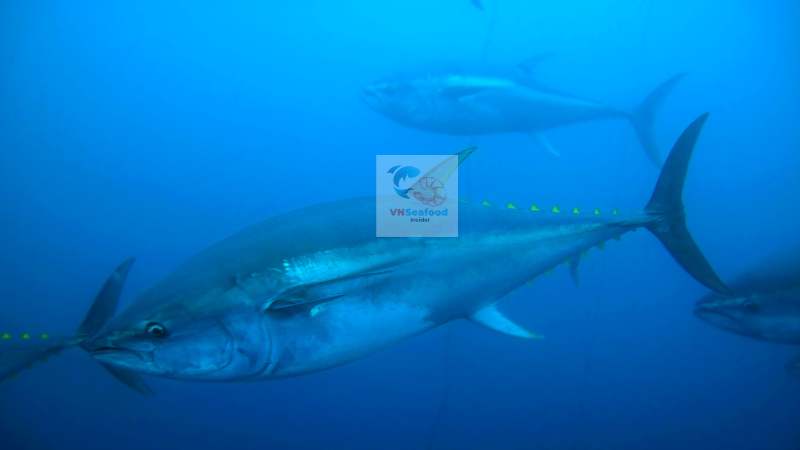
The regulation draws a hard line for tuna intended for direct human consumption—think sashimi, steaks, and loins. Every piece must achieve a core temperature of –18°C or lower during freezing, with no exceptions.
This requirement extends to brine freezing systems commonly used aboard fishing vessels. Previously, some operators froze tuna in brine at around –9°C, then marketed it as fresh or unprocessed product. That loophole just closed permanently.
Under the new rules, only vessels with validated brine freezing systems proven to reach –18°C can participate in the direct-consumption supply chain. EU authorities demand comprehensive documentation: temperature monitoring equipment, continuous data logging, and stored records available for official inspection at any time.
For tuna distributors managing cold-chain logistics, this means your upstream suppliers need rock-solid freezing protocols. The EU won’t accept verbal assurances or informal quality checks. They want timestamped thermal data proving every tuna loin in your shipment hit the required temperature threshold.
Reasons for EU Crackdown
Brussels didn’t create these stricter frozen tuna regulations on a whim. Official EU inspection reports uncovered a pattern of concerning practices that triggered the regulatory response.
Some fishing vessels were freezing tuna in brine at approximately –9°C, then introducing these products to market channels as “fresh tuna” or “unprocessed tuna.” The EU classified this practice as commercial fraud—mislabeling that deceives buyers about product handling and quality status.
But the bigger concern runs deeper than labeling accuracy. Inadequate freezing creates dangerous conditions for histamine accumulation in tuna flesh. When scombroid fish like tuna aren’t frozen rapidly enough or held at sufficiently low temperatures, naturally occurring bacteria convert the amino acid histidine into histamine. High histamine levels cause scombroid poisoning in consumers—symptoms include facial flushing, headaches, nausea, and in severe cases, cardiovascular issues.
The EU draws a critical distinction between tuna for direct consumption versus industrial processing. Raw tuna served as sashimi or lightly seared steak carries maximum histamine risk because it reaches consumers with minimal thermal processing. By contrast, canned tuna undergoes heat sterilization that mitigates food safety hazards. That’s why Brussels imposed the –18°C mandate specifically for direct-consumption products where thermal processing won’t serve as a safety backstop.
Impacts on Exporters and EU Importers
The compliance clock started running when the regulation was published, and it stops on January 27, 2026. After that date, EU tuna import requirements become non-negotiable.
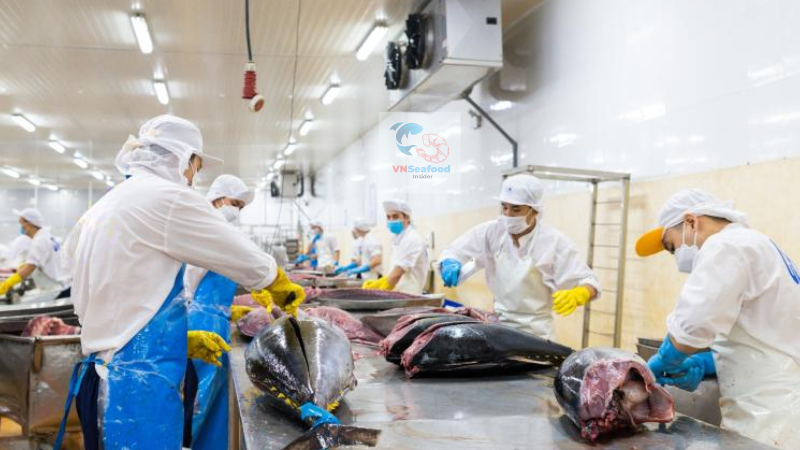
Vietnamese exporters operating older vessels or those equipped with basic brine systems face immediate pressure to upgrade. Installing validated freezing equipment capable of reaching and maintaining –18°C represents significant capital investment—especially challenging for small and medium-sized fishing operations.
For tuna importers and buyers in EU markets, the regulation creates a clear divide in your supplier base. Non-compliant shipments arriving after the effective date face automatic rejection at EU borders. No grace period. No grandfathering. Just turned-away containers and broken supply commitments.
Smart importers are already conducting supplier audits right now—verifying vessel equipment specifications, reviewing temperature monitoring systems, and confirming data logging capabilities. Waiting until January 2026 to discover your supplier can’t meet EU standards means scrambling for replacement sources during peak season.
The regulation also shifts quality assurance responsibilities. Your procurement teams need documentation proving –18°C compliance for every batch. That means integrating new verification checkpoints into receiving procedures and maintaining audit trails that satisfy EU inspectors.
See more: EUR1 Certificate Bottleneck: Why Vietnam Tuna Export to EU Remains Limited
US MMPA Tuna Requirements and COA
While Europe tightens freezing standards, the United States is simultaneously implementing parallel controls targeting marine mammal protection. The Marine Mammal Protection Act (MMPA) certification requirement hits Vietnamese tuna exports on January 1, 2026—just 26 days before the EU freezing rules activate.
What Triggers US Import Bans
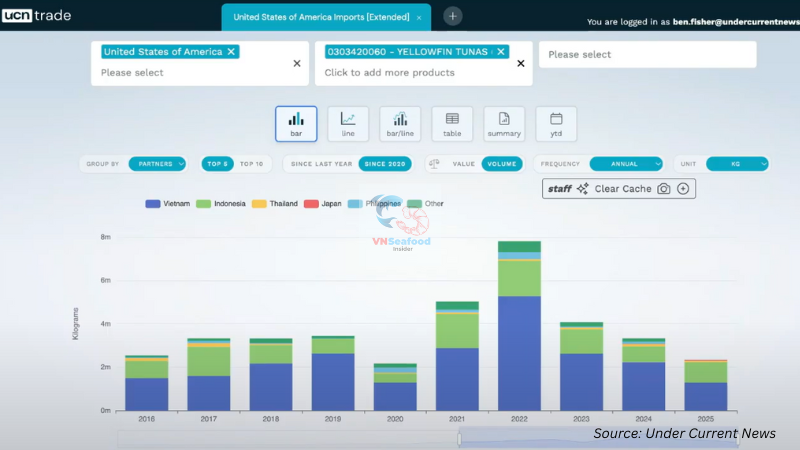
The MMPA certification requirement, commonly called COA (Certification of Admissibility), applies specifically to tuna caught using purse seine nets or drift gillnets. These fishing methods account for substantial Vietnamese catches of bigeye tuna, yellowfin tuna, and albacore tuna—the primary species exported to American markets.
The underlying logic centers on marine mammal bycatch. Purse seine and gillnet operations can inadvertently capture dolphins, whales, and other protected species during fishing operations. The MMPA requires foreign fisheries to demonstrate marine mammal protection standards equivalent to US requirements before their products can enter American commerce.
Without proper certification, US tuna import bans automatically apply. There’s no discretionary approval process or case-by-case review. If your shipment contains tuna from purse seine or gillnet operations lacking valid COA documentation, US Customs and Border Protection will refuse entry.
For tuna importers serving US retail chains, foodservice distributors, or processing facilities, this creates a binary supplier qualification issue. Either your Vietnamese sources provide certified products, or you find alternative origins.
COA Certification Process
The certification pathway runs through two parallel channels: US importer documentation and Vietnamese government certification.
On the American side, importers must file COA documentation through the Automated Commercial Environment (ACE) system when entering tuna shipments. Required data includes fishing vessel identification, gear type specification, catch location coordinates, and certification numbers proving MMPA compliance.
Vietnam’s Ministry of Agriculture and Rural Development established the domestic framework through Circular 74/2025, which outlines procedures for Vietnamese authorities to issue COA certificates. The system requires fishing vessel operators to document their marine mammal protection protocols, submit applications to designated Vietnamese government agencies, and undergo compliance verification before receiving certification.
Here’s where theory meets reality: processing thousands of vessel applications, conducting field verifications, and issuing certificates for Vietnam’s entire eligible tuna fleet represents a massive administrative undertaking. The timeline pressure is intense—government agencies have limited months to build certification infrastructure from scratch before the January 1 deadline.
For Vietnam tuna suppliers, the COA requirement adds layers of bureaucratic complexity to operations. Vessel operators need to compile comprehensive documentation packages, navigate government approval processes, and maintain ongoing compliance with certification conditions. Miss any steps, and your catch becomes unexportable to the US market regardless of quality or species.
Supply Chain Effects for Distributors
The ripple effects extend far beyond Vietnamese waters. Tuna distributors throughout the US supply chain face operational disruptions that started well before the January implementation date.
Documentation delays are already creating procurement uncertainty. Importers hesitate to commit to Vietnamese tuna purchases without confirmed COA certification, while suppliers struggle to provide definitive compliance timelines. This hesitation freezes purchase orders and creates planning gaps in quarterly procurement cycles.
Buyer reluctance compounds the problem. Some US importers are preemptively diversifying their tuna sourcing strategies, adding suppliers from countries with established MMPA certification frameworks or shifting toward fishing methods exempt from COA requirements. Vietnamese exporters risk losing established customer relationships even if they ultimately achieve certification—simply because buyers couldn’t afford the uncertainty during the transition period.
Cold storage operators and freight forwarders report increasing requests for origin verification and certification status confirmation before accepting Vietnamese tuna shipments. Nobody wants containers sitting in bonded warehouses waiting for documentation that may never arrive.
The compliance burden also creates competitive disadvantages. Vietnamese tuna competes globally against suppliers from Ecuador, Philippines, Indonesia, and other major origins. If Vietnamese certification infrastructure lags behind competitor nations, price advantages alone won’t overcome importers’ need for guaranteed market access.
See more: Tuna CO Treatment vs Natural Methods: What Importers Need to Know
Strategies to Overcome Vietnam Tuna Export Challenges
Regulatory pressure creates winners and losers. The winners aren’t necessarily the largest operators or those with deepest pockets—they’re the suppliers and buyers who move fastest to align operations with new compliance realities.
Freezing and Traceability Upgrades
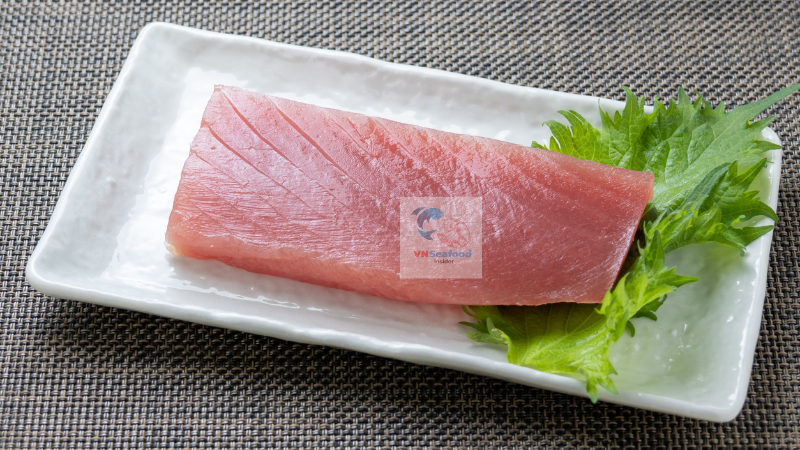
Meeting EU’s –18°C core temperature mandate requires more than just turning down the thermostat. Vietnamese tuna vessels need comprehensive freezing system validation that proves consistent performance under operational conditions.
The investment priorities break down into three categories:
Equipment upgrades come first. Vessels using traditional brine systems must either retrofit with enhanced refrigeration capacity or replace entire freezing systems with validated technology proven to reach –18°C. This means working with marine equipment suppliers who understand EU certification requirements and can provide documentation packages that satisfy Brussels inspectors.
Temperature monitoring infrastructure follows closely behind. EU auditors want continuous data capture—not spot checks or manual logbook entries. Modern monitoring systems use digital sensors throughout freezing holds, automated data logging with tamper-proof timestamps, and cloud backup systems that preserve records even if onboard equipment fails.
The smartest operators are implementing blockchain-based traceability platforms that create immutable records of every temperature reading from the moment tuna comes aboard through final delivery to EU cold stores. These systems generate audit trails EU inspectors can verify independently, eliminating disputes about compliance status.
For tuna exporters selling to quality-conscious European buyers, these investments deliver competitive advantages beyond mere compliance. Demonstrable quality control systems command premium pricing and strengthen customer relationships in markets where food safety reputation drives purchasing decisions.
Navigating US MMPA Compliance
The COA certification requirement demands different capabilities—less about equipment, more about documentation discipline and administrative coordination.
Vietnamese suppliers should prioritize fishing vessel certification by working closely with government agencies implementing Circular 74/2025. Early applicants in the certification queue have better chances of receiving approval before the January 1 deadline, while late submissions risk processing delays that could sideline vessels for months.
Smart exporters are establishing dedicated compliance teams who understand MMPA requirements, maintain relationships with Vietnamese certification authorities, and coordinate documentation between vessel operators and government reviewers. This administrative infrastructure represents overhead cost, but it’s far cheaper than losing US market access.
The relationship between Vietnamese exporters and US importers becomes crucial here. Transparent communication about certification status, realistic timeline expectations, and contingency planning for potential delays helps maintain customer relationships even when administrative processes don’t proceed smoothly. Importers appreciate suppliers who proactively share documentation updates rather than going silent when problems arise.
See more: Selecting Premium Tuna Cuts for Sushi, A Guide for Seafood Importers
Diversification Opportunities
Regulatory challenges in the EU and US create natural incentives to expand into alternative markets where Vietnamese tuna already demonstrates strong performance.
Russia imported $40 million in Vietnamese tuna through November 2025, representing a market with different regulatory frameworks and growing seafood consumption. While geopolitical factors create uncertainty, Russian buyers value reliable suppliers who can deliver consistent volume and quality.
Canada’s $38 million in Vietnamese tuna purchases offers proximity to US markets with distinct regulatory requirements. Canadian importers seeking alternatives to US-sourced product or serving specific market segments present growth opportunities for Vietnamese suppliers who can meet Canadian food safety standards.
Japan remains a $33 million market with exacting quality standards but also deep appreciation for premium tuna products. Japanese buyers prioritize freshness, handling protocols, and provenance—factors where well-managed Vietnamese operations can compete effectively despite competition from traditional Pacific suppliers.
Beyond these established markets, Southeast Asian regional demand continues growing. Emerging middle-class consumers in Thailand, Malaysia, and Indonesia increase seafood consumption annually, creating opportunities for Vietnamese tuna in regional supply chains without the regulatory complexity of Western markets.
The diversification strategy doesn’t mean abandoning the EU or US—those markets remain too large and too valuable to exit. Instead, smart Vietnamese exporters build balanced market portfolios that reduce dependence on any single destination and create flexibility when regulatory changes disrupt specific trade channels.
See more: The Rise of Vietnam Seafood Processing: Market Trends & Future Outlook
Conclusion: Secure Your 2026 Supply
The Vietnam tuna export challenges arriving in 2026 represent more than temporary regulatory adjustments. They signal a permanent shift toward transparency, traceability, and documented compliance across global seafood supply chains.
For importers and distributors managing procurement strategies right now, the coming months will separate reliable suppliers from those who struggle with the new normal. Compliant Vietnamese tuna suppliers who’ve invested in validated freezing systems, obtained COA certification, and built robust documentation capabilities will deliver uninterrupted supply to EU and US markets. Those who haven’t will create gaps in your supply chain precisely when you can’t afford disruption.
The opportunity cost of supplier failure extends beyond immediate product shortages. Lost sales during peak season, damaged retail relationships, and emergency sourcing at premium prices compound the impact of non-compliant suppliers.
Read more: Vietnam tuna complete guide for importers
VNSeafoodInsider connects serious buyers with Vietnamese tuna exporters who understand these stakes and have taken concrete steps to ensure 2026 compliance. Whether you’re securing sashimi-grade products for European markets or certified purse seine tuna for US distribution, the time to verify supplier capabilities is now—not next January when containers start getting rejected.
