Why Vietnam Shrimp Export Dominates the Global Seafood Market
Before you sign your next purchase order, it helps to understand why Vietnam keeps climbing the ranks. This isn’t accidental growth. It’s the result of decades of infrastructure investment, smart trade policy, and farmers who genuinely know their craft.
Vietnam’s Position as a Top 4 Global Shrimp Supplier
Vietnam now sits firmly among the top 4 global shrimp exporters, alongside Ecuador, India, and Indonesia. But here’s where it gets interesting — Vietnam competes differently than its rivals.
Ecuador leads on raw volume. India fights on price. Vietnam? Vietnam wins on value.
With approximately 1.5–1.55 million metric tons of annual shrimp production and $4.6 billion in 2025 export revenue, Vietnamese shrimp punches above its weight because processors here deliver finished, certified, ready-to-shelf products — not just raw commodities.
Supplier 2025 Export Value (Est.) Key Advantage |
Vietnam | $4.6B | Quality certifications, FTAs, value-added processing |
Ecuador | ~$4–5B | Volume leader, competitive pricing |
India | ~$4–5B | Price competition, large-scale farming |
Indonesia | ~$2–3B | Growing capacity, domestic consumption |
That value-over-volume approach is exactly what importers in premium markets are looking for.
Key Competitive Advantages Driving Vietnam Shrimp Export Growth
Three things set Vietnam apart, and they’re worth memorizing:
First, free trade agreements. Vietnam’s membership in CPTPP and EVFTA gives shrimp exporters from Vietnam preferential tariff access to markets that competitors simply can’t match. For EU-bound shipments, this translates to real margin advantages.
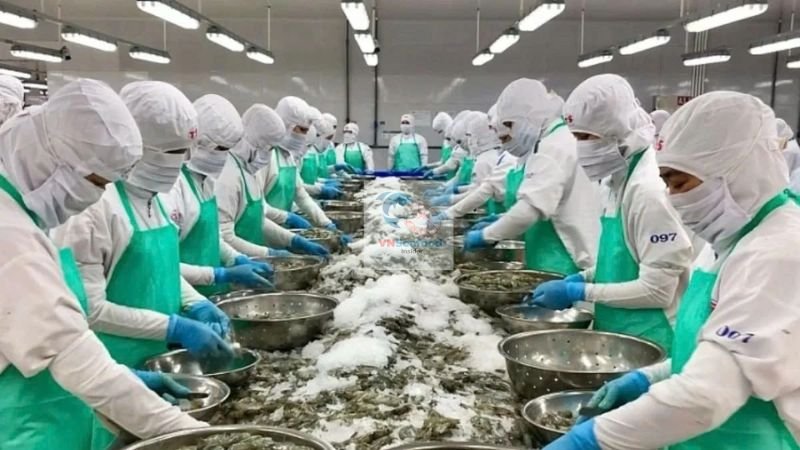
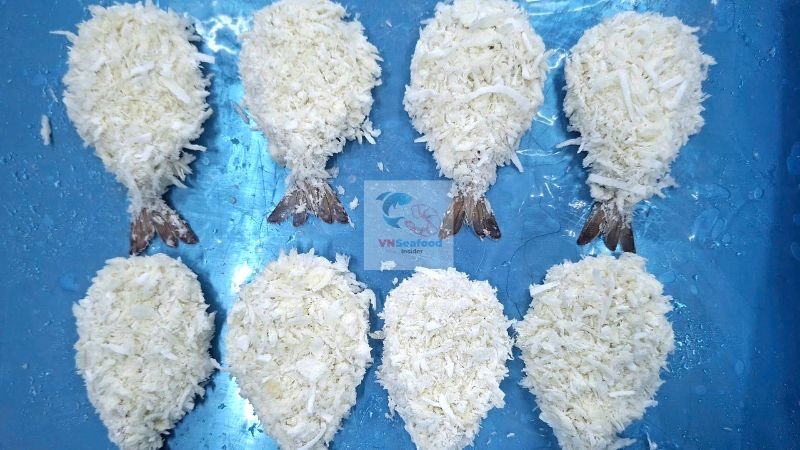
Second, processing sophistication. The Mekong Delta — particularly Ca Mau, Soc Trang, and Bac Lieu — hosts some of the most modern shrimp processing facilities in Southeast Asia. These aren’t back-shed operations. We’re talking HACCP, BRC, and BRCGS-certified plants that can produce everything from HOSO to breaded shrimp skewers.
Third, adaptability. When China’s premium demand surged in 2025, Vietnamese suppliers pivoted fast. When US tariffs tightened, they diversified. That kind of agility matters when you’re building a supply chain you can actually depend on.
Vietnam Shrimp Export by Species: Vannamei vs. Black Tiger
Not all shrimp are created equal — and your market dictates which species belongs in your container. Let’s break down the two stars of Vietnam’s shrimp export lineup.
Vannamei Shrimp — The Engine of Vietnam’s Shrimp Export Volume
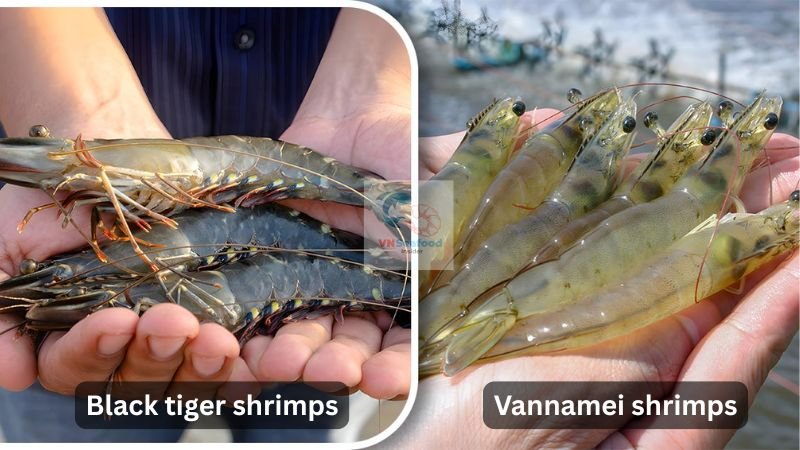
Vannamei shrimp (whiteleg shrimp) is the workhorse. In 2025, it drove 64.6% of total exports, generating $2.98 billion — up 9.6% year-over-year. Production reached roughly 980,000 tons.
Why does Vannamei dominate? Simple: it grows fast, farms efficiently, and meets the texture-and-price sweet spot that retail and foodservice buyers in North America crave. If you’re importing for volume — think restaurant chains, frozen retail brands, or food manufacturing — Vannamei is your species.
Black Tiger Shrimp — Vietnam’s Premium Export Product
Then there’s Black Tiger shrimp — the thoroughbred of the lineup. At 9.8% of exports ($452.9 million, up 1.2%), it doesn’t match Vannamei’s volume. But it doesn’t need to.
Black Tiger commands premium pricing in China and the EU thanks to its larger size, firmer texture, and richer flavor profile. Total output sits around 284,000 tons. If your customers are willing to pay more for a superior eating experience, this is where the margin lives.
Product Formats and Processing Options Available for Importers
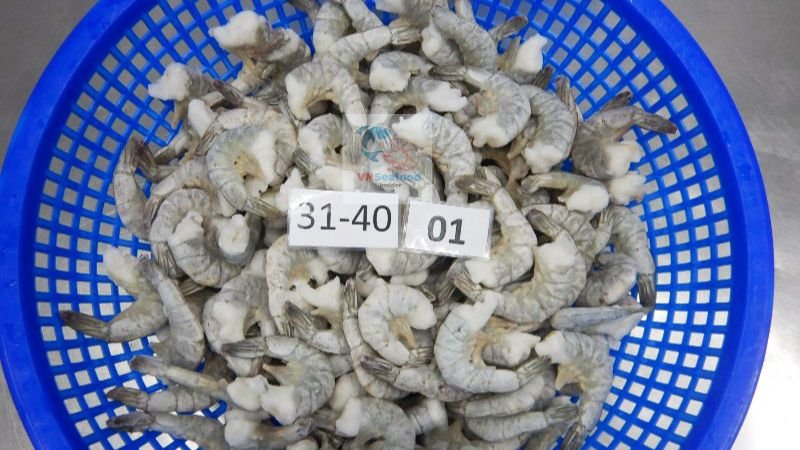
Vietnam’s processors offer a dizzying range of formats: HOSO (head-on shell-on), HLSO (headless shell-on), PD (peeled and deveined), PUD (peeled undeveined), cooked, and value-added shrimp products like breaded butterfly shrimp, tempura, and skewers.
VNSeafoodInsider’s recommendation? Match format to market. US buyers increasingly prefer cooked and ready-to-eat formats. EU importers lean toward HLSO and PD with full traceability. Japanese buyers want pristine HOSO with zero defects.
Vietnam Shrimp Export Markets: Where the Opportunities Are
Understanding destination markets is half the battle in international shrimp trade. Here’s where Vietnamese shrimp is landing — and where the smartest importers are placing their bets. For a deeper dive, check out our analysis on Vietnam shrimp export market opportunities.
United States — Vietnam’s Most Valuable Shrimp Export Destination
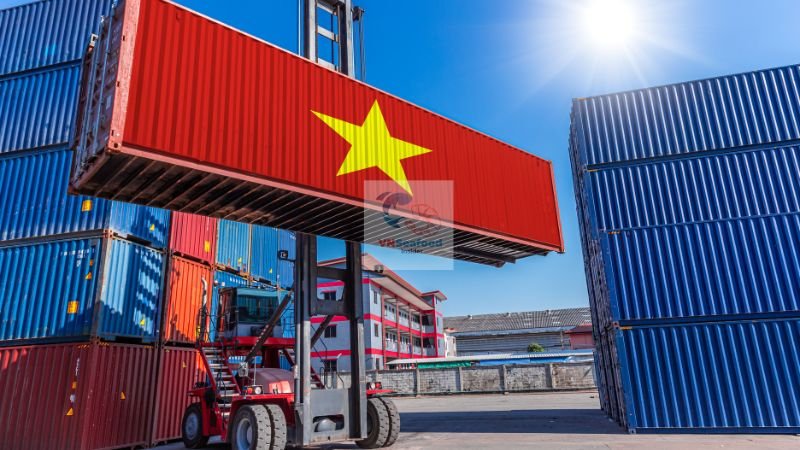
The US imported $796 million worth of Vietnamese shrimp in 2025 — a 5.4% increase that solidifies it as the second-largest destination. American consumers love shrimp (it’s the most popular seafood in the country, after all), and Vietnam delivers the cooked, processed formats that US retail demands.
But — and this is a big but — December 2025 shipments dropped 16% as antidumping duties cast a long shadow. We’ll unpack that in the tariff section below. For now, know that the opportunity is massive but requires navigating some regulatory turbulence.
China — The Fastest-Growing Market for Vietnam Shrimp Export
China (including Hong Kong) exploded to $1.3 billion in 2025, a jaw-dropping 55% increase that made it Vietnam’s largest single market. Much of this surge came from live lobster ($840 million, +131%), but shrimp imports from Vietnam to China grew substantially too, driven by premium demand in Tier 1 cities.
If you’re a distributor serving Chinese foodservice or e-commerce channels, Vietnam offers quality that domestic Chinese production struggles to match consistently.
EU, Japan, and South Korea — Established Markets With Steady Demand
The EU accounted for $579.8 million (+19.9%), benefiting from EVFTA tariff reductions. Japan and South Korea together contributed $1.25 billion (+28.8%), anchored by CPTPP preferences.
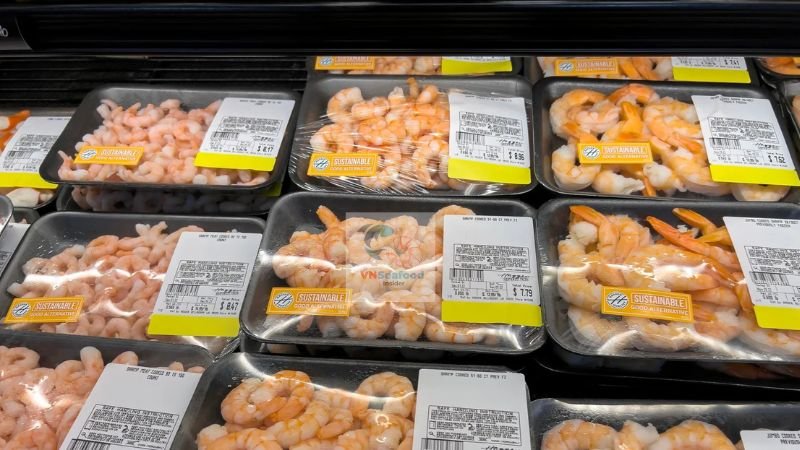
These are mature, quality-obsessed markets. They don’t chase the cheapest shrimp — they chase the most reliable shrimp. And that’s precisely Vietnam’s sweet spot.
Vietnam Shrimp Export Performance: Key Statistics for Importers
Numbers don’t lie, and the recent stats tell a compelling story. For the full breakdown, read our detailed report on Vietnam shrimp export 2025 revenue growth.
Vietnam Shrimp Export Revenue 2024–2025 and Growth Trajectory
- 2024: $4.1 billion (+15% YoY)
- 2025: $4.6 billion (+19% YoY) — all-time record
- Peak month: October 2025 at $498 million (+26%)
That’s back-to-back years of double-digit growth. Not many shrimp exporting countries can claim that kind of momentum. For broader industry context, see our global shrimp market trends 2025 analysis.
Production Volumes, Farming Regions, and Seasonal Supply Patterns
Vietnam produced approximately 1.41 million tons in the first 11 months of 2025, with full-year estimates reaching 1.5–1.55 million tons. The Mekong Delta accounts for 80–91.7% of national output.
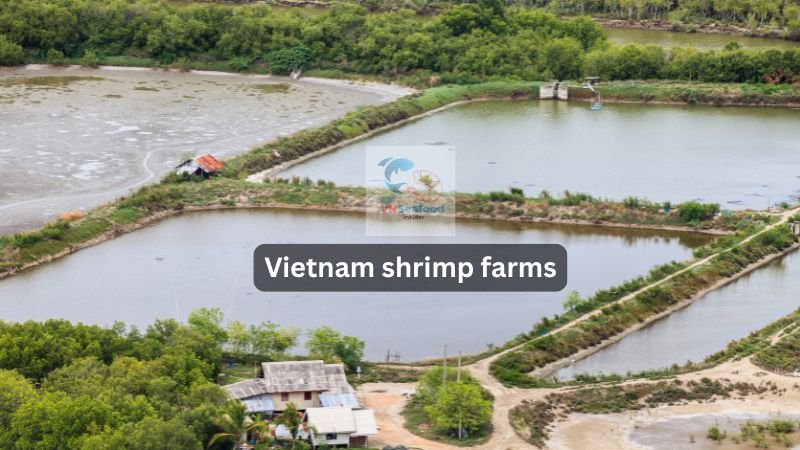
Ca Mau alone produced 595,000 tons across roughly 280,000 hectares, including 7,927 hectares of intensive and super-intensive farming. Other major hubs include Bac Lieu, Soc Trang, Kien Giang, and Ben Tre. For production details, see our coverage of Vietnam shrimp production 2025.
Seasonal tip for importers: Q3 and Q4 (post-rainy season harvests) typically offer peak supply and the most competitive pricing. Plan your procurement calendar accordingly.
Trade Policy and Tariffs Affecting Vietnam Shrimp Export
Here’s where things get complicated — and where uninformed importers lose money. Pay attention.
US Antidumping Duties on Vietnamese Shrimp — What Importers Must Know
The US has maintained antidumping duties on Vietnamese shrimp for over two decades. In the latest review in Feb, 2026, The U.S. Department of Commerce has set final anti-dumping duties for POR 19 of 25.76 % on two Vietnamese shrimp exporters including Stapimex and Thong Thuan. These aren’t trivial numbers — they fundamentally reshape landed cost calculations.
Our detailed breakdown of the Vietnam shrimp antidumping duty 2025 explains the review process, separate rate applications, and how some exporters secure significantly lower rates.
How US Reciprocal Tariffs Impact Vietnam Shrimp Export Competitiveness
Beyond antidumping, reciprocal tariffs added another layer of cost pressure, another 10% on the top of import tariff (effective from late Feb, 2026). For a complete assessment, read our guide on Vietnamese shrimp under US tariffs.
VNSeafoodInsider’s advice: work with suppliers who have secured favorable separate duty rates, and explore duty-free quota mechanisms where available.
EU Market Access and Certification Requirements for Vietnamese Shrimp
The EU market is more welcoming on tariffs (thanks EVFTA) but far more demanding on documentation. ASC and BAP certifications are effectively mandatory for major EU retail chains. Vietnam currently has 300+ ASC-certified farms and 192 BAP-certified operations — numbers that grow every year.
Quality, Sustainability, and Disease Risks in Vietnam Shrimp Export
Quality isn’t just a buzzword — it’s your brand reputation on the line. Let’s talk about what separates trustworthy supply from risky supply.
Sustainable Shrimp Farming Vietnam — Certifications Importers Should Require
Sustainable shrimp farming in Vietnam has made remarkable progress. ASC certification ensures environmental and social responsibility, while BAP covers the entire production chain. At minimum, you should require one of these from any supplier you work with.
Read our comprehensive guide on sustainable shrimp farming Vietnam for certification details and farm-level audit expectations.
Vannamei Shrimp Diseases and Parasites — Risk Factors Every Importer Must Understand
Every Vannamei farmer in the Mekong Delta battles the same enemies: WSSV (White Spot Syndrome Virus), EMS/AHPND, and Vibriosis. Poor water management and biosecurity lapses are the usual culprits.
As an importer, you can’t control farm-level disease — but you can control which farms you source from. Demand disease testing records and biosecurity audit reports. Our articles on Vannamei shrimp diseases and Vannamei shrimp parasites provide the technical knowledge you need.
Quality Control Standards Across Vietnam’s Shrimp Processing Facilities
Leading processors like Minh Phu operate HACCP and BRC-certified facilities with rigorous antibiotic testing, metal detection, and cold chain management. Don’t assume all processors meet the same standard — verify independently.
Importer checklist: Confirm HACCP/BRC certification, request third-party antibiotic test results, verify farm-to-factory traceability, and conduct at least one on-site audit before committing to volume contracts.
How to Source Shrimp from Vietnamese Shrimp Suppliers
Knowing the market is one thing. Actually finding and vetting the right partner? That’s where the rubber meets the road. Our guide on how to source from Vietnamese shrimp suppliers covers the full process.
How to Identify and Vet a Reliable Vietnam Shrimp Export Supplier
Start with VASEP (Vietnam Association of Seafood Exporters and Producers) member lists. Cross-reference with certification databases. And please — visit the factory or ask any local seafood agent to verify the plants before you wire six figures to someone you met at a trade show.
Top Shrimp Processing Companies in Vietnam Exporters Work With
Names like Minh Phu, Stapimex, Sao Ta (Fimex), and Camimex appear repeatedly in global import records for good reason — they’ve invested heavily in quality infrastructure and maintain consistent export track records. See our ranking of the top 5 shrimp processing companies in Vietnam.
Best Frozen Shrimp Products and Wholesale Formats Available from Vietnam
Whether you need IQF raw peeled shrimp for foodservice, block-frozen HLSO for reprocessing, or retail-ready wholesale frozen shrimp products, Vietnam’s processing sector can deliver. For format-specific guidance, explore our guides on best frozen shrimp products and wholesale frozen shrimp products 2025.
Frequently Asked Questions About Vietnam Shrimp Export
What is the current export volume of shrimp from Vietnam?
Vietnam shrimp export reached $4.6 billion in 2025, with production of approximately 1.5–1.55 million metric tons. This represents a 19% increase over the 2024 record of $4.1 billion.
Which Vietnamese shrimp species are best for the US and EU markets?
Vannamei shrimp is ideal for US volume-driven markets (retail, foodservice chains). Black Tiger shrimp commands premium pricing in the EU and Chinese markets where size and flavor justify higher cost.
How do antidumping duties affect the price of imported Vietnamese shrimp?
US antidumping duties can add up to 25.76% to the landed cost of Vietnamese shrimp imports. However, many exporters qualify for significantly lower separate rates. Always verify your supplier’s specific duty rate before calculating margins.
What sustainable certifications should I require from a Vietnam shrimp export supplier?
At minimum, require ASC or BAP certification for farm-level sustainability, plus HACCP and BRC/BRCGS certification for processing facilities. EU importers should additionally verify IUU fishing compliance documentation.
How do I start importing shrimp from Vietnam for the first time?
Begin by identifying your target species, format, and volume. Research suppliers through VASEP directories or the local seafood agent. Request samples and third-party test results. Conduct a factory audit. Start with a trial container before scaling. And if you want a shortcut, VNSeafoodInsider’s sourcing guide walks you through every step.
See more: Vietnam Shrimp Export Challenges 2026: Risks and Opportunities for Importers
The bottom line? Vietnam’s shrimp export industry isn’t just growing — it’s maturing into one of the most reliable, diversified, and quality-driven supply sources on the planet. Whether you’re a first-time importer testing the waters or a seasoned distributor looking to optimize your supply chain, the opportunity here is real. And it’s not waiting around. Apart from shrimps, you also can see full guide of Vietnam seafood export.
