
Vietnam Tuna Export Overview: 4-Month Performance in 2026
Before we dive into where the growth is happening, let’s get honest about the bigger picture. Vietnam’s tuna export sector in early 2026 isn’t having its best quarter on paper. But underneath the headline numbers, there’s a fascinating story of transformation.
Total Export Value Drops 4.8% — What the Numbers Tell Us
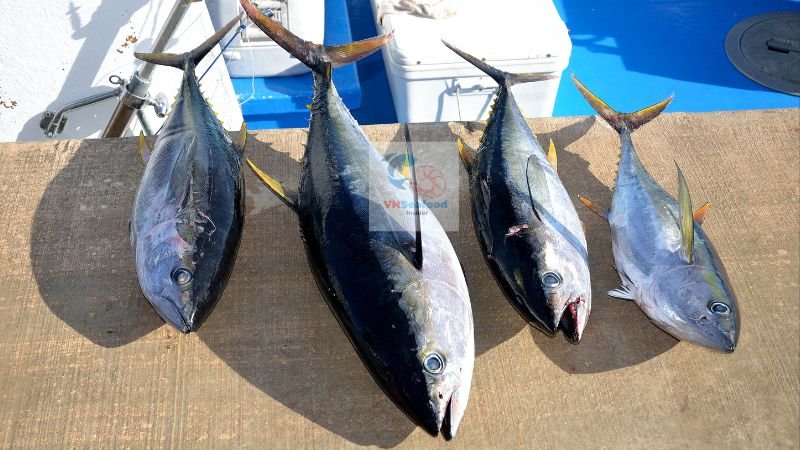
Vietnam’s total tuna export value for the first four months of 2026 reached $289 million. That’s a 4.8% decline compared to the same period in 2025. Not exactly the kind of number that makes exporters pop champagne.
But here’s the thing — that decline isn’t evenly distributed. It’s concentrated in two specific markets. And the markets picking up the slack are growing at rates that would make any importer pay attention. The story here isn’t about decline. It’s about redistribution.
April 2026 Snapshot: $81 Million with a 6% Year-on-Year Decline
April alone saw Vietnamese tuna exports hit $81 million, down 6% year-on-year. A single month doesn’t define a trend, but it confirms the pressure that’s been building since late 2025. Orders from traditional buyers slowed. Compliance costs climbed. And some shipments simply got stuck in bureaucratic limbo.
Yet even within that $81 million, certain destination markets posted double-digit growth. That contrast is exactly what makes this moment so interesting for sourcing professionals.
How Market Pressure from the US and EU Is Reshaping Vietnam’s Tuna Trade
The US and EU together still account for over half of Vietnam’s tuna export revenue. But their combined share is shrinking. When your two biggest customers start pulling back, you don’t sit around waiting. You find new ones.
And that’s precisely what Vietnamese exporters are doing — pivoting toward emerging tuna import markets like Russia, Japan, the Middle East, and North Africa with surprising speed and conviction.
Why the US and EU Are Losing Ground as Vietnam’s Top Tuna Markets
To understand why Vietnam tuna export to Russia and Japan are accelerating, you first need to understand what’s going wrong in the West. It’s not one thing. It’s a pile-up of regulatory friction, policy uncertainty, and competitive pressure.
US Tuna Imports from Vietnam Down 10% — Tariff Uncertainty Takes Its Toll
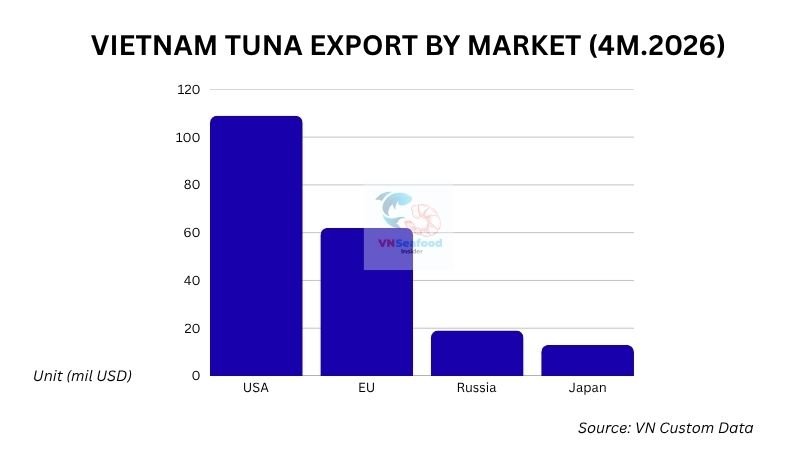
The United States remains Vietnam’s largest single tuna market. In the first four months of 2026, it imported $109 million worth of Vietnamese tuna — roughly 38% of total exports. But that figure is down 10% from last year.
Why? US tariff policy instability continues to rattle importers. Nobody enjoys placing large orders when the cost structure might change overnight. Add to that the Marine Mammal Protection Act (MMPA) requirements, increasing demands for MSC certification, full traceability, and IUU compliance — and you’ve got a market that’s becoming more expensive and more complicated to serve.
American buyers aren’t disappearing. They’re just getting pickier. And slower.
EU Tuna Imports Slide 14% — CO Certificate Bottleneck Limits Market Access
The EU picture is arguably worse. Tuna imports from Vietnam to the EU totaled just under $62 million in four months — a steep 14% decline. The main culprit? Certificate of Origin (CO) issues.
Vietnamese exporters are struggling to secure the EUR.1 certificates needed to enjoy preferential tariff rates under trade agreements. Without those certificates, the price advantage evaporates. Combine that with the EU’s rigorous IUU enforcement, extended customs clearance timelines, and rising compliance costs, and you have a market that’s actively pushing exporters to look elsewhere.
It’s not that EU demand for tuna is dead. It’s that the bureaucratic cost of accessing it has become painfully high.
See more: EUR1 Certificate Bottleneck: Why Vietnam Tuna Export to EU Remains Limited
What These Declines Mean for Global Tuna Supply and Pricing
When the world’s two largest import markets slow down simultaneously, something interesting happens on the supply side. Vietnamese tuna suppliers suddenly have capacity. They have inventory. And they have motivation to offer competitive pricing to buyers in other regions.
If you’re an importer in Russia, Japan, or the Middle East, this is your leverage moment. The supply is available. The prices are negotiable. And the exporters are eager to build new relationships.
Vietnam Tuna Export to Russia and Japan: The New Growth Engines in 2026
Now we arrive at the heart of the matter. While the West hesitates, the East — and a few unexpected players — are stepping up. Vietnam tuna export to Russia and Japan isn’t just growing. It’s accelerating in ways that suggest long-term structural shifts rather than temporary blips.

Russia Surges 55% — Why This Market Is Becoming a Strategic Priority
Let’s talk about Russia first, because the numbers are frankly remarkable. In the first four months of 2026, tuna exports from Vietnam to Russia reached $19 million — a 55% increase over the same period last year.
This didn’t happen by accident. Russia’s tuna import market has been expanding steadily, with total imports reaching nearly $90 million in 2023 and doubling over five years. Vietnam is capturing an increasing share of that growth, and the reasons are structural.
The Vietnam-EAEU Free Trade Agreement, effective since late 2016, grants most Vietnamese seafood exports zero or near-zero tariffs into Russia. That’s a massive competitive advantage. Direct shipping routes from Ho Chi Minh City and Hai Phong to Vladivostok take just 8–11 days. Even the rail option through China and Kazakhstan to Moscow — roughly 35–40 days — offers cost-effective logistics for frozen products.
The product mix matters too. Russian buyers are importing frozen tuna fillets, loins, and processed or canned products suited for both retail shelves and HORECA channels. For Vietnamese exporters, Russia isn’t just a new market. It’s becoming a strategic priority.
Japan Up 8% — Steady Demand and Premium Product Opportunities for Exporters
Japan’s growth is quieter but no less significant. Vietnamese tuna exports to Japan reached $13 million in the first four months of 2026, up 8% year-on-year. That follows a strong finish to 2024, when October alone saw a 31% spike to nearly $3.5 million.
Japan is a premium market. Buyers here want sashimi-grade tuna, high-quality fillets, and precisely processed loins. The standards for food safety, post-harvest handling, and cold chain management are among the strictest in the world. But here’s the upside — once you’re in, you tend to stay in. Order stability and profit margins in Japan typically exceed what exporters earn in more price-sensitive markets.
For importers in Japan, sourcing tuna from Vietnam offers a compelling value proposition: quality that meets Japanese standards at prices that remain competitive against other Asian suppliers.
What Product Types Are Driving Vietnam Tuna Export to Russia and Japan
The product profiles for these two markets differ, and that’s actually good news for Vietnamese processors with diversified capabilities.
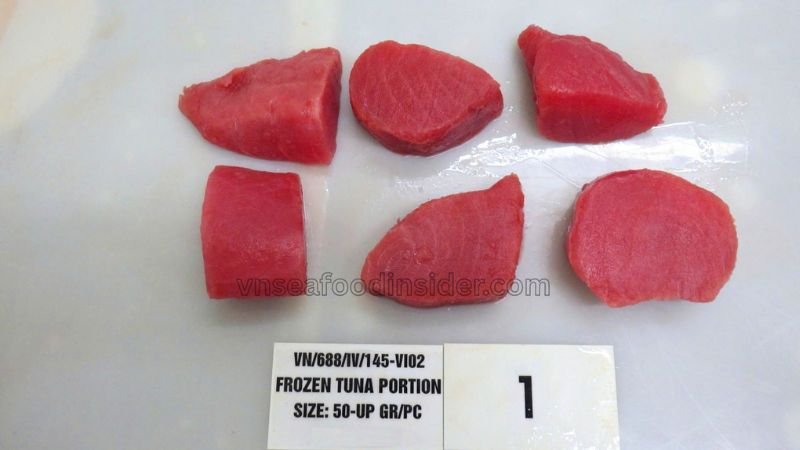
For Russia, the demand centers on frozen tuna loins and fillets, canned tuna, and value-added processed products. These fit well into both supermarket distribution and food service operations.
For Japan, the focus tilts toward sashimi-grade tuna, premium frozen fillets, and carefully portioned loin cuts. Packaging quality, temperature control documentation, and traceability records are non-negotiable.
Vietnamese exporters who can serve both markets effectively are essentially hedging their risk while maximizing their production utilization. Smart business, honestly.
Beyond Russia and Japan — Other Rising Markets Importers Should Watch
The diversification story doesn’t stop at two countries. Several other markets are flashing bright green signals for Vietnamese tuna exporters in 2026.
Egypt Up 69%: Vietnam’s Tuna Footprint in North Africa Expands Fast
Egypt recorded a staggering 69% increase in tuna imports from Vietnam during early 2026. North Africa’s growing middle class, rising protein consumption, and expanding retail infrastructure are all working in Vietnam’s favor. This is a market worth monitoring closely.
Israel Up 20% and Philippines Up 17%: Diverse Demand Across Two Continents
Israel posted a 20% increase, driven by consistent demand for canned and processed tuna products. The Philippines grew 17%, reflecting intra-Asian trade dynamics where Vietnamese processed tuna complements local catch. Both markets show that diversification isn’t just geographic — it’s also about product format flexibility.
Middle East as a Whole: A Collective Growth Signal for Vietnamese Tuna
When you zoom out and look at the Middle East tuna market collectively — Israel, the Gulf states, Egypt — the pattern is unmistakable. This region is becoming a meaningful destination for Vietnamese tuna, and the growth trajectory suggests it will only become more important in the years ahead.
What Market Diversification Means for Importers Sourcing Vietnamese Tuna
If you’re an importer, all of this reshuffling creates tangible advantages for you. Let VNSeafoodInsider explain how.
Shifting Export Volumes — How Importers in Russia and Japan Can Benefit
As Vietnamese exporters redirect volume away from the US and EU, buyers in Russia and Japan gain access to increased supply. More supply generally means better selection, more flexible MOQs, and faster fulfillment. The factories that previously prioritized American retail orders now have capacity for your orders.
Competitive Pricing as Vietnamese Exporters Pivot Away from US and EU
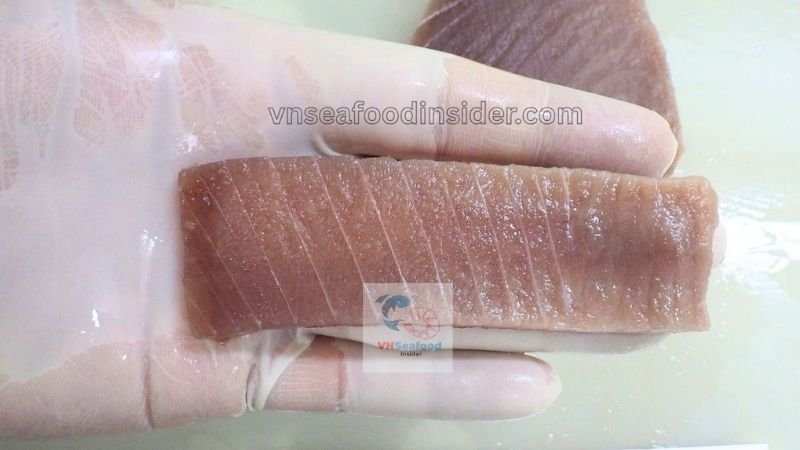
Here’s where it gets really interesting. Competitive tuna pricing from Vietnam is emerging as exporters seek to fill the gap left by declining Western orders. This doesn’t mean a race to the bottom — it means rational pricing that reflects genuine market conditions. For importers, this translates into better cost-per-kilogram deals, especially on volume commitments.
How to Position Your Sourcing Strategy Around Vietnam’s New Export Map
The smartest move right now? Start building relationships with Vietnamese suppliers who are already active in your market. Ask for references from other Russian or Japanese buyers. Negotiate trial shipments. Lock in pricing frameworks before the rest of the market catches up.
Practical Sourcing Guide: Importing Vietnamese Tuna to Russia and Japan in 2026
Theory is nice. Execution is better. Here’s what you actually need to know.
Key Documentation and Compliance Requirements for Each Market
For Russia, ensure your supplier provides EAEU-compliant documentation, including certificates of conformity (GOST-R or TR CU), veterinary certificates approved by Rosselkhoznadzor, and proper CO forms to claim preferential tariff treatment under the Vietnam-EAEU FTA.
For Japan, the requirements include health certificates meeting MHLW standards, full traceability documentation from catch to export, and compliance with Japan’s Food Sanitation Act. Histamine testing records and cold chain verification are practically mandatory for sashimi-grade products.
Recommended Tuna Products and Cut Formats Popular in Russia and Japan
Russia favors frozen tuna loins, skinless fillets, canned tuna in oil or brine, and pre-portioned steaks for retail. Japan demands tuna CO-treated or super-frozen sashimi blocks, premium loin cuts, and tataki-ready portions with exacting specifications on color, fat content, and texture.
How to Qualify and Vet a Vietnamese Tuna Supplier for These Markets
Look for suppliers with existing export history to your specific market. Check for HACCP, BRC, or ISO 22000 certifications. Ask for third-party audit reports. Request sample shipments before committing to full containers. And — this is critical — verify that they have experience handling the documentation your market requires. A great product means nothing if it gets stuck at customs.
See more: How to Negotiate Prices for Tuna Import from Vietnam
Outlook: Will Vietnam Tuna Export to Russia and Japan Continue to Grow?
The short answer is yes. But let’s add some nuance.
VASEP Forecasts and Industry Signals for Q3–Q4 2026
VASEP data and industry signals point toward continued growth in Vietnam tuna exports to Russia and Japan through the second half of 2026. Vietnamese processors are actively investing in capacity upgrades, cold storage expansion, and market-specific certifications. These aren’t the actions of an industry making a temporary pivot. These are long-term bets.
Risks to Monitor — Raw Material Costs, Fishing Quotas, and Geopolitics
No honest analysis ignores the risks. Raw tuna material costs could rise if ocean catches decline or fishing quotas tighten. Geopolitical tensions — particularly involving Russia — could complicate banking, shipping, or insurance arrangements. And currency fluctuations always lurk in the background of international trade.
Long-Term Opportunity: Why Russia and Japan Are More Than a Temporary Pivot
Russia’s consumer market is enormous and under-penetrated for quality seafood. Japan’s appetite for premium tuna is culturally embedded and unlikely to diminish. Both markets offer structural demand — not cyclical spikes. For Vietnamese exporters, these aren’t fallback options. They’re growth platforms. And for importers, they represent stable, long-term sourcing corridors.
Vietnam Tuna Export to Russia and Japan Is an Opportunity You Shouldn’t Miss
The tuna trade map is being redrawn. The US and EU are still important, but they’re no longer the only game in town. Vietnam tuna export to Russia and Japan are growing fast, backed by favorable trade agreements, competitive logistics, and a supply base that’s ready to deliver.
Read more: Vietnam tuna complete guide for importers
At VNSeafoodInsider, we believe the importers who recognize this shift early — and act on it — will secure the best suppliers, the best pricing, and the strongest long-term partnerships.
The window is open. The question is whether you’ll step through it.
