Why Sourcing Seafood Suppliers in Vietnam Is Worth the Effort
Before we get into the how, let us talk about the why. Because sourcing takes work, and you deserve to know the payoff is real.
Vietnam’s Competitive Advantage in Pangasius, Shrimp, and Canned Tuna
Vietnam does not lead in everything. It leads in specific things, and those things matter.
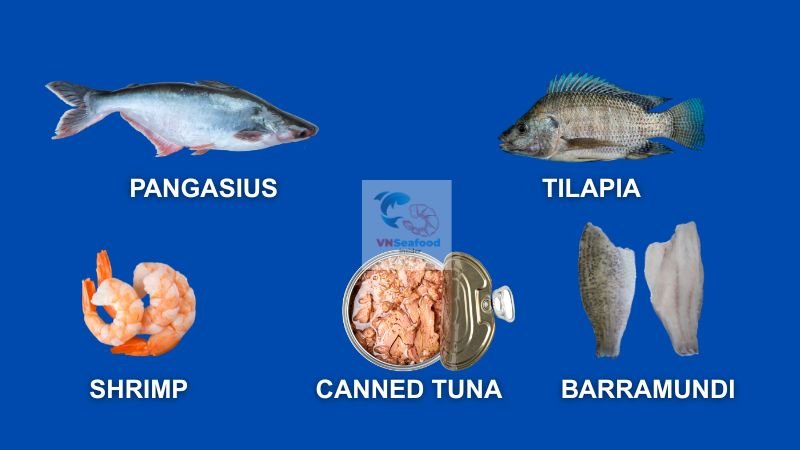
Pangasius is the obvious one. Nobody farms it at Vietnam’s scale or price. If your market wants affordable white fish fillets, this is where you shop.
Shrimp is the second pillar. Vietnamese shrimp exporters handle vannamei and black tiger with processing skills that took decades to build. Value-added shrimp, cooked, peeled, skewered, breaded, is where Vietnam quietly beats most competitors.
Canned tuna rounds out the top three. Vietnamese canneries serve buyers across the Middle East, Europe, and the Americas with consistent quality at workable prices.
The lesson? Source what Vietnam is genuinely great at. Do not ask a pangasius plant to become your salmon supplier.
Common Risks When Sourcing from Unverified Suppliers
Now the less fun part. Not every company with a website is a good factory.
Many are trading houses. Some are low-grade products facilities or scammers. They will happily take your deposit and figure out the fish later.
The usual problems look like this. Quality drops after the first container. Net weight comes in light because of heavy glazing. Certifications turn out to be expired, or borrowed from a different facility. Communication goes silent exactly when you need answers.
None of this means Vietnam is risky. It means unverified suppliers are risky, anywhere on earth.
Step 1 – Define What You Want to Buy Before Contacting Seafood Suppliers in Vietnam
Here is the mistake almost everyone makes. They start emailing factories before they know what they want. Then they get quotes they cannot compare, and the whole thing turns into soup.
Clarity first. Contact second.
Choose Products Where Vietnam Leads on Price or Quality
Pick products where Vietnam has a structural edge, either cheaper than alternatives or clearly better.
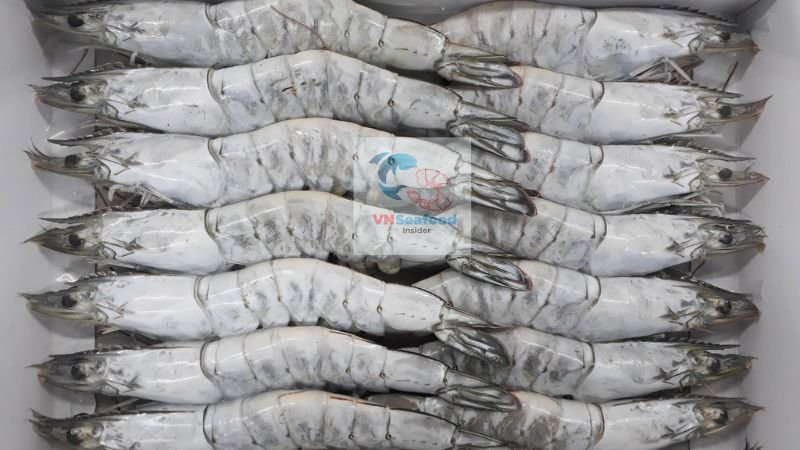
Pangasius, shrimp, and canned tuna are the safe starting points. You will find deep supplier pools, mature processing standards, and real price competition. That competition works in your favor.
Chasing a product Vietnam barely handles means fewer suppliers, weaker leverage, and more surprises.
Read more: How to Source High Quality Shrimp from Vietnamese Shrimp Suppliers
Research Target Market Specs: Sizing, Grading, and Packaging Standards
This step separates serious buyers from tourists. Before you ask for a single quote, study what your market actually buys.
What sizes move on your shelves? Pangasius fillets in 120-170g, or 170-220g? Shrimp at 31/40 or 41/50 count? What glazing percentage do your customers accept without complaining?
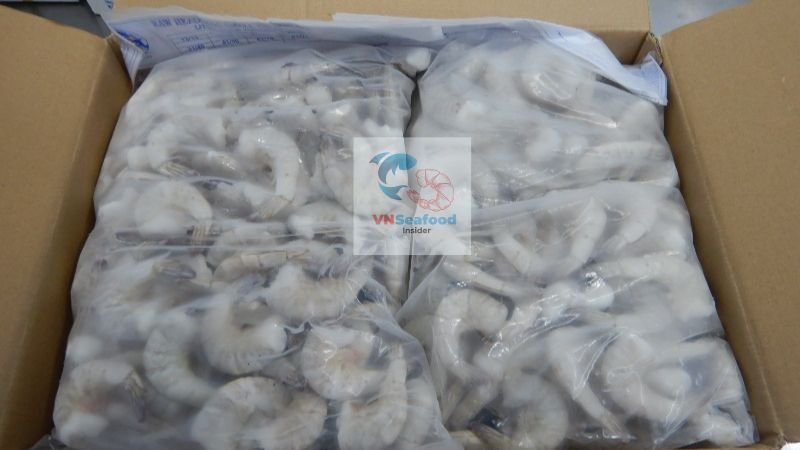
Then packaging. IQF or block frozen? 1kg retail bags or 10kg master cartons? Whose brand goes on the box, yours or theirs?
Walk through an importer’s cold store in your country. Photograph the labels. That homework is worth more than a hundred supplier emails.
Matching Your Import Market’s Preferences to Vietnamese Production Capacity
Your specs need to meet reality somewhere in the middle. Some Vietnam seafood processing plants run high-volume standard lines. Others specialize in fiddly value-added work with smaller minimums.
A factory built for 40-foot containers of standard fillets will not enjoy your 500kg trial of custom-portioned skin-on cuts. Match your ask to the right facility and both sides stay happy.
Step 2 – Build a List of Potential Seafood Suppliers in Vietnam
With specs in hand, go wide. The goal now is quantity, not perfection. Aim for fifteen to twenty names, then narrow later.
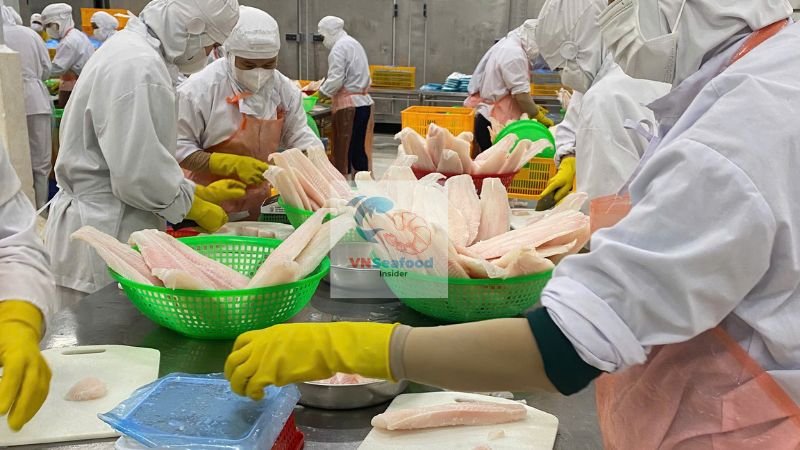
Where to Find Vietnamese Seafood Exporters (Trade Directories, Fairs, Associations)
Start with VASEP – the Vietnam Association of Seafood Exporters and Producers. Their member list is the closest thing to an industry phone book, and membership itself filters out some noise.
Trade fairs are your next stop. Vietfish in Ho Chi Minh City, Seafood Expo Global in Barcelona, and Seafood Expo North America all pull serious Vietnamese exporters.
You can also check the EU’s approved establishment list or your own country’s import registry. If a plant is approved for your market, that is a meaningful signal.
Using Online Platforms and B2B Marketplaces to Shortlist Candidates
Alibaba and similar platforms are fine for building a longlist. Just treat them as a starting point, not a verdict.
Look past the glossy photos. Does the company name match a real processing code? Is there a physical address in An Giang, Ca Mau, or Khanh Hoa? Or just a district office in the city?
Reverse image search the factory photos. You will be amazed how often the same production line appears on six different company websites.
Leveraging Local Sourcing Experts and Industry Insiders
There is a shortcut, and it is not cheating. People who already live inside this industry know which plants deliver and which ones overpromise.
That knowledge does not appear in directories. It comes from walking factory floors and watching who fails an audit in March. A good seafood sourcing agent in Vietnam can hand you a shortlist in days rather than months.
Step 3 – Contact and Narrow Down to 2–3 Trusted Seafood Suppliers
Now you cut. Twenty names down to two or three. You are not looking for perfection here, you are looking for evidence.

Evaluating Production Facilities and Processing Capacity
Ask for the facility’s export code. Every legitimate plant has one, and it should be traceable in official databases.
Then ask about capacity. Daily tonnage, cold storage volume, number of production lines.
Checking Certifications (BAP, ASC, HACCP, and Business Licenses)
Certifications are your baseline. HACCP is non-negotiable. BAP or ASC matters for most European and North American buyers. BRC or IFS opens retail doors.
Certificate numbers are searchable on the certifying body’s website. Check the expiry date, and check that the certified facility name matches your supplier exactly.
That last detail catches a surprising number of borrowed certificates.
Assessing Response Speed and Communication Reliability
This is the most underrated filter in the entire process.
How fast do they reply? Do they answer the question you asked, or a different one? Do they say “we cannot do that” when the answer is no?
A supplier who is slow and vague during courtship will not improve after the deposit clears. Communication quality now predicts problem-solving later. Trust that pattern.
Red Flags That Signal an Unreliable Supplier
Watch for these. Prices far below everyone else, with no explanation. Refusal to share the export code. Pressure for full payment up front. Vague answers about origin or farm location. A different contact person every week.
One red flag deserves a question. Three deserve a goodbye.
Step 4 – Request Samples to Test Product Quality
Paper looks great. Fish tells the truth. Never skip this step, even when you are in a hurry.
What to Evaluate in a Sample Shipment
Start with net weight. Thaw, drain, and weigh. Compare against the declared glazing percentage.
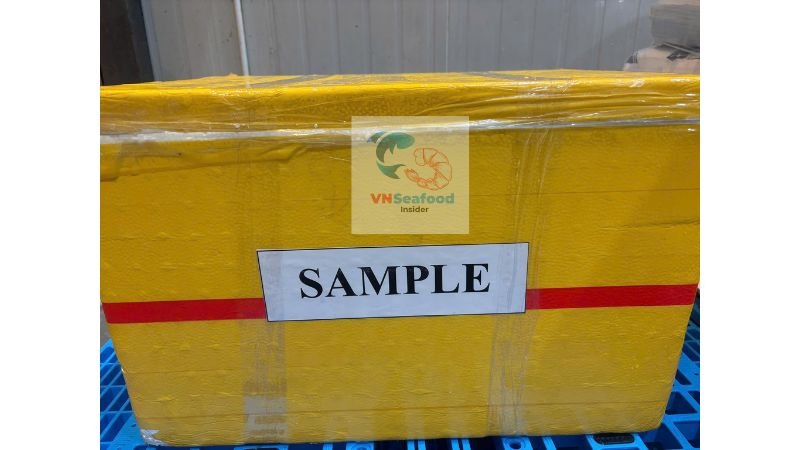
Then check color, texture, and odor. Cook a portion the way your customers will. Look at fillet trimming, bone presence, and packaging integrity.
Keep notes and photos. Those records become your reference point for every future shipment.
Sample-to-Bulk Consistency: What Buyers Should Watch For
Samples are often the factory’s best work. That is human nature. The real question is whether production matches it.
Write your sample specs into the contract with tolerance ranges. Then inspect the first container, either yourself or through a third party. Consistency is the whole game in frozen seafood suppliers in Vietnam, and it is worth verifying twice.
Step 5 – Place Your First Official Order with Confidence
You have a supplier, samples, and paperwork. Time to move, carefully.
Structuring a Trial Order Before Scaling Up
Start with one container, or even a part load if the factory allows it. Yes, the per-unit cost is higher. Consider it tuition.
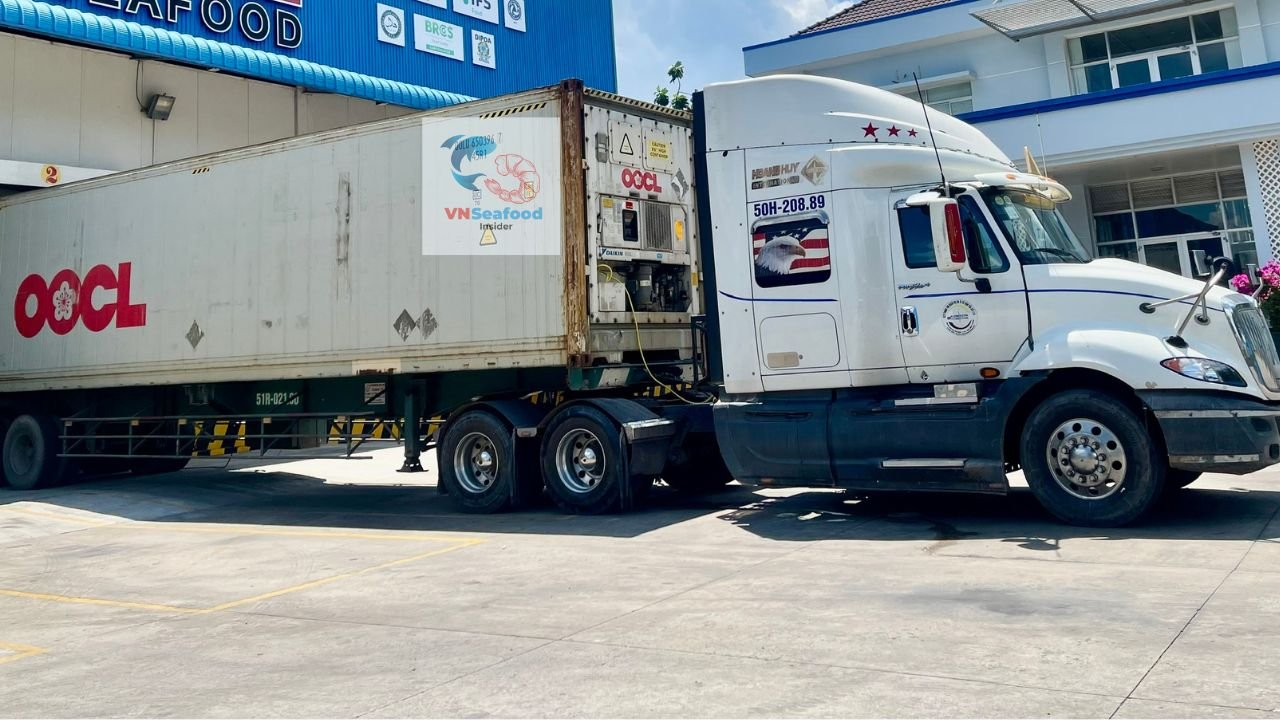
A trial order tests everything at once. Production quality, documentation accuracy, loading condition, shipping timeline, and how they handle the inevitable small problem.
Contract Terms and Quality Assurance Checkpoints
Put specs in writing with numbers, not adjectives. Size grades, net weight, glazing percentage, packaging details, and rejection criteria.
Use an L/C or a structured deposit-and-balance arrangement. Define Incoterms clearly. Name your inspection point, whether pre-shipment or on arrival.
Good contracts do not signal distrust. They prevent arguments.
A Faster Way to Source Seafood Suppliers in Vietnam: Using On-Site Sourcing Services
Everything above works. It also takes months and a fair number of frustrating emails. There is another route.
How On-Site Experts Like VN Seafood Insider Reduce Sourcing Costs and Time
On-site services do the legwork you cannot do from another continent. VNSeafoodInsider visits plants, verifies certificates in person, checks cold chain conditions, and watches production runs while they happen.
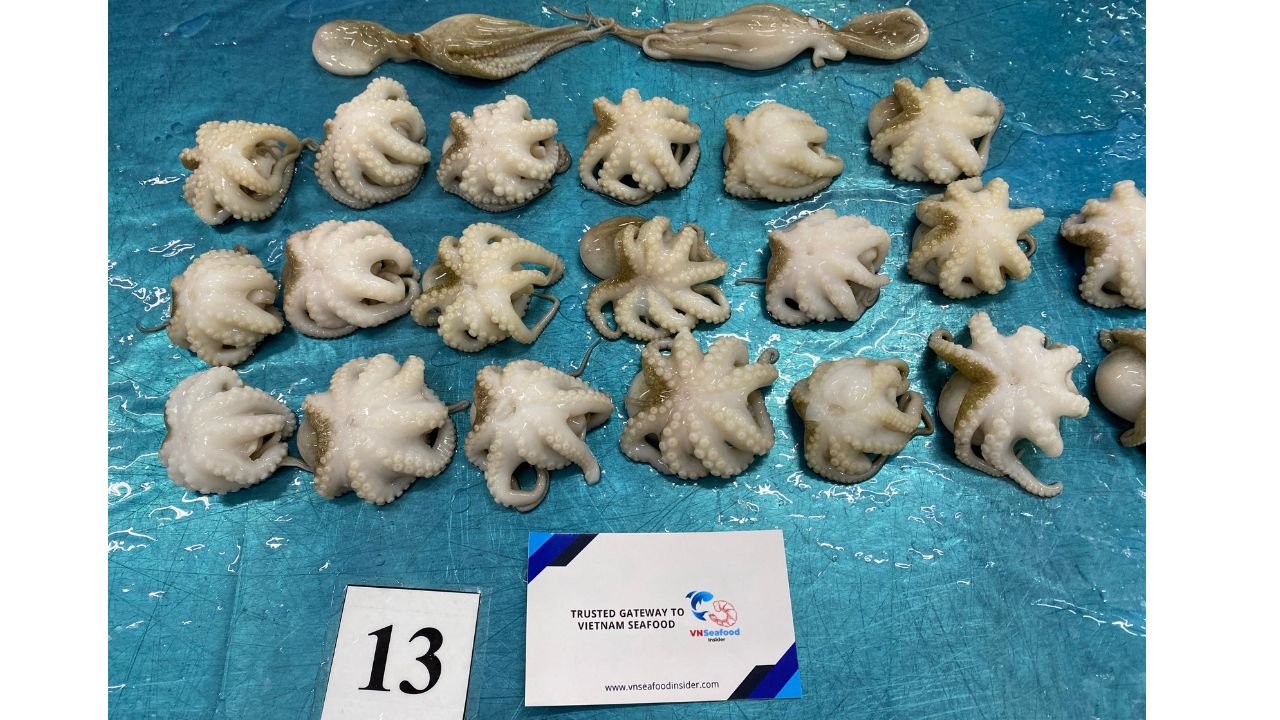
That closes the gap fast. Instead of guessing from a brochure, you get a shortlist of verified facilities that actually match your specs. Sourcing costs drop, and the timeline shrinks from months to weeks.
Furthermore, we also make the pre-shipment inspection seafood for all containers. It will help importers to be sure that the shipped products are exactly the same as the agreed contract.
When Outsourced Sourcing Makes Sense vs. Doing It Yourself
Do it yourself if you have Vietnam experience, time to travel, and patience to spare.
Bring in help if you are new to the market, working under a deadline, sourcing something technical, or scaling volumes where a single mistake costs more than the service fee. For most mid-size importers, the math favors help.
FAQs About Finding Seafood Suppliers in Vietnam
How Long Does the Sourcing Process Typically Take?
Two to four months on your own, from first search to first container. Sampling and shipping eat most of that. With on-site support, four to six weeks is realistic.
What Certifications Should a Reliable Vietnamese Supplier Have?
HACCP at minimum, plus a valid export code for your market. Add BAP or ASC for retail buyers, and BRC or IFS for supermarket programs. Verify every certificate number directly with the issuing body.
Can Small and Mid-Size Buyers Source Directly from Vietnam?
Absolutely. Plenty of plants accept single-container orders, and some handle mixed loads. Value-added specialists often run smaller, more flexible lines. You may pay slightly more per kilo, but direct sourcing still beats layered middlemen.
Key Takeaways – Sourcing Seafood Suppliers in Vietnam the Right Way
Define your product and specs before you email anyone. Build a wide longlist from trusted sources, trade fairs, and verified registries. Narrow to two or three based on facilities, real certifications, and communication quality.
Test samples properly. Start with a trial order. Put everything in writing.
Read more: Vietnam Seafood Export: Complete Guide for Importers
And remember, the best seafood suppliers in Vietnam are not hiding. They are just busy serving buyers who did the homework. Do the homework, or let VNSeafoodInsider do it with you, and Vietnam becomes one of the most dependable sourcing markets you will ever work with.
