Why Pre-Shipment Inspection Seafood Matters Before a Container Leaves Port
Here’s a simple truth. Once that container is sealed and loaded onto a vessel, your leverage disappears. Whatever’s inside — good or bad — is now your problem. Claims take months. Refunds are rare. Relationships break.
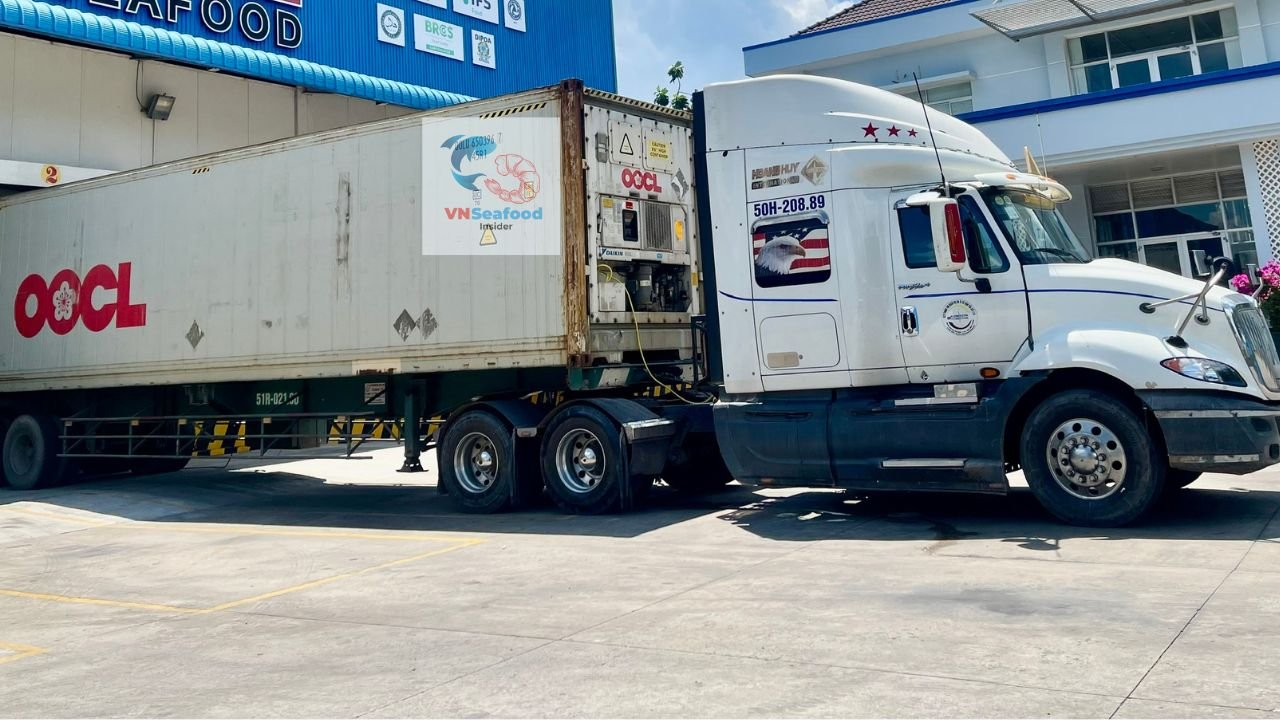
A proper seafood quality inspection before shipment catches issues when they’re still fixable. Wrong net weight? The factory can repack. Off-odor detected? You reject the batch. It’s that straightforward.
Think of it like checking your parachute before you jump. Nobody wants to discover a problem mid-air.
The VN Seafood Insider Pre-Shipment Inspection Process
Our inspection process follows a clear, repeatable structure. Every step is documented. Every finding is recorded. Nothing gets glossed over because a factory manager smiled and said “no problem.” We’ve heard that phrase enough times to know it sometimes means the opposite.
Here’s exactly what happens, step by step.
Step 1 — Random Sampling and Cold Storage Temperature Check
Our VNSF Insider Team pulls roughly 1% of the total shipment directly from the cold store. If your order is 2,000 cartons, we will select about 20 cartons at random. Not the ones sitting conveniently at the front — random means random.
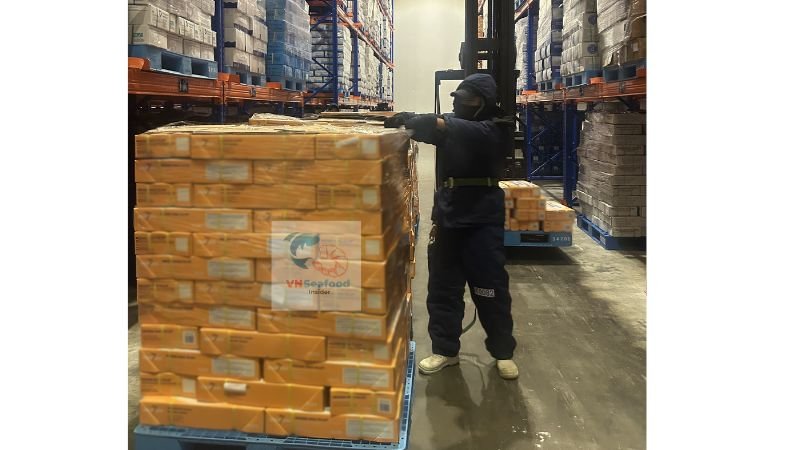
At the same time, we check core temperature of product and the cold storage temperature.
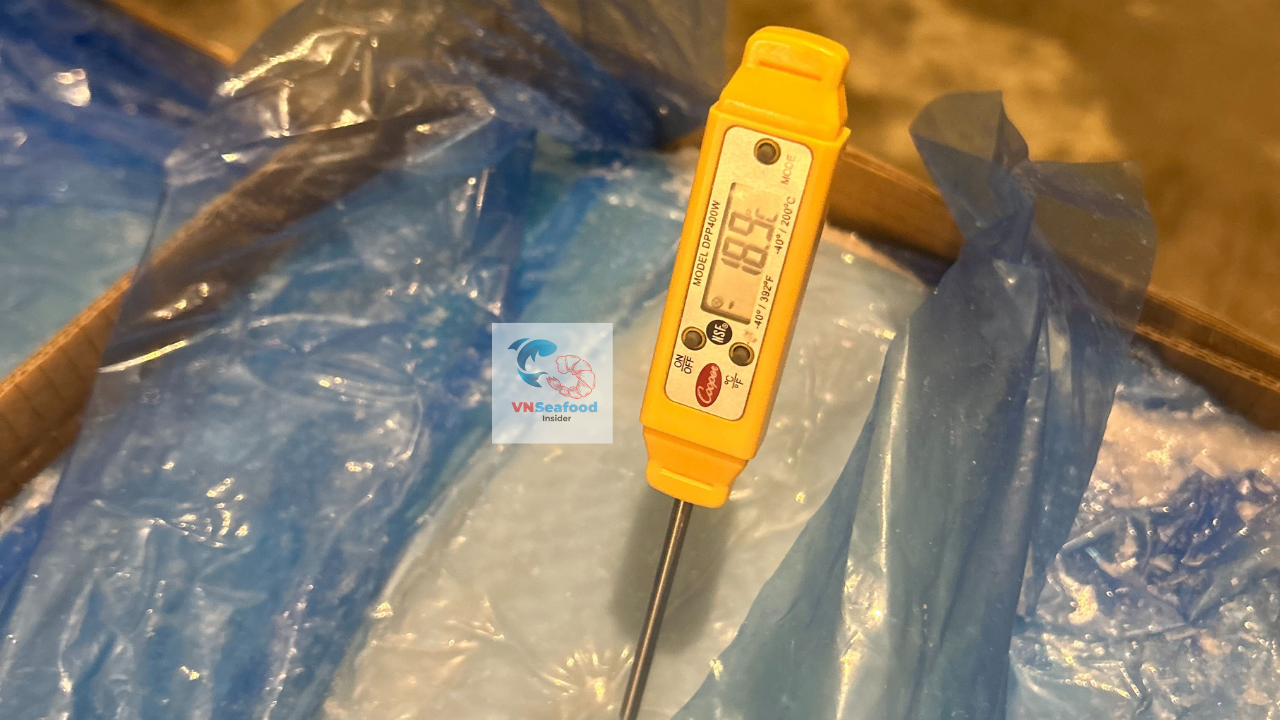
The requirement is ≤ minus 18°C. In well-run factories, cold storage typically sits at minus 20–21°C. That extra cushion tells you something about how seriously a facility takes frozen seafood quality control.
Step 2 — Gross Weight Verification with Calibrated Scales
Every selected carton gets weighed — with packaging and without.
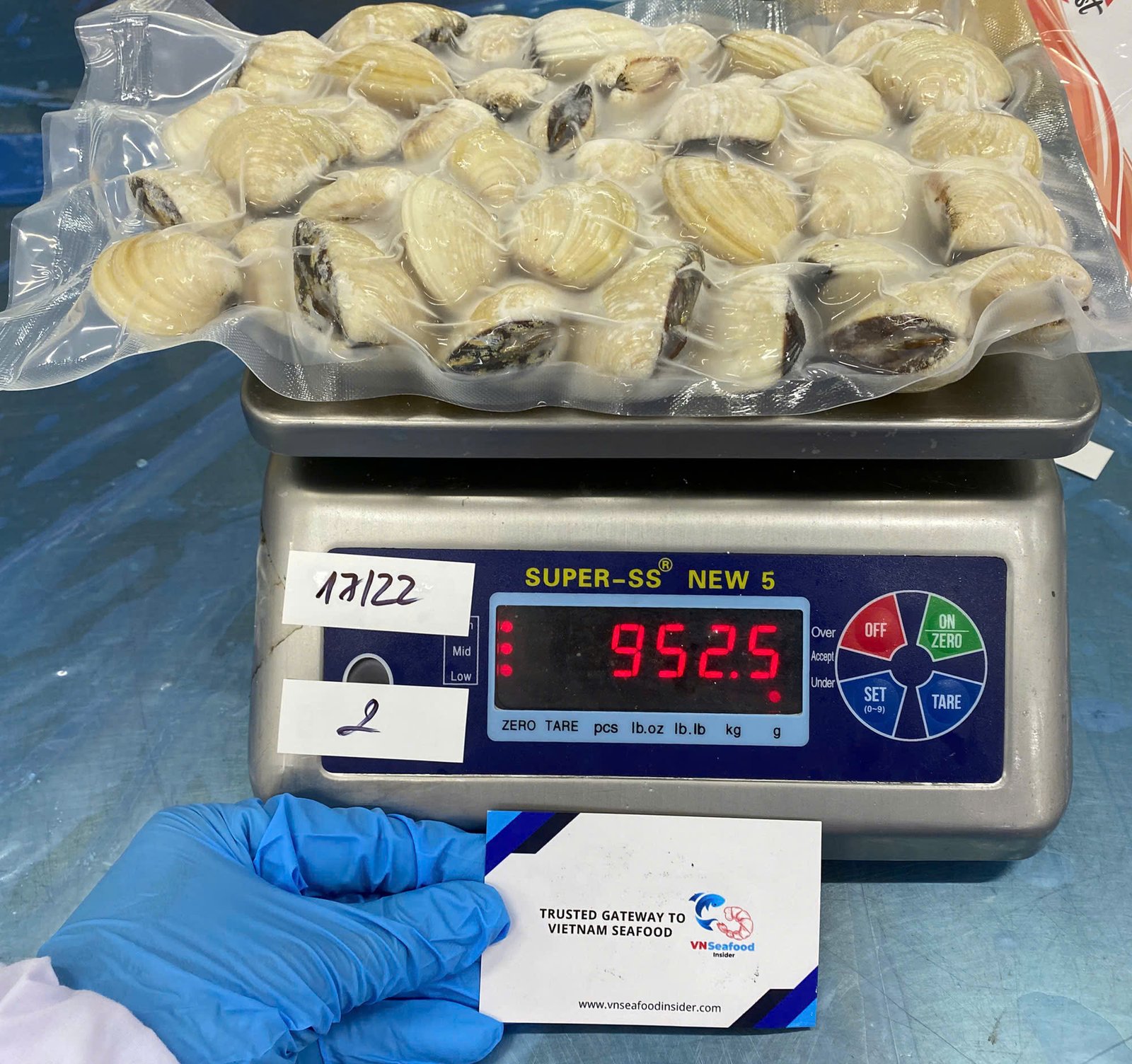
Before we start, we verify scale calibration using a 1kg or 2kg test weight. It sounds like a small detail. It’s not. An uncalibrated scale can hide systematic short-weighting across thousands of cartons.
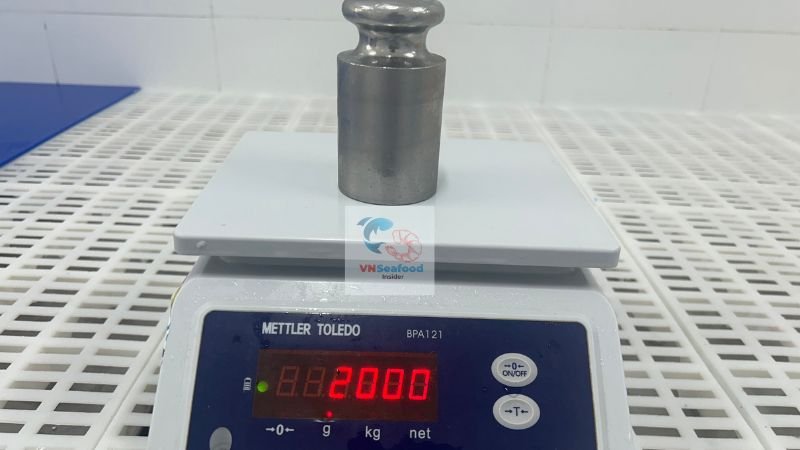
This weight verification step protects you from discrepancies that add up fast. A 200-gram shortage per carton across 2,000 cartons? That’s 400 kilograms of product you paid for but didn’t receive.
Step 3 — Net Weight Check Using AOAC Methods
This is where things get precise. We thaw the product in water at 25–27°C, drain it for 5 minutes following AOAC methodology, then check net weight both by full carton and piece by piece.
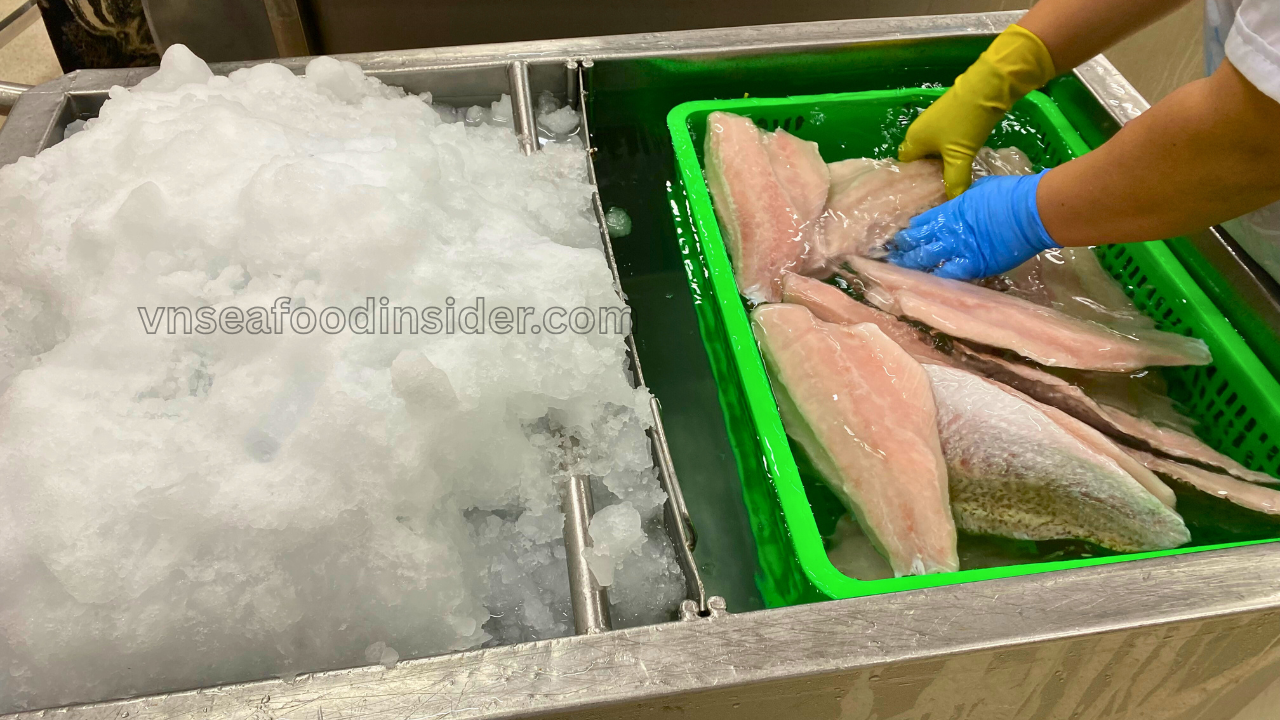
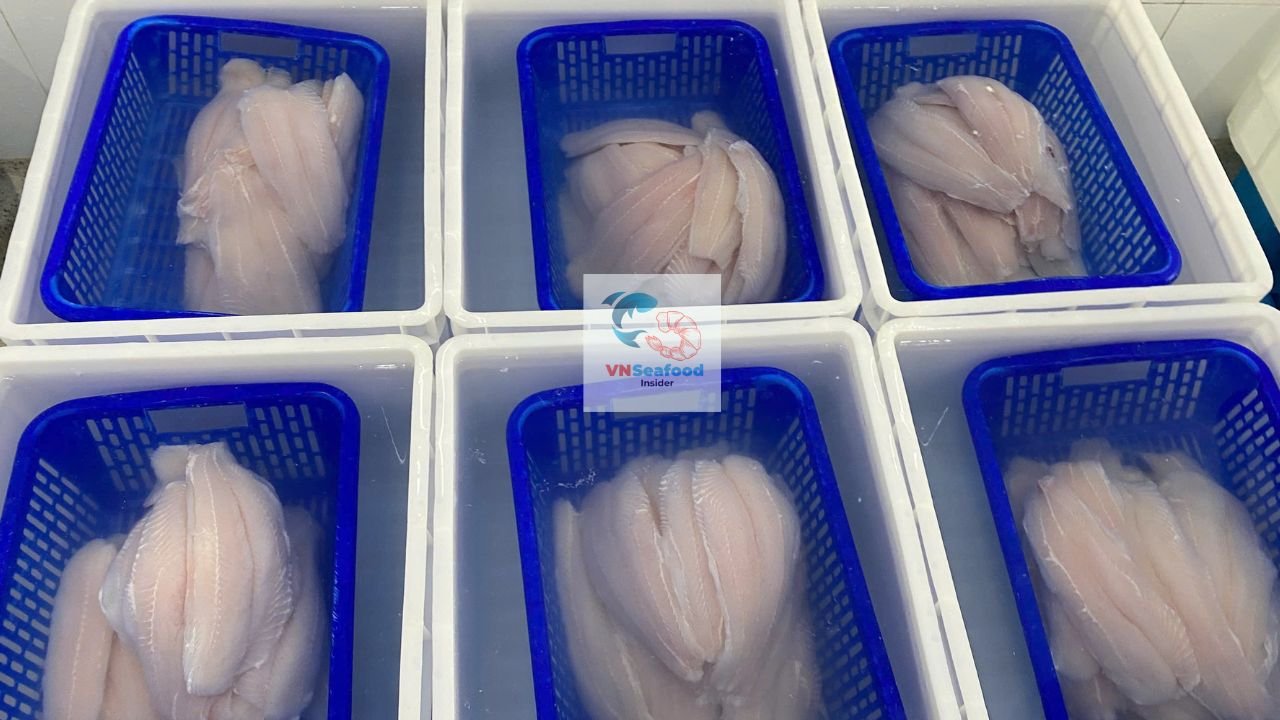
Why does this matter?
Because glazing percentage can mask the real weight of your seafood. This step reveals exactly how much actual product you’re getting versus how much is ice.
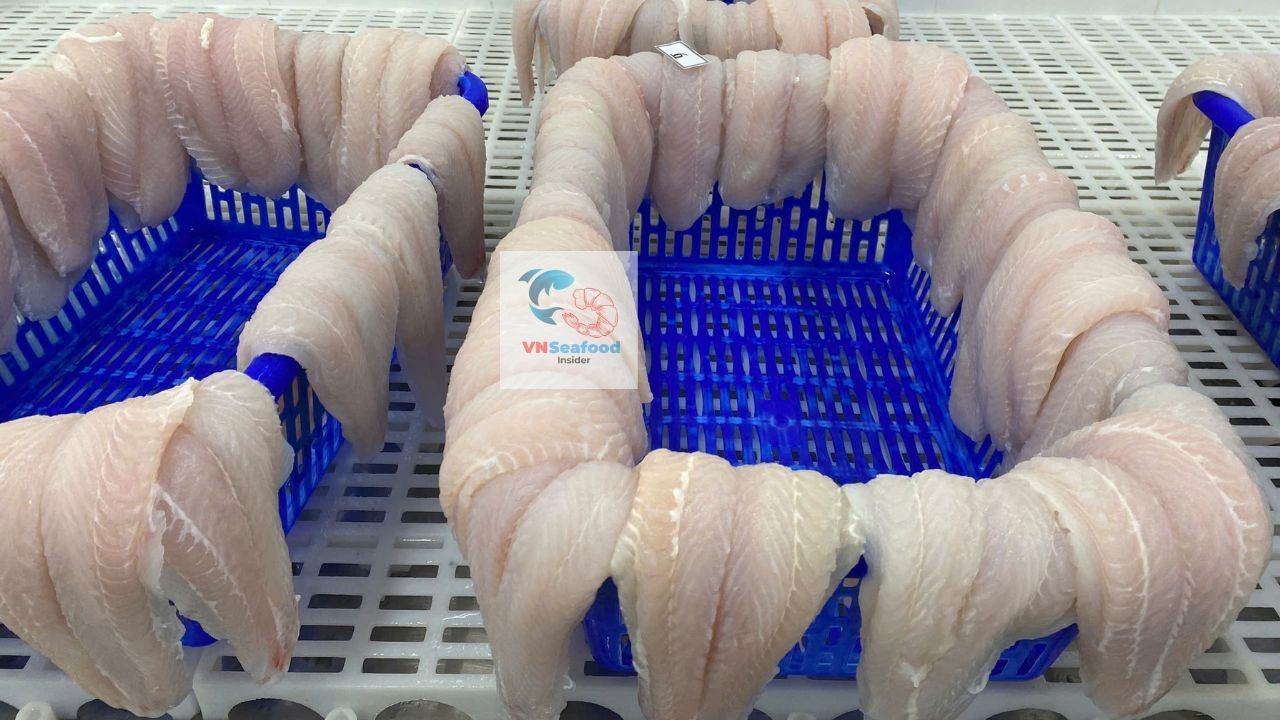
Step 4 — Sensory Inspection for Product-Specific Defects
Not every defect matters equally for every product. Our auditors know what to look for based on the specific item being inspected. We’ll cover the details by product type in the next section, but the principle is simple: we check for the defects that actually matter to end buyers.
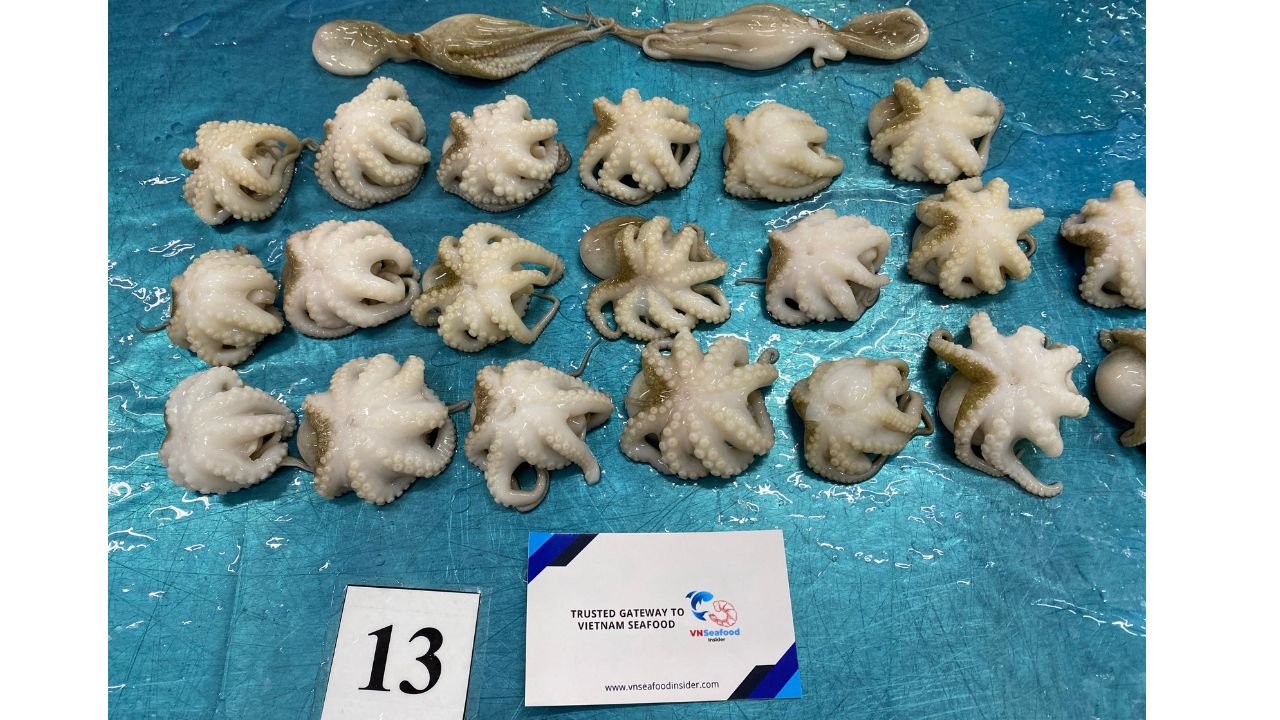
A consumer in Europe or US doesn’t care about your factory’s ISO certificate. They care that the fish fillet on their plate looks clean, smells fresh, and tastes right.
Step 5 — Texture and Moisture Testing
For certain products, we cut samples open to examine the muscle structure. We also test moisture content where applicable.
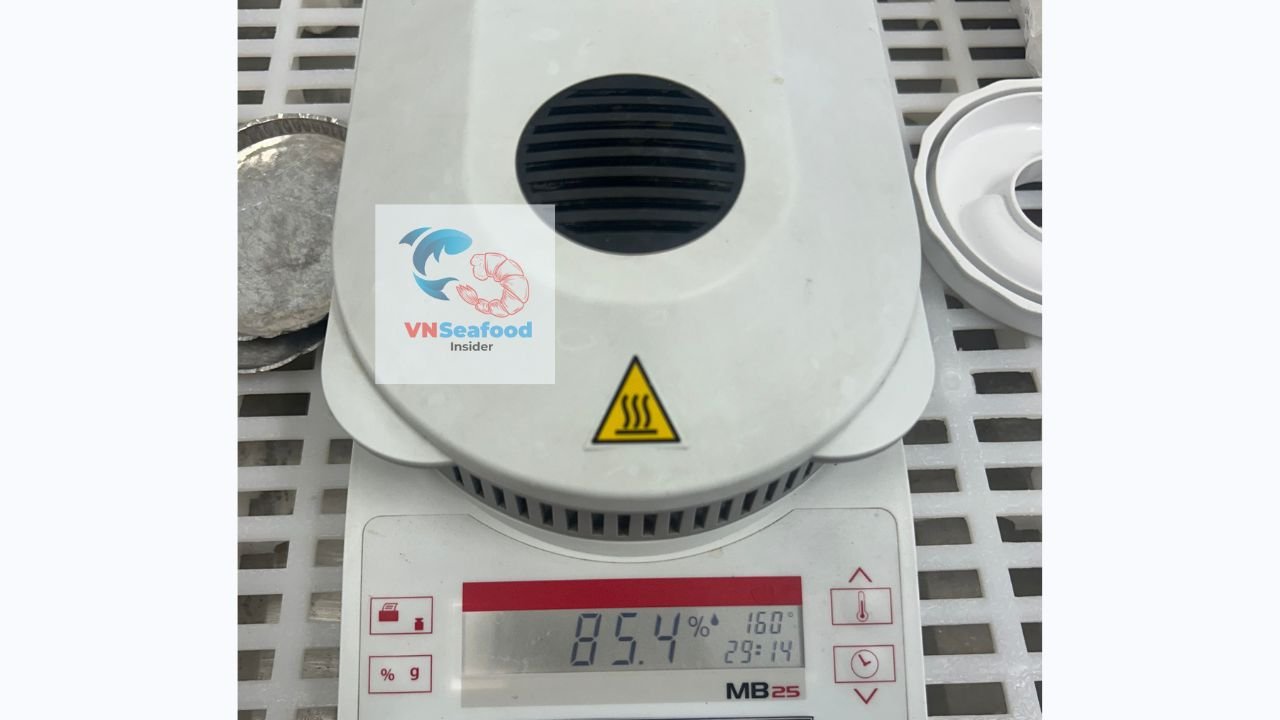
Why? Because higher-than-normal moisture levels often indicate the product was soaked to absorb extra water. You end up paying seafood prices for water weight. It’s one of the oldest tricks in the book, and a proper pre-shipment inspection seafood process catches it every time.
Step 6 — Cooking Test for Off-Odors and Taste
We’ll cook a sample right there at the facility.
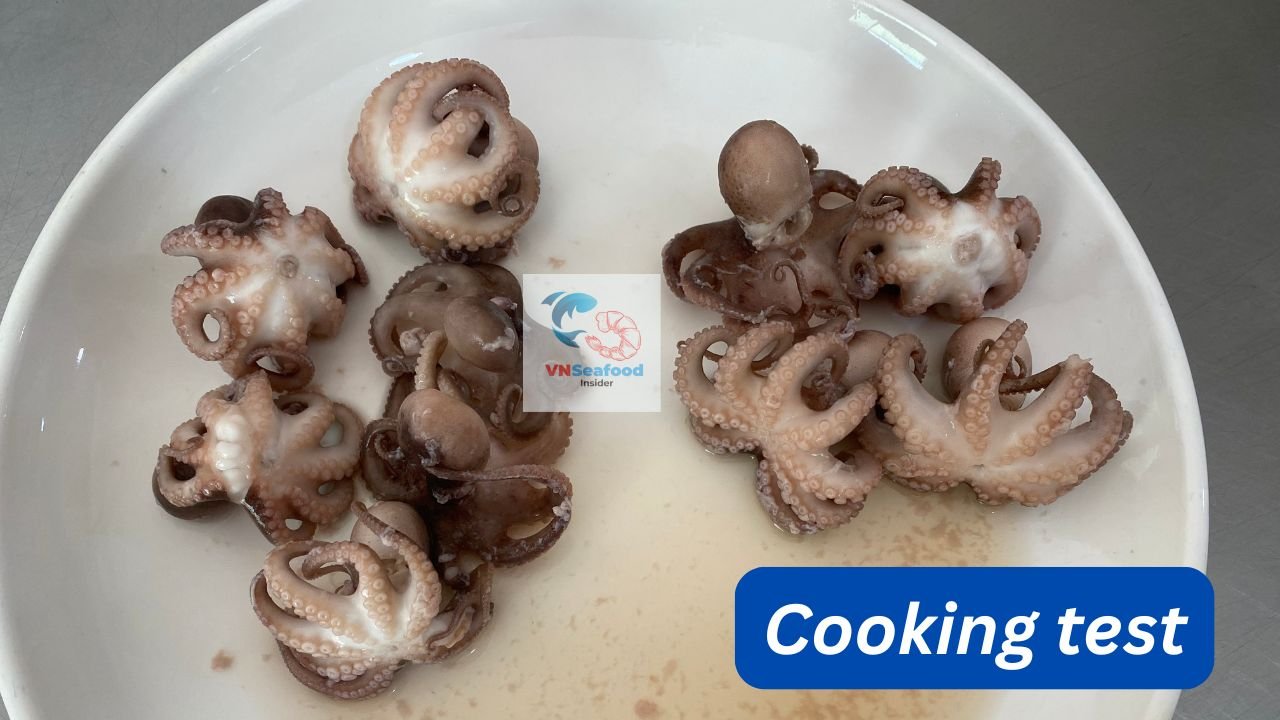
We’re checking for muddy smell, chemical off-notes, and any taste that would make an end consumer push their plate away.
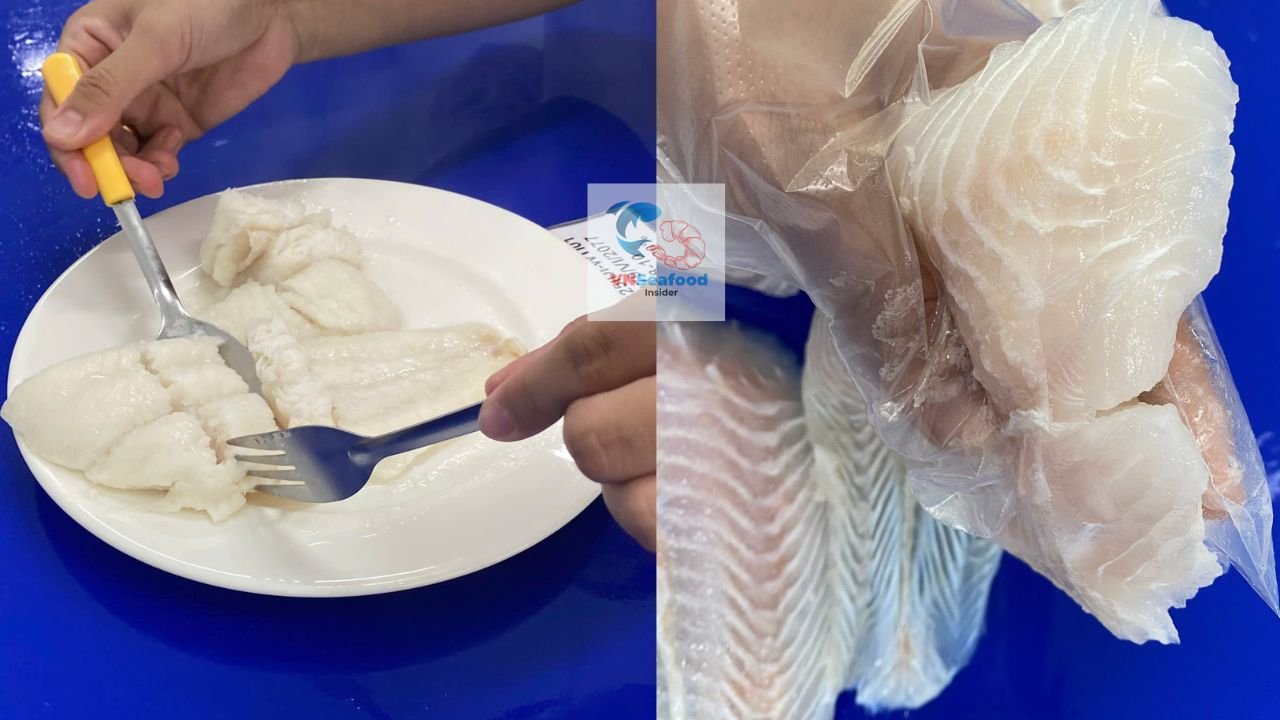
This step is surprisingly revealing. Some defects only show up when heat is applied. A raw fillet might look perfect but smell like a pond once it hits the pan. Better to discover that in Vietnam than in your customer’s kitchen.
Step 7 — Final Inspection Report and Photo Documentation
Within 1–2 working days, you receive a complete written report from our VNSF Insider auditor. We also send full photographs of the products and the entire inspection process — sampling, weighing, defect examples, temperature readings, everything.
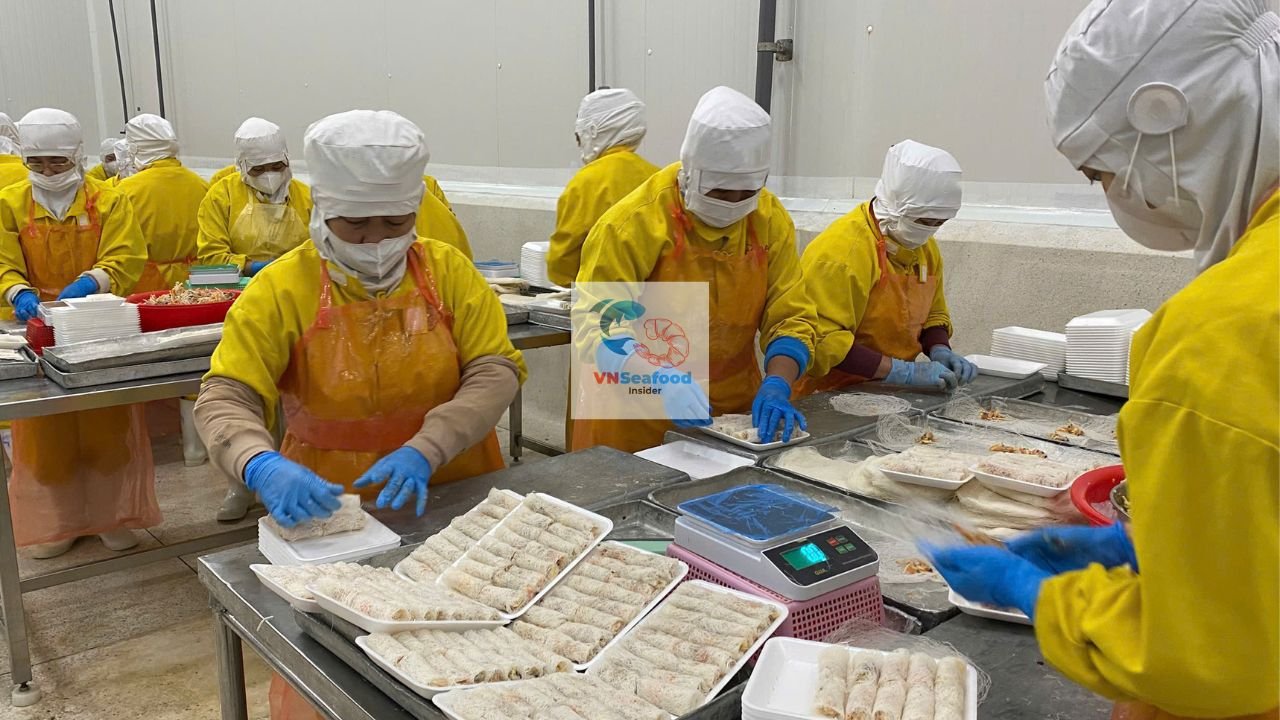
You see what we saw. No guessing.
Sensory Defects by Product Type
Different products have different risk profiles. Here’s what our team specifically watches for during seafood product inspection.
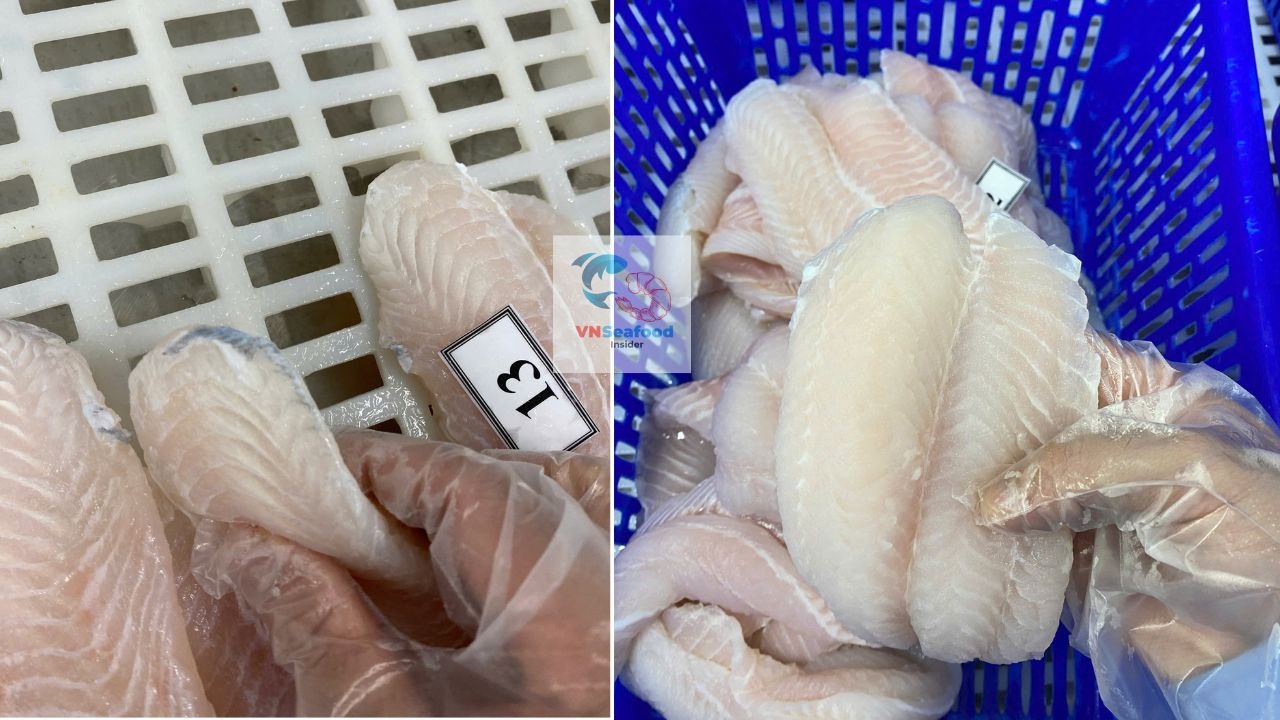
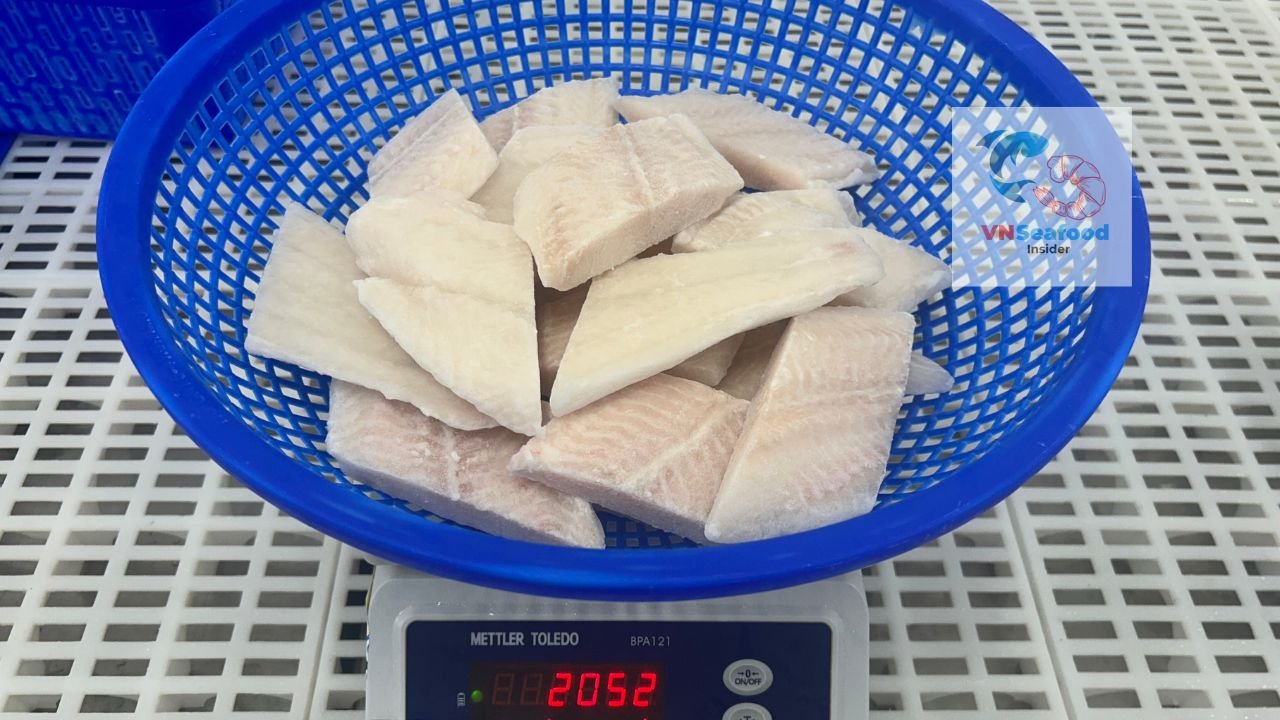
Fish Fillets: Red Meat, Soft Bone, Tears, Residual Skin
For fillets, we check whether the product is well-trimmed. Common defects include red meat left on the surface, soft bones missed during processing, tears in the flesh, residual skin, and red spots. These are the issues that trigger complaints from retail buyers.
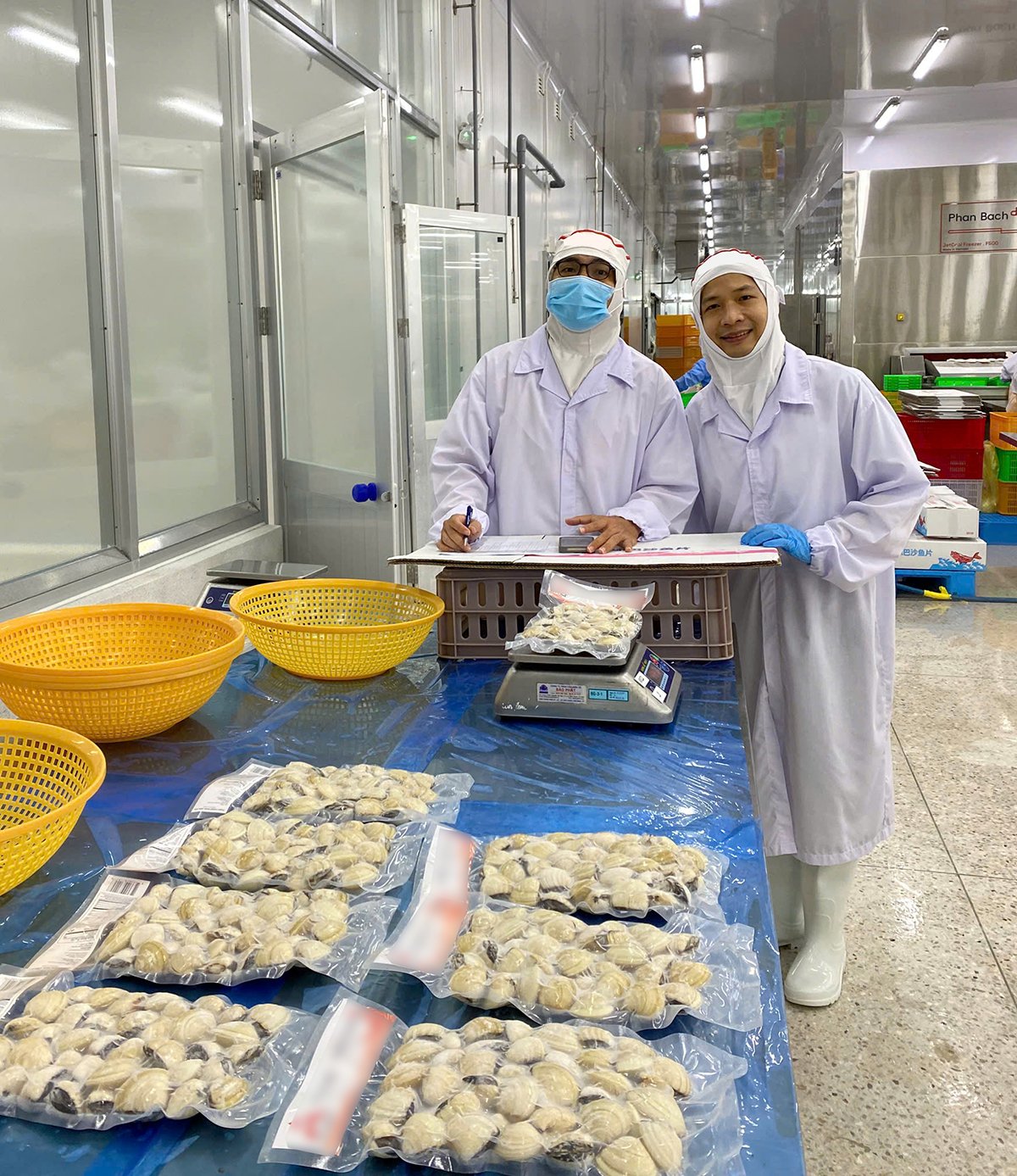
Clams: Odor, Broken Shell, Abnormal Pieces
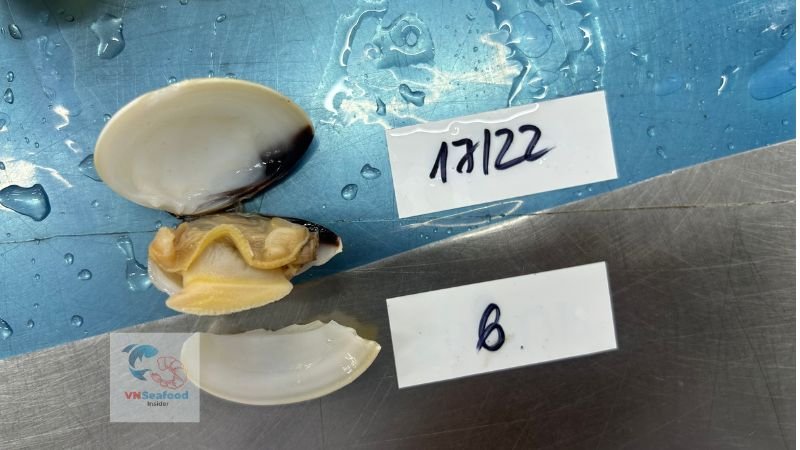
Clam inspection focuses on off-odor, broken shells, and abnormal-looking pieces. A single batch with a noticeable smell can result in an entire shipment rejection at the destination port.
Read more: Vietnamese White Clams: Everything Importers Should Know Before Sourcing
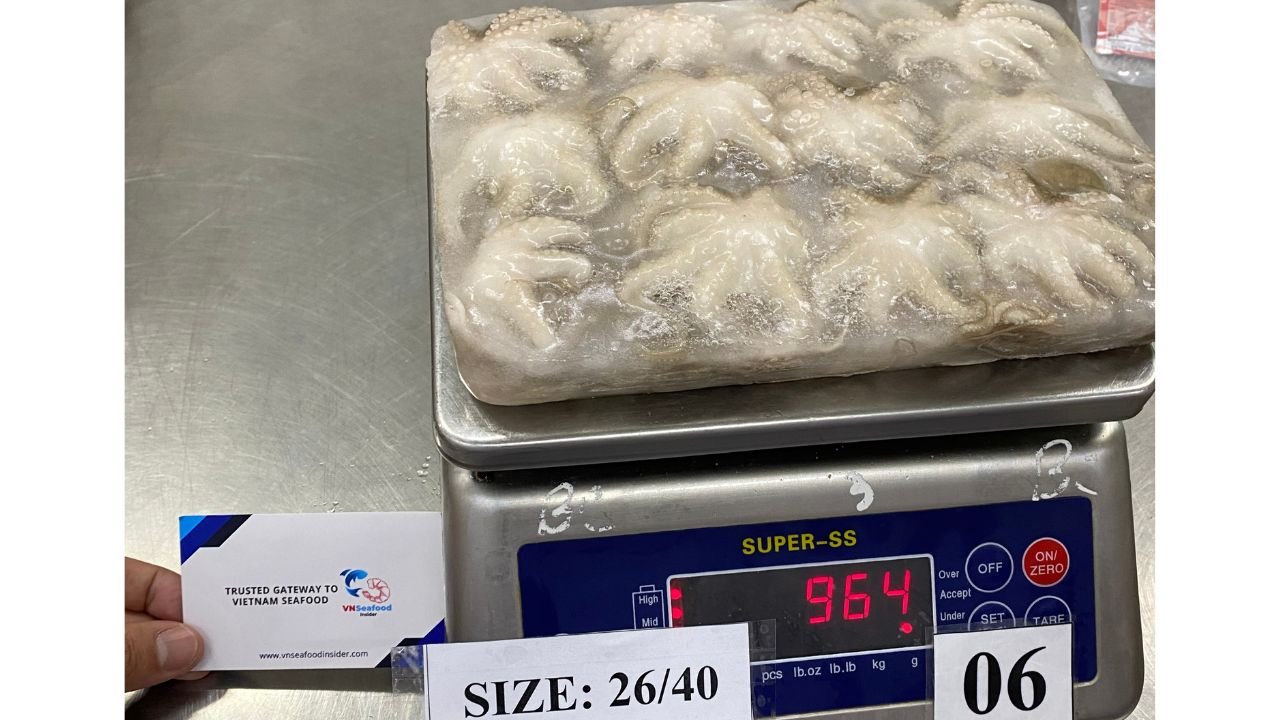
Octopus: Broken Legs, Teeth Leftover, Abnormal Color
For octopus, we look for broken legs, teeth that weren’t properly removed, and any abnormal color that signals quality degradation. These defects are immediately visible to buyers and erode confidence quickly.
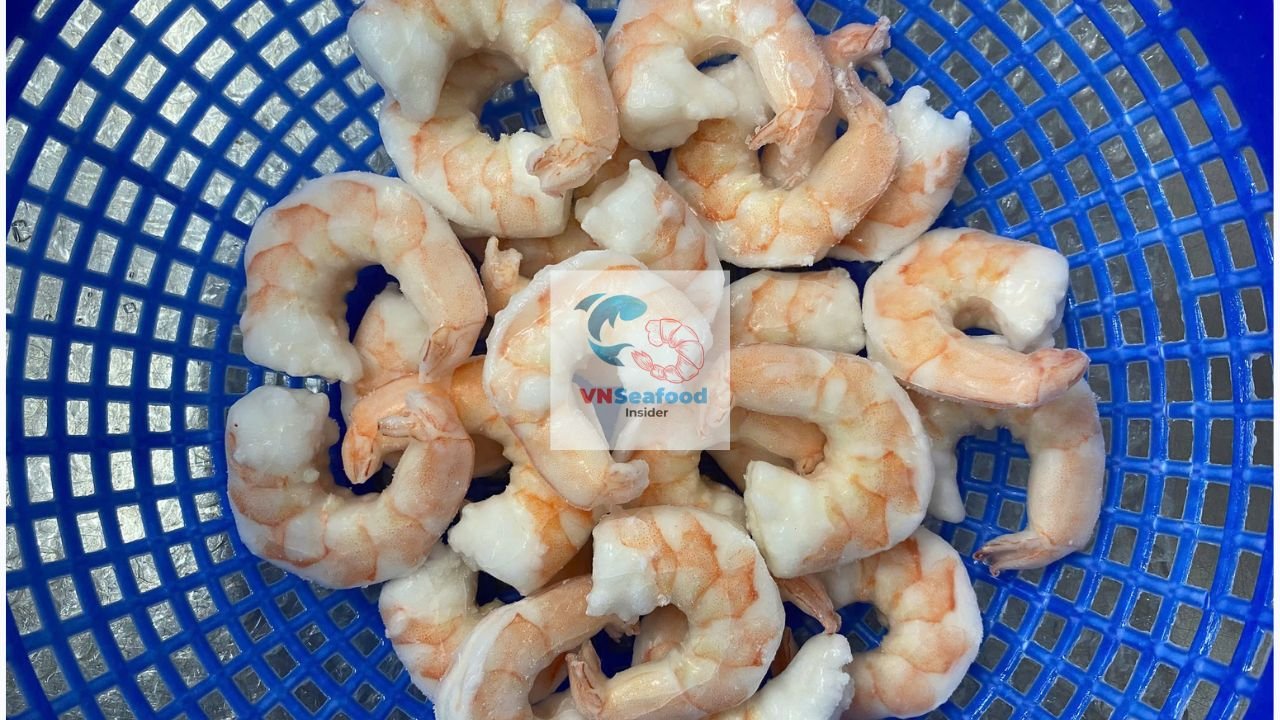
Shrimp: Size Consistency, Black Spots, Broken Pieces, Shell Residue
Shrimp inspection covers size count accuracy, black spots (melanosis), broken or crushed pieces, and residual shell fragments on peeled products. Size inconsistency is one of the most common complaints from shrimp importers — and one of the easiest problems to catch before shipment.
How Pre-Shipment Inspection Protects Seafood Importers
Beyond quality, our inspection process solves two practical problems that every importer faces.
Avoiding Weight and Quality Discrepancies
Short weight and hidden defects cost real money. A thorough pre-shipment inspection seafood process creates accountability. When factories know every container will be inspected, standards tend to stay higher. Funny how that works.
Faster Buyer Approval with Full Documentation
When you forward our inspection report and photos to your buyer, approvals come faster. Your customer sees evidence — not promises. That kind of seafood shipment documentation builds trust and speeds up the entire supply chain.
Read more: Vietnam Seafood Export: Complete Guide for Importers
Partner with VN Seafood Insider for Reliable Pre-Shipment Inspection
At VNSeafoodInsider, you’re protected in 2 rounds, the products are not only produced by trusted seafood processing facilities, but also inspected by our team every container before it ships. That’s not a marketing line — it’s how we operate. Our process is built on practical steps, honest reporting, and the understanding that your reputation depends on what arrives at the other end.
If you want to know how this applies to your next seafood shipment from Vietnam, we’re glad to walk you through it. Reach out to our team, and let’s make sure your next container is one you can stand behind with confidence.
