The Vietnam Seafood Supply Chain in 2026 Faces a New Cost Reality
For most of late 2025 and the opening weeks of 2026, things felt manageable. Ocean freight rates held relatively steady. Buyers could plan shipments with reasonable confidence in landed costs. That stability lasted right up until about February 28.
Then, almost like someone flipped a switch, things changed.
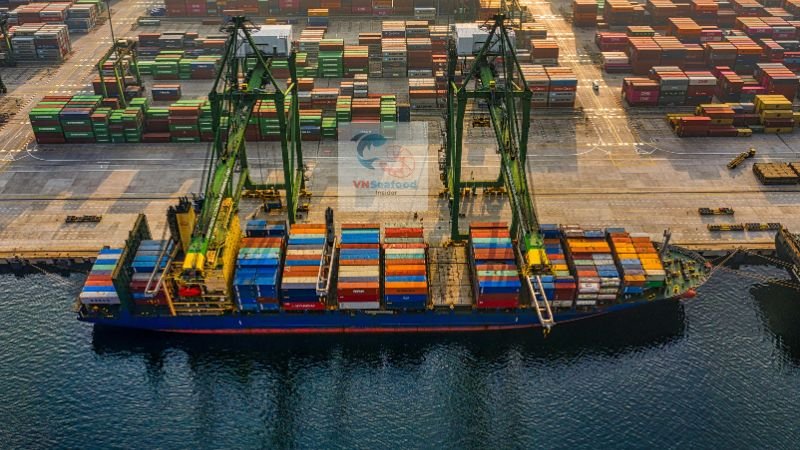
By early May, rates started climbing. By mid-June, they were sprinting. The tuyến routes hit hardest? The ones that matter most to seafood buyers: US and Canada shipping lanes. We’re not talking about modest seasonal bumps here. We’re talking about rates doubling, even tripling, compared to the stable period just a few months earlier.
For importers of frozen shrimp from Vietnam, pangasius fillets, or tuna — products that move in reefer containers with tight cold chain requirements — this isn’t just a logistics headache. It’s a fundamental shift in the cost structure of your supply chain. And pretending it’s temporary could be an expensive mistake.
What’s Driving Freight Rates Up — And Why It’s Not Slowing Down
The uncomfortable truth is that this surge isn’t caused by one thing. It’s a pile-up of factors, each reinforcing the others. Let’s unpack the three biggest ones.
Middle East Tensions and the Hormuz–Red Sea Rerouting Effect
This is the elephant in the room — or rather, the elephant blocking the canal.
Ongoing geopolitical instability in the Middle East, particularly risks around the Strait of Hormuz and continued hostilities near the Red Sea, has pushed most major carriers to reroute vessels around the Cape of Good Hope. That detour adds roughly 10–14 days to Asia-Europe voyages. More days at sea means more fuel burned, fewer available vessels in rotation, and — inevitably — less capacity for everyone.
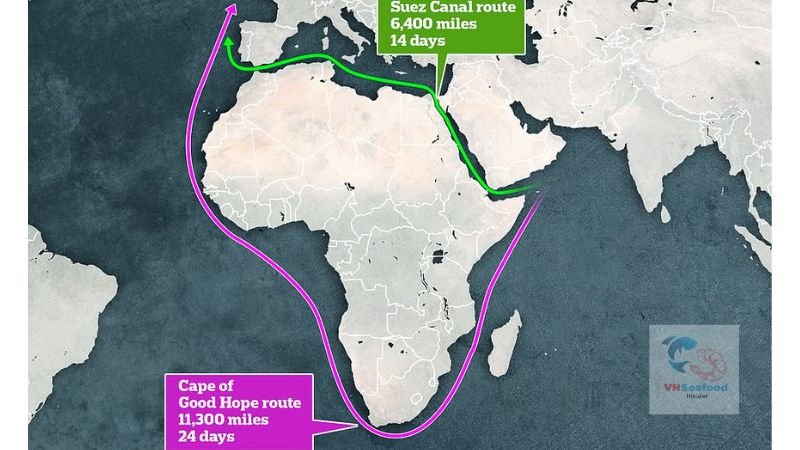
The math is brutally simple. When the same number of ships take longer to complete each loop, effective supply shrinks even if demand stays flat. And demand hasn’t stayed flat. It’s really matter to the Vietnam seafood supply chain in 2026.
Early US Import Surge Is Tightening Container Space
Here’s where it gets interesting. Many US importers and retailers have been frontloading orders, rushing to get goods stateside before potential new tariff costs kick in. It’s a rational move for individual buyers, but collectively, it’s created a traffic jam.
Booking volumes have compressed available container space on transpacific routes. If you’ve tried to secure a slot on a vessel to Los Angeles or New York recently, you’ve probably felt this firsthand. Space that was available with two weeks’ notice in March now requires three to four weeks — if you’re lucky.
China’s Booking Spike Is Squeezing Reefer Capacity
Meanwhile, Chinese exporters have ramped up their booking volumes significantly. This matters enormously for Vietnamese seafood exporters because reefer containers — the refrigerated units essential for frozen seafood — are a finite resource. When China’s factories are grabbing every available reefer slot, there are simply fewer left for shipments out of Ho Chi Minh City or Hai Phong.
The result? A perfect storm of high demand, constrained supply, and rising costs across virtually every major trade lane.
Route-by-Route Freight Rate Breakdown: What Importers Are Actually Paying
Numbers tell the story better than adjectives. Here’s what VNSeafoodInsider is seeing on the key routes for seafood shipping from Vietnam.
Vietnam to US West Coast (Los Angeles) — Up 232% from Pre-Crisis Levels
In the second half of June 2026, ocean freight to Los Angeles hit approximately 6,500 USD/FCL. That’s a 27% jump from just the first half of the same month, when rates sat around 5,100 USD/FCL. Compared to late May, it’s a 90% increase — roughly 3,150 USD more per container.
But the real jaw-dropper comes when you compare it to the stable baseline before February 28. That’s a 232% increase, or about 4,650 USD in additional cost per forty-foot container. For a buyer shipping 20 containers of shrimp per month, that’s an $93,000 of vietnam seafood supply chain additional cost per month.
Vietnam to US East Coast (New York) — Up 182% Since February
The East Coast picture is no prettier. Late June rates to New York reached approximately 7,900 USD/FCL, up 23% from early June’s 6,400 USD/FCL level. Against late May, the increase was 70%, adding about 3,250 USD per box.
Measured against the pre-February baseline, rates have climbed 182% — an absolute increase of around 5,100 USD/FCL. If you’re importing pangasius fillets or processed tuna through East Coast ports, these numbers are now baked into your landed cost whether you like it or not.
Vietnam to Canada (Toronto/Montreal) — Approaching $10,000/FCL
Canadian buyers, brace yourselves. Freight to Toronto and Montreal in the second half of June reached approximately 10,050 USD/FCL. That’s 17% above the first half of June and a staggering 73% above late May levels — adding about 4,250 USD per container.
Against the pre-crisis baseline, this route has seen a 114% increase, or roughly 5,350 USD in additional cost per FCL. For a market that already operates on thinner margins than the US, these numbers are genuinely painful.
Vietnam to Europe (Rotterdam, Hamburg, Felixstowe) — GRI Surcharge Pushes Rates Higher
European routes were sitting around 4,700 USD/FCL in early June — elevated but not catastrophic. Then carriers dropped the hammer. Multiple shipping lines simultaneously applied General Rate Increases (GRI) of over 1,000 USD per 40-foot container on Asia–Northern Europe lanes from mid-June onward.
For European seafood buyers sourcing from Vietnam, this means actual costs are now pushing well past 5,700 USD/FCL — and climbing.
How Surging Shipping Costs Impact Vietnamese Seafood Categories
Not all products feel freight pressure equally. The impact depends on product value, shipping requirements, and market dynamics. Here’s how the three biggest categories in vietnam seafood supply chain are faring.
Shrimp Exporters Bearing the Heaviest Pressure on Margins
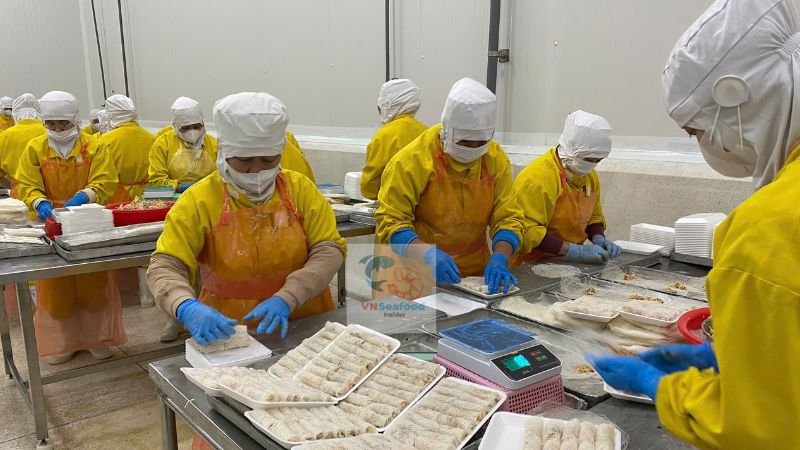
Vietnam shrimp exports move almost exclusively in reefer containers, which already carry surcharges above dry cargo rates. When base freight doubles and reefer premiums stack on top, the squeeze becomes severe. Processors are caught between buyers demanding stable prices and logistics costs that won’t cooperate.
Extended transit times from rerouting also create cold chain compliance risks. Longer voyages mean more time at controlled temperatures, more fuel for reefer units, and greater exposure to delays that could compromise product quality.
See more: Vietnam Shrimp Export: Complete Guide for Importers & Distributors
Pangasius Fillets Caught Between Freight Costs and Softer Market Demand
Pangasius from Vietnam faces a double bind. The Middle East — traditionally one of the largest pangasius markets — is precisely the region where geopolitical disruption is most acute. Shipping to that region has become both more expensive and less predictable.
At the same time, demand in some Western markets has softened. When freight costs rise but selling prices can’t easily follow, exporters absorb the pain. Some smaller processors are already deferring shipments, waiting for either rates to ease or buyers to accept higher prices. Neither seems imminent.
Tuna and Other Species: Fuel Costs Raise Raw Material Prices Upstream
Here’s a wrinkle that’s easy to overlook. Rising fuel prices don’t just affect container ships. They also hit fishing fleets. When diesel costs more, it costs more to run a tuna purse seiner or a squid jigger. Those upstream costs eventually flow into raw material prices at processing plants.
So tuna importers face a double escalation: higher prices for the fish itself, plus higher freight to move the finished product. It’s a cost sandwich, and the buyer is the bread.
See more: Vietnam Tuna Export to Russia and Japan: Growing Opportunities for Importers in 2026
What the Outlook Looks Like for the Vietnam Seafood Supply Chain Through Q3 2026
Let’s be honest with each other. VNSeafoodInsider isn’t going to sugarcoat this.

Industry analysts and major carriers are projecting that freight rates will remain elevated through at least Q3 2026. The key variables to watch are straightforward: whether seafood shipping disruption Middle East 2026 de-escalate enough for carriers to resume Red Sea transits, whether carrier schedules stabilize, and whether real US demand holds after the frontloading wave passes.
Some softening is possible in late Q3 if all three factors break favorably. But banking on that would be optimistic.
Several logistics advisors in Vietnam are explicitly recommending that seafood importers plan for a sustained high-freight environment rather than hoping for a return to late-2025 rate levels. That means recalculating landed costs now, not later. It means having honest conversations with suppliers about who bears what share of the increase. And it means treating logistics as a strategic function, not an afterthought.
5 Practical Steps Seafood Importers Should Take Right Now
Enough diagnosis. Here’s the prescription. These are concrete actions you can take today to protect your margins and maintain supply continuity.
Book Space 3–4 Weeks in Advance to Avoid Vessel Shortages
The days of last-minute bookings are over — at least for now. Space on vessels to North America is genuinely scarce. Work with your forwarder to secure container slots a minimum of three to four weeks before your target sailing date. Yes, this requires more forward planning. No, there isn’t a shortcut.
Lock In Q3 Freight Rates Before Peak Season Fully Kicks In
If your forwarder or carrier offers the option to lock rates for Q3 shipments, seriously consider it. Rates are high now, but they may go higher. Locking freight rates for July through September shipments could save you from even steeper costs if peak season demand intensifies further.
Renegotiate Cost-Sharing with Suppliers — FOB vs. CIF Terms Matter Now
This is the moment to revisit your Incoterms arrangements. If you’re buying CIF, your Vietnamese supplier is absorbing freight risk — but they’ll need to price that in. If you’re buying FOB, you control the logistics but own the cost volatility in the vietnam seafood supply chain. Neither is inherently better right now, but both parties need to understand who’s exposed and negotiate accordingly. Transparent conversations about freight surcharge sharing can preserve relationships and prevent nasty surprises.
Optimize Container Utilization to Maximize Value Per FCL
When every container costs thousands more, wasting space inside one is practically criminal. Review your packing configurations. Can you fit more cartons per pallet? Can you consolidate SKUs to fill containers more completely? Even a 5–10% improvement in container utilization translates directly into lower per-unit freight costs. It’s unsexy work, but it pays.
Stay Flexible on Destination Ports and Carrier Selection
Rigidity is expensive right now. If your usual carrier can’t offer space, be willing to consider alternatives. If rates to your preferred port are astronomical, explore nearby ports with lower congestion. Flexibility on destination ports and carriers can sometimes shave hundreds of dollars per container — savings that add up fast across a full quarter’s shipments.
Navigating the Vietnam Seafood Supply Chain in 2026 Requires Proactive Buyers
The Vietnam seafood supply chain in 2026 is being reshaped by forces that no single buyer or supplier can control. Freight rates have surged, capacity is tight, and the outlook through Q3 offers no easy relief for Vietnam seafood export.
But here at VNSeafoodInsider, we’ve seen this before — not at this scale, perhaps, but the principle holds: buyers who plan early, communicate transparently with their Vietnamese partners, and treat logistics as a strategic priority will come through in far better shape than those who wait and hope. The container ship has sailed on cheap freight. The question now is whether you’re on it.
