Why White Fish Alternatives 2026 Are Essential for Importers
The whitefish landscape has shifted dramatically. What used to be a predictable sourcing game has turned into a high-stakes scramble, and importers who don’t adapt risk being left behind.
Surging Global Demand for White Fish Amid Supply Crunch
Here’s the headline number that should grab your attention: global whitefish production in 2026 is forecast at just over 6.5 million tonnes. That’s roughly 145,000 tonnes lower than 2025. Let that sink in. Demand keeps climbing. Supply keeps shrinking. The math isn’t complicated — it’s just uncomfortable.
Consumers worldwide still love white fish. It’s versatile, mild, healthy, and sits comfortably on menus from London fish-and-chip shops to Tokyo sushi counters. The appetite isn’t going anywhere. The fish, unfortunately, might be.
Pollock Price Spike Signals Urgent Need for Alternatives
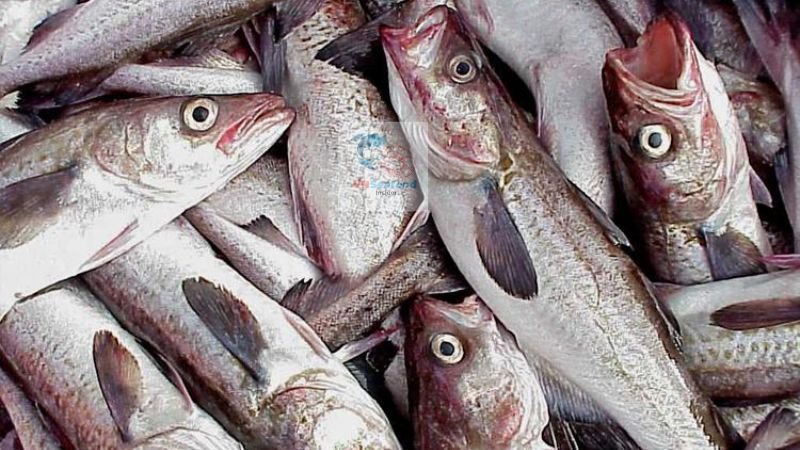
When your go-to protein suddenly costs 15–25% more, that’s not a blip. That’s a signal. And right now, the pollock price increase 2026 is screaming at importers to diversify. Sticking with a single-source strategy in this market is like sailing into a storm without a life jacket. VNSeafoodInsider strongly recommends you start exploring affordable whitefish substitutes before the next price shock hits.
Record Pollock Price Hikes: Russian H&G at $1,865 USD/Ton
If numbers tell stories, this one reads like a thriller.
Okhotsk Sea Production Down 13% to 153,000 Tons in Early 2026
Russian Alaska pollock harvested from the Okhotsk Sea has hit a staggering $1,865 USD per ton for headed-and-gutted (H&G) product. That’s the highest price since 2008. Yes, you read that right — we’re talking financial-crisis-era pricing for a fish that’s supposed to be the “affordable” option.
During the first two months of 2026, Russia’s pollock H&G output reached approximately 153,000 tonnes, a painful 13% decline compared to the same period last year. Less fish, higher prices. The classic squeeze.
European Buyers Shift from Costly Cod and Haddock
Here’s where it gets interesting. European importers originally turned to pollock because cod and haddock prices had already become eye-watering. Now pollock is following the same upward trajectory. It’s a domino effect, and every domino is more expensive than the last.
This cascading price pressure across all major wild-caught white fish species is precisely why white fish alternatives 2026 from aquaculture have moved from “nice to consider” to “absolutely essential.”
Shrinking Quotas Fuel Demand for White Fish Alternatives 2026
The supply problem isn’t just cyclical. It’s structural. And the science backs that up.
ICES Journal Reveals European Hake Stock Declines
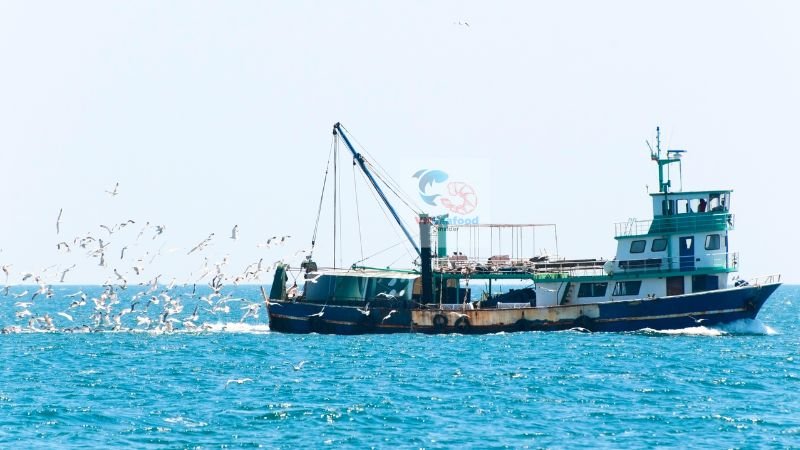
Recent genomic studies published in the ICES Journal of Marine Science paint a sobering picture. Atlantic and Mediterranean European hake populations are experiencing long-term declines. In the Mediterranean specifically, overfishing continues to hammer stocks that were already struggling.
Long-Term Genetic Diversity Loss in Atlantic/Mediterranean
Beyond just population numbers, researchers found reduced genetic diversity in these species. Think of it this way: the fish aren’t just fewer — they’re less resilient. Recovery, if it happens at all, will take decades, not years. For importers, waiting for wild stocks to bounce back is not a viable business strategy. The declining wild fish quotas are here to stay.
Vietnam’s Farmed White Fish Alternatives 2026 Take Center Stage
So where do you turn when the ocean can’t keep up? You turn to the farms. And Vietnam has been quietly building one of the world’s most impressive farmed whitefish industries.
Pangasius Dominates as Affordable White Fish Leader
Vietnamese pangasius is the undisputed champion of farmed white fish. With decades of export experience, established supply chains, and massive production capacity, pangasius offers exactly what the market needs: reliable volume at competitive prices. It’s the workhorse of white fish alternatives 2026, and for good reason.
Tilapia’s Rapid Rise in Export Markets
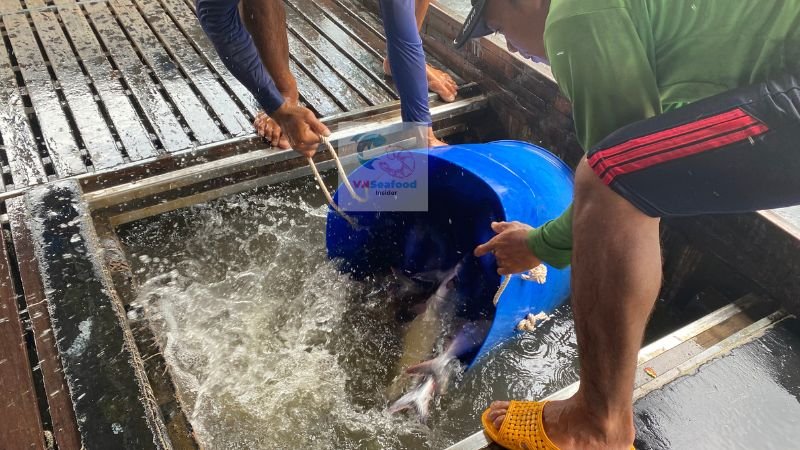
Don’t sleep on vietnam tilapia. Vietnam’s tilapia production is emerging as a serious player in global markets. With a clean, mild flavor profile and excellent processing yield, it’s carving out its own niche alongside pangasius. Think of tilapia as the rising star you want in your portfolio before everyone else catches on.
Barramundi Offers Premium White Meat Option
For buyers serving higher-end channels, Vietnamese barramundi delivers a premium white meat option that competes head-to-head with wild-caught species. It’s the kind of fish that looks beautiful on a restaurant plate and commands strong retail margins.
Competitive Edges of Vietnam White Fish Alternatives 2026
Vietnam doesn’t just offer alternatives. It offers better alternatives. Here’s why.
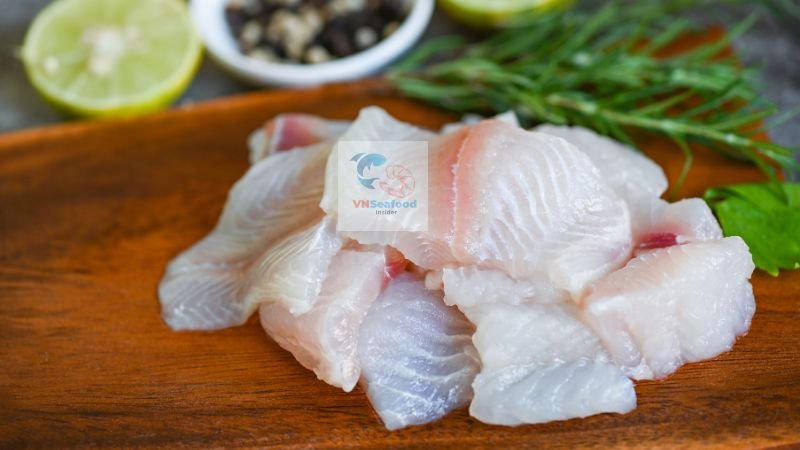
Firm White Meat Color Matches Wild-Caught Quality
One of the biggest objections importers raise about farmed fish is appearance. VNSeafoodInsider hears it all the time: “Will it look as good as wild-caught?” The answer, with Vietnamese white fish, is a confident yes. The white meat color from pangasius, tilapia, and barramundi is clean, bright, and visually comparable to premium wild species. Your customers won’t be disappointed.
Proven Processing Expertise Spans Decades
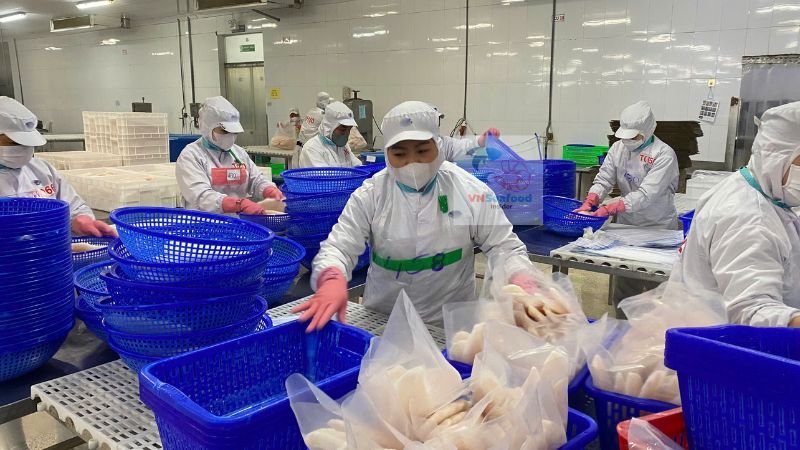
Vietnam’s seafood processing sector didn’t pop up overnight. We’re talking about decades of accumulated expertise — from filleting and freezing to value-added products and custom specifications. These factories know what European, American, and Japanese buyers expect, and they deliver consistently. That kind of seafood processing experience is hard to replicate.
Lower Costs Beat Global Wild Fish Prices
Let’s talk money, because that’s ultimately what keeps your business alive. Vietnam’s production costs remain highly competitive compared to other farming nations and dramatically lower than wild-caught alternatives. When pollock H&G is sitting at $1,865/ton and climbing, the cost advantage of Vietnamese farmed fish isn’t just attractive — it’s transformative for your bottom line.
See more: Vietnam Seafood Export 2026: Early Recovery Signs and Ongoing Challenges in Q1
Breakthrough: Sushi-Grade Pangasius from Vietnamese Farms
Now, this is the part that might genuinely surprise you. Pangasius in sushi? Absolutely.
Farm-Level Controls Eliminate Mud and Algae Taints
The biggest barrier freshwater fish faces in premium applications is off-flavor — that muddy, earthy taste that makes chefs cringe. Vietnamese producers have cracked this problem. Through rigorous farm-level quality controls, they’ve eliminated mud and algae taints right at the source. This isn’t about masking flavors during processing. It’s about preventing them from ever developing.
Achieving Sushi/Sashimi Sensory Excellence
According to industry insiders, pangasius destined for sushi cannot simply meet standard export specifications. It must pass far stricter sensory benchmarks. The fish used for sushi-grade pangasius undergoes controlled farming protocols specifically designed to produce flesh that satisfies the most demanding palates — the kind that evaluate every subtle note of texture and taste.
Vietnam White Fish Rivals World’s Premium Species
Here’s the mic-drop moment. Vietnamese pangasius is now being served as sushi in Japanese restaurant chains. Let that statement settle. A farmed freshwater fish from the Mekong Delta, sitting on the same sushi counter as tuna and salmon. This proves, beyond any debate, that white fish alternatives 2026 from Vietnam can stand shoulder-to-shoulder with the world’s most prestigious seafood species.
2026 Outlook: Secure Your White Fish Alternatives Supply
The trajectory is clear, and the window for smart positioning is now.
Forecasted Growth in Farmed Vietnamese Exports
Industry forecasts project Vietnam pangasius exports to reach approximately $2.3 billion USD in 2026, up from $2.2 billion in 2025. That growth reflects rising global confidence in Vietnamese farmed fish as a mainstream protein source, not just a budget fallback. The market is voting with its wallet.
Benefits for Seafood Importers and Distributors
For you — whether you’re an importer, distributor, or food service buyer — the benefits are tangible. Stable supply. Predictable pricing. Consistent quality. Multiple species options across different price tiers. And perhaps most importantly, the peace of mind that comes from knowing your whitefish supply chain won’t collapse because of a bad fishing season or a sudden quota cut.
See more: Top 5 exotic vietnam white fish that the importers should consider
Source Vietnam White Fish Alternatives 2026
VNSeafoodInsider will leave you with this thought. The whitefish world has changed. Wild stocks are declining, prices are surging, and quotas are tightening. These aren’t temporary headaches — they’re the new reality.
White fish alternatives 2026 from Vietnam offer a proven, scalable, and cost-effective path forward. Whether you need high-volume pangasius for everyday retail, emerging tilapia for diversified portfolios, or premium barramundi for upscale channels, Vietnam delivers.
The importers who act now will lock in supply and pricing advantages. The ones who wait? Well, they’ll be checking pollock prices again next quarter and wishing they’d moved sooner.
